


January 6, 2026, 1:25 pm | Read time: 5 minutes
In which European cities do people feel particularly unsafe? Where is the greatest fear of being mugged? And where do residents reluctantly leave their homes at night? The operators of the “Numbeo” database explore all these questions in a large survey and regularly create a Crime Index that depicts the most dangerous cities in Europe. Here’s an overview of the ranking.
Numbeo, a global database based on user information, has published the Crime Index 2026. For this, people are continuously surveyed about their personal sense of security. The ranking is created based on several criteria and relies solely on the subjective perceptions of the survey participants. Therefore, the results should be viewed with caution—more on that below.
For example, Numbeo asked about concerns regarding muggings and burglaries, as well as drug problems in the respective city. They also inquired whether people fear being physically attacked because of their skin color, ethnic origin, gender, or religion. According to their own statements, only those cities with enough survey participants are included in the ranking.
In the global ranking, the index revealed that Pietermaritzburg in South Africa is the most dangerous city worldwide. The calculated crime index there is 82.8, higher than anywhere else. But what about Europe? Which cities are perceived as particularly dangerous here? TRAVELBOOK presents the ten most dangerous cities in Europe according to Numbeo’s ranking.
Overview
The Most Dangerous Cities in Europe According to the Crime Index
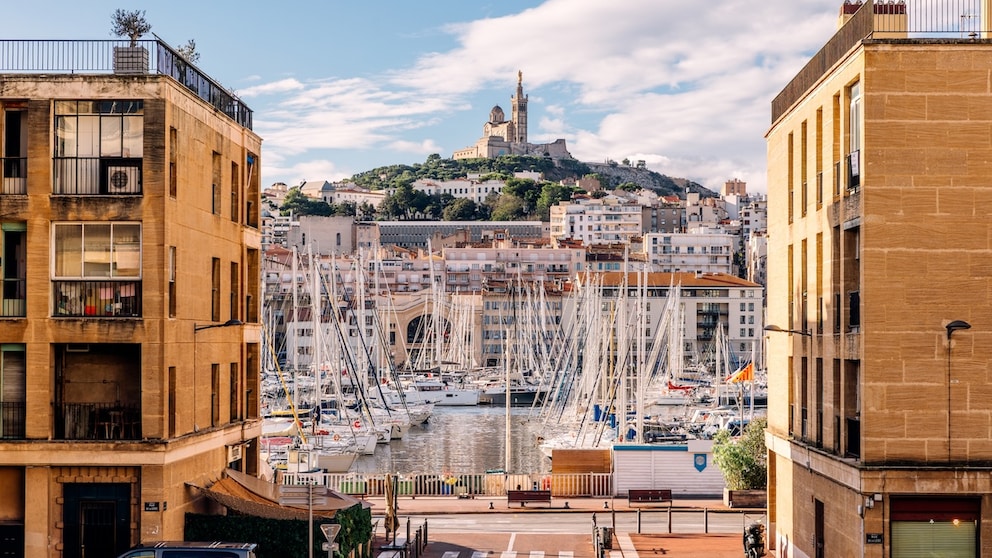
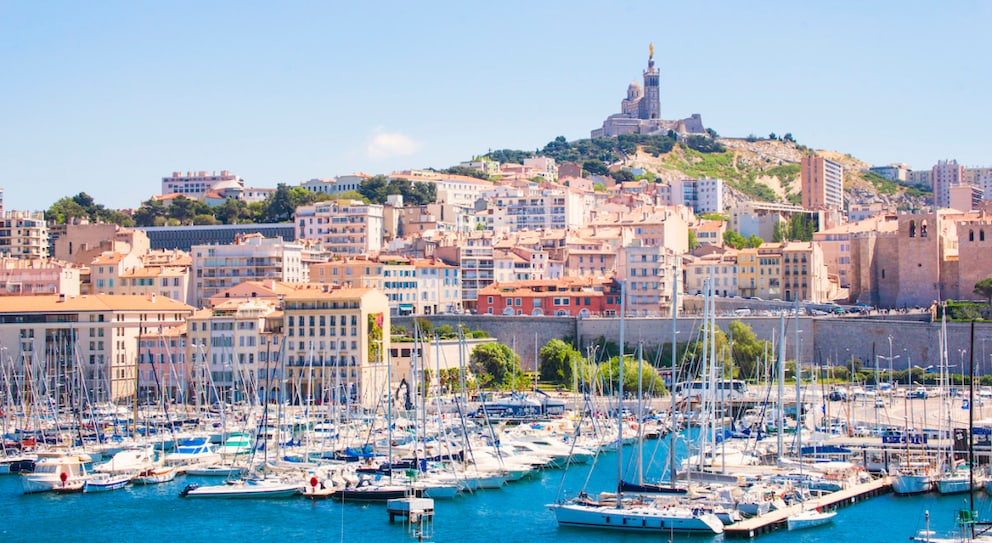
In Numbeo’s 2026 report, the southern French port city of Marseille once again topped the list of the most dangerous cities in Europe. Marseille’s crime index is 66.7, which is considered high. Problems related to drug use and trafficking are particularly high, as are fears of vandalism and theft, violent crimes, corruption, and bribery. Many respondents also reported being reluctant to walk alone at night in Marseille. Even the sense of security during daytime walks through the city was rated only as “moderate.”
Numbeo’s survey results align with a report from “Spiegel Online,” which states that problems with drug trafficking and gang wars in Marseille are worsening. In 2023 alone, nearly 50 people lost their lives in drug-related incidents in France’s second-largest city, including several minors and bystanders.
England in 2nd and 3rd Place
The second most dangerous city in Europe after Marseille is Birmingham in England, according to Numbeo. The crime index in the country’s second-largest city after London is 63.8, just slightly below Marseille’s. The third spot in the infamous ranking also goes to the UK: Coventry reached an index of 62.7, indicating a high security risk as well. Overall, France and England are overrepresented in the top 10 most dangerous cities in Europe—France five times and England three times.
Further Results in the Numbeo Ranking
Two German metropolises also appear in the top 50 most dangerous cities in Europe: Bremen at 40th place and Hanover at 49th. Frankfurt am Main, which ranked 41st in the 2024 ranking and was then considered the most dangerous German city according to Numbeo, is outside the top 50 in the 2026 index at 54th place—and even fares slightly better than the German capital Berlin (53rd place).

This Is the Most Dangerous City in the World

The 20 European cities with the highest quality of life
Ranking: The 10 Most Dangerous Cities in Europe
- Marseille, France
- Birmingham, England
- Coventry, England
- Grenoble, France
- Naples, Italy
- Montpellier, France
- Lyon, France
- Bradford, England
- Nantes, France
- Liège, Belgium
Criticism of Numbeo’s Methodology
Numbeo’s data should be taken with caution. Globally, anyone can fill the database with information. Although Numbeo claims to filter surveys to prevent potential misuse, such as individuals entering large amounts of data that deviate from the average, the data overall is not verifiable.
Additionally, the question arises as to why the crime index does not also include official data on crime cases in the respective cities. Numbeo writes: “In some countries, governments collect detailed crime statistics based on the number of reported crimes per capita. While these statistics are often reliable for comparing crime rates between cities within the same country, they may be less suitable for cross-country comparisons.” In some countries, people may be more willing to report crimes than in others; some government institutions might alter or underreport crime data for political or social reasons, or official crime statistics might be incomplete or entirely absent in certain regions.