

June 30, 2026, 7:11 am | Read time: 4 minutes
In the Tyrrhenian Sea off the west coast of Italy lies a small island whose name is likely unknown to many. Palmarola, about six miles from the more prominent island of Ponza, is unique in every way. Here’s why.
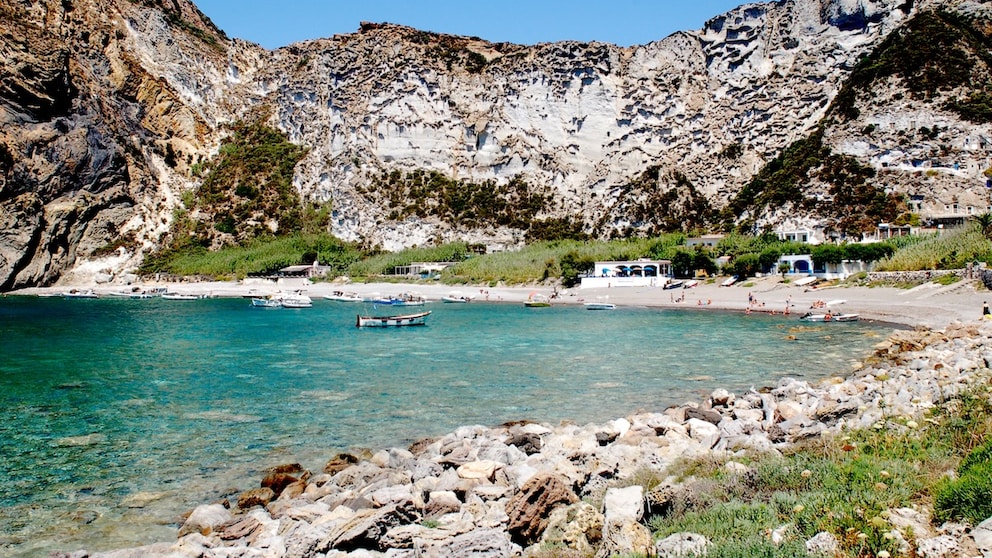
Crystal-clear water, a single small beach, palm trees, and nature: The 336-acre Palmarola resembles a paradise island. It is part of the Italian Pontine Islands archipelago, which also includes Ponza, Gavi, Ventotene, Zannone, and Santo Stefano.
The island owes its name, Palmarola, to the dwarf palms that grow there. Translated, it means “little palm.” The island itself is designated as a nature reserve and is only inhabited in the summer. There are no roads, no town, and no electricity. It is completely isolated—yet Palmarola is quite suitable for vacationers.
Only One Ferry Connection Daily
As mentioned, Palmarola is anything but a typical tourist island. There are a few houses and only one docking point, Cala del Porto. There is just one ferry connection, which departs once daily from the port of Ponza. Those who want to be flexible can try to persuade a fisherman to take them on their boat. With some luck and persuasion, it might work.
But these hurdles are worth overcoming. On the island, you can expect relaxation and seclusion thanks to the lack of a mobile network.
Ponza–This Italian Island Is Still a Hidden Gem!
11 of the Most Beautiful Beaches in Portugal’s Algarve
Island Without Electricity and Roads
Many tourists visit the island for just a day—but even though it lacks electricity and roads, you can vacation on Palmarola. The island’s only restaurant, open from June to October, also offers rooms. These are built into old fishermen’s caves along the cliffs and provide a perfect view of the sea. There are only three rooms available, costing about 120 euros per night.
The associated O’Francese Restaurant is named after the first owner, who built the house from old shipwreck planks. An Italian who lived in France for more than three decades before eventually returning to his homeland.
At one point, a couple who vacationed on Palmarola and occasionally helped out at the restaurant took over the business. It now belongs to the couple’s daughter. The restaurant serves freshly caught fish and spaghetti daily. Guests staying in one of the rooms can add half or full board and enjoy culinary delights. Additionally, the owners provide sun loungers, umbrellas, and canoes.

With the latter, you can explore the island from the water. You can not only gaze at the turquoise water, snorkel, or swim, but you should also take a look at the cliffs. Even today, black veins of pitch-black volcanic obsidian run through the walls. As reported by “CNN,” cave dwellers used the rock to make weapons, knives, or axes. The landscape has hardly changed since then.
If you feel the urge to check your phone while at sea, it’s best done from the water—there’s a better chance of getting a mobile signal there than on the island.
To vacation on Palmarola, some preparation is necessary. The restaurant owners point out that a stay requires special arrangements to ensure a wonderful time. There are no shops, supermarkets, or other shopping opportunities. If you need something essential, you must bring it with you.
The Long History of Palmarola
Palmarola has a long history. The Romans once used the island as a strategic observation post for their fleet. From the 18th century, it passed into the hands of Neapolitan families who divided it among themselves.
Every year in June, fishermen from Ponza visit a small chapel on a nearby rock. It is dedicated to Saint Silverius, a pope from the 6th century. According to legend, he was banished to Palmarola and died there. The fishermen bring flowers, pray, and meditate.