

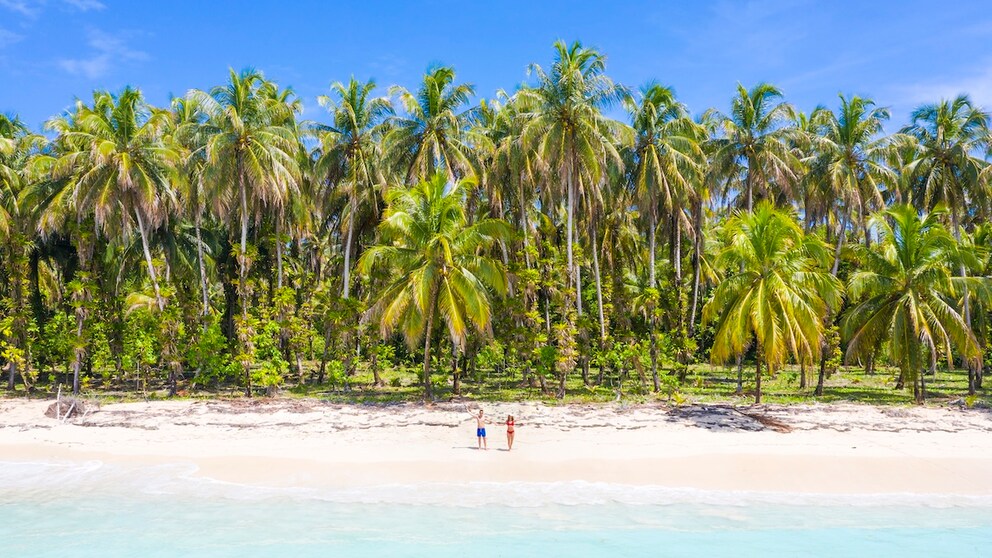
March 21, 2026, 12:39 pm | Read time: 9 minutes
Dream beaches, dense jungles, and exotic wildlife: Central America is at the top of the bucket list for many. But as idyllic as the region seems, traveling there comes with challenges that are often underestimated. Between language barriers, spontaneous travel changes, and cultural differences, I quickly realized: Not everything goes as one might know from Europe or other travel destinations.
TRAVELBOOK provides an overview of typical mistakes to avoid, what travelers should be prepared for, and which insights are truly helpful in advance.
1. Without Spanish, (almost) nothing works
This probably shows my naivety as a traveler raised in the West: I was surprised at how consistently Spanish is spoken in Central America. Especially in rural areas, but also in less touristy parts of big cities, English is often not understood at all. Communication often involved gestures or translator apps. Language learning apps like Duolingo helped me on the go to at least master the basics, such as ordering a “café con leche” in a restaurant. However, it’s even better to brush up on some basic knowledge before the trip.
In fact, Spanish is the predominant official language in most Central American countries. This dates back to the colonial period in the 15th and 16th centuries when the Spanish conquered large parts of the region and spread their language. Besides Spanish, numerous indigenous languages are still spoken today. At the same time, you quickly notice how lively and modern the language is locally. Typical expressions or slang are easy to pick up and adopt. “Pura Vida” from Costa Rica particularly stuck with me. It’s an expression that not only stands for a relaxed lifestyle but can also mean “hello,” “goodbye,” or simply “all good.”
2. Be open to new eating habits
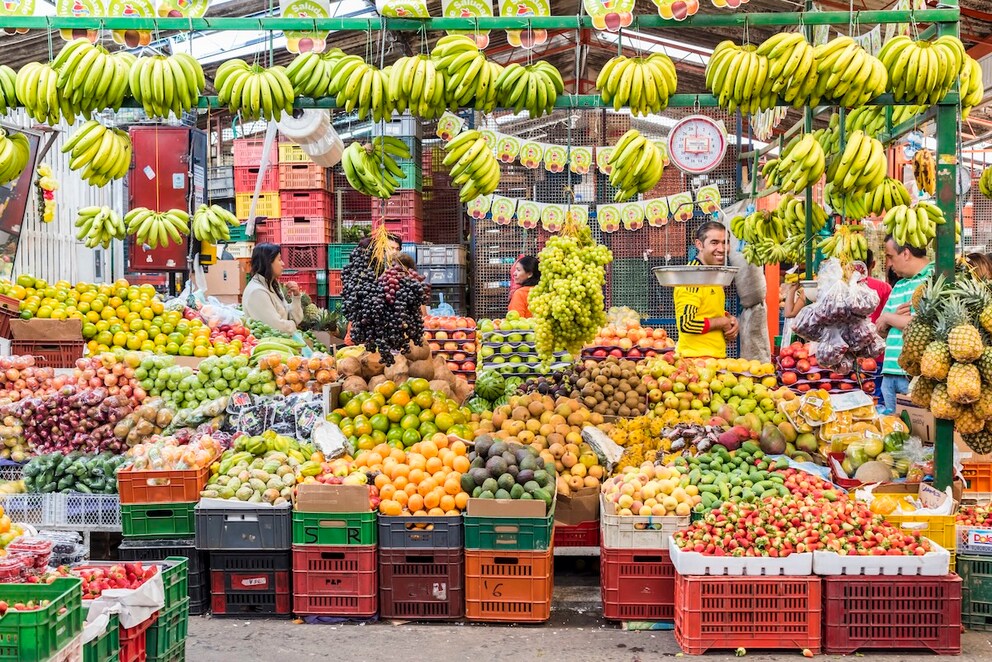
In Europe, many conventional products from the U.S. are not available due to stricter food regulations. So I was surprised to suddenly recognize familiar brands from the United States in supermarkets in Central America. Cornflakes, sweets, or processed cheese were mostly imported, packaged, and significantly more expensive. Local foods were often limited to fresh fruits, vegetables, and meat. Cheese, as we know it from Europe, was hardly found, at least not in ordinary supermarkets.
I quickly realized: The expectation of eating like at home doesn’t work here. Eating habits, bread culture, or barbecues are quite different. Instead, it’s worth embracing the local cuisine. Especially fruit is often incredibly fresh and flavorful. My personal favorite discovery: passion fruits, which I could try ripe directly from the tree for the first time.
3. How spectacular nature really is
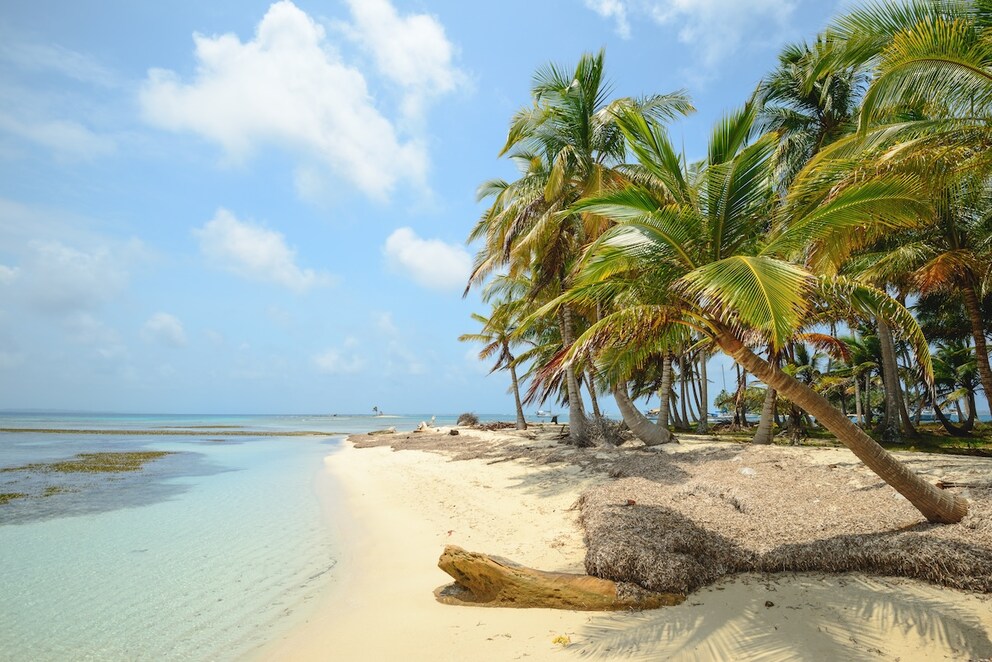
Even if it sounds almost cliché: The nature in Central America is indeed as impressive as seen in documentaries, travel guides, or social media. Turquoise waters and bright sandy beaches seem almost surreal in person. Images familiar to many unfold a unique effect in reality. I noticed: The intense colors and contrasts are not filters but part of the landscape.
Additionally, there is an extraordinary diversity of species. Depending on the region, the Caribbean or the Pacific Ocean shapes not only the coasts but also life on land. While the Caribbean often appears calmer and more tropical, the Pacific side is wilder and more pristine.
Particularly impressive for me were the underwater encounters: While snorkeling, you might even spot sharks with a bit of luck. Usually smaller, harmless species and at a safe distance. Such experiences are quite common in many regions.
To best experience the local nature, good preparation is worthwhile. Depending on the region and season, the chances of seeing certain animals vary. For example, monkeys in the jungle, large flocks of birds in the sky, or whales along the coasts. Those who inform themselves in advance can plan their trip more specifically and experience it more intensely.
Also interesting: 9 reasons why you must visit Panama
4. How moving a coffee plantation tour can be
Germans drink 162 liters of coffee per person per year, according to the Tagesschau for 2025. Whether right after waking up, at the office, or in the afternoon with friends, coffee is a staple for many. It’s all the more surprising how rarely we consider where the beans for our favorite drink actually come from.
Coffee thrives mainly in tropical regions around the equator, including Central America. Especially in higher altitudes, such as around former volcanoes, the climate and soil offer ideal conditions for growing coffee cherries. Accordingly, many places offer coffee plantation tours. But like coffee itself, there are qualitative differences in the tours. While some plantation visits remain superficial and focus on theoretical knowledge, I experienced a tour that went much deeper. There, not only were cultivation processes explained, but also the social conditions and cultural significance of coffee cultivation for many locals were discussed.
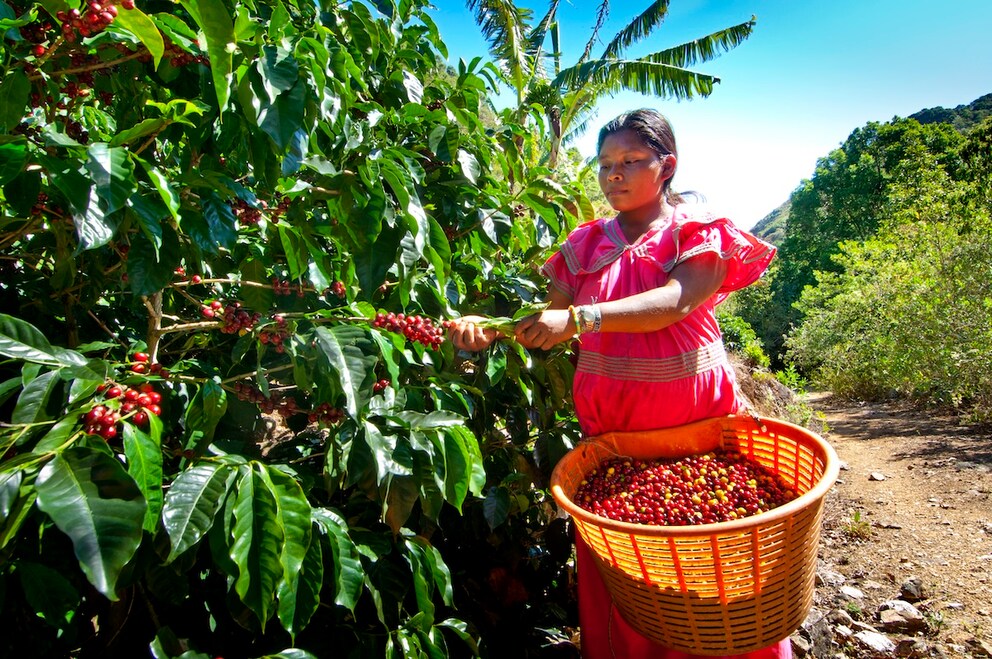
According to Tagesschau, about one in five coffee packages carries an organic or Fairtrade seal. After my visit to the plantation, my purchasing decisions became much easier and more conscious.
Also interesting: 7 of the most beautiful beaches in Costa Rica
5. That there is virtually no rail service
In Central America, travel is almost exclusively by bus, with rail connections playing little role in daily life. Often, only a central highway runs through the country, carrying most of the traffic. Accordingly, buses are the main mode of transportation, whether for short distances or longer journeys. Trips are often organized spontaneously, with fixed booking systems being the exception.
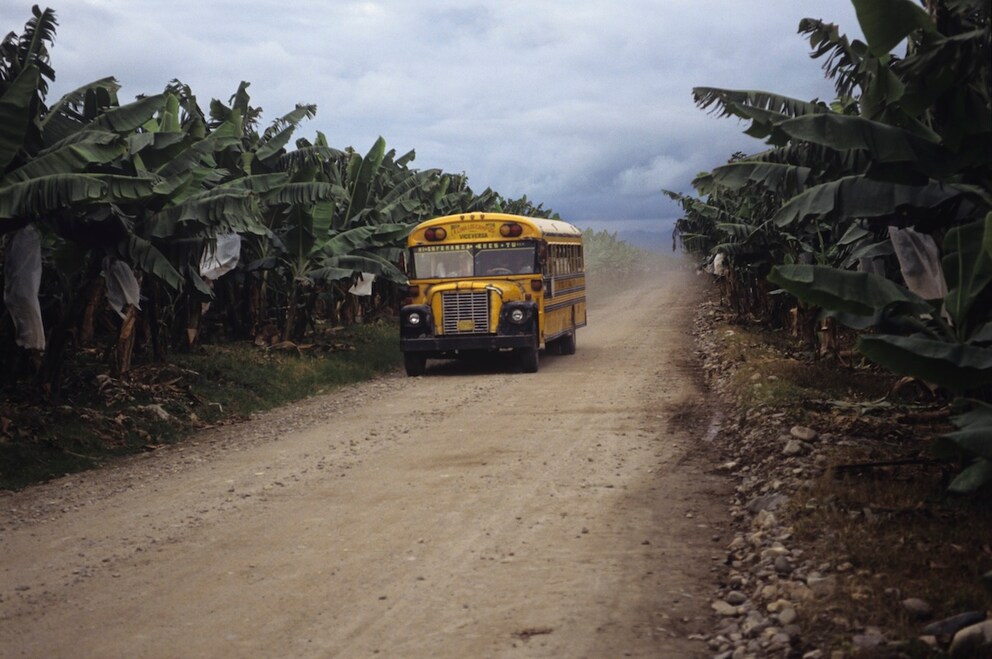
This can be unfamiliar for travelers from other regions. While in parts of Asia, trains, buses, and cheap domestic flights can be easily combined, traveling in Central America requires flexibility and sometimes a bit of patience. There are fixed bus stops in larger towns, but waiting times of an hour or more are not uncommon. I also found the prices difficult to decipher, but they weren’t expensive. Especially in the small buses, where overland trips of up to three hours are possible, you often pay only a few dollars. Not only were the costs somewhat opaque, but finding the bus stops was sometimes a challenge. It’s all the more helpful to speak directly to locals. People are usually very open and happy to help with questions about onward travel.
6. Don’t rely too much on online reviews
It’s actually obvious, but still often underestimated: Locals know their country best. Whether it’s a restaurant, bar, or the next market for fresh fruit, it’s worth stepping out of your comfort zone and asking locals directly for recommendations.
Of course, helpful tips can also be found in internet forums or traditional travel guides. However, especially in less touristy regions, it’s noticeable that much information quickly becomes outdated. Reviews can be misleading, for example, if places have changed but old reviews remain online. Looking back, I would have missed some of my best experiences if I had relied solely on recommendations from past travelers.
7. Who else you might meet…
Speaking of other travelers: Anyone who travels a lot or has been on a backpacking tour will have noticed how many Germans you meet along the way. Whether in a hostel, on a bus, or on a boat for snorkeling, the familiar sounds of your own language are often closer than you think.
This can certainly have advantages: Those traveling alone often quickly find connections and can easily join groups. Recommendations from people with similar habits or expectations can also be helpful. At the same time, there is the risk of staying too much in your own “bubble” and thus having less contact with the local culture and people.

Why Learning Languages Changes the Way We Travel

9 Things You Should Never Do in Colombia
8. Stay flexible with accommodations
This point is mainly for backpackers who travel from place to place with little luggage but many expectations. Central America is particularly well-suited for this, not least because there is so much to discover that a multi-week stay in a single location quickly seems wasted.
A typical mistake I made at the beginning: planning the entire trip from home and booking all accommodations in advance. On-site, however, spontaneous changes often occur. You discover places where you want to stay longer, meet other travelers and join them, or the weather disrupts your original plans.
A rough travel route is sensible, but flexibility is worthwhile for accommodations. Especially in the off-season, stays can usually be extended without problems. Shortening them, on the other hand, often involves additional costs. Therefore, it’s advisable to choose accommodations spontaneously and based on recommendations on-site.
Hostels with dormitories are widespread and offer a cheap alternative to private accommodations. However, those traveling alone–especially women–should pay attention to a certain level of privacy, such as single rooms or “women-only” dorms. This not only provides more comfort but also a better sense of security.
9. The right travel pharmacy is essential
Nothing is more disruptive on vacation than health issues. Whether it’s sunburn despite sunscreen, an inflamed mosquito bite, or an unexpected stomach upset. All of this can cost valuable travel days. I’ve experienced it all myself: Minor ailments can quickly disrupt the entire day’s plan. It’s all the more important to be prepared.
A well-stocked travel pharmacy should definitely be in your luggage. This includes remedies for gastrointestinal issues like charcoal tablets or electrolytes, as well as disinfectants, band-aids, and sunscreen. Especially in tropical regions, skin problems or infections can occur faster than you think. My travel companion was even surprised by “jungle rot” because her hands were always a bit damp for weeks. You should always be prepared for anything.
At the same time, it’s worth buying certain products locally. This is especially true for insect repellents: While products from Europe are often tailored to local insects, local products are usually much more effective against the mosquitoes there. When in doubt, it’s better to restock locally rather than relying solely on what you brought.