

February 9, 2026, 1:17 pm | Read time: 3 minutes
In light of increasing tourist misconduct and residents’ concerns, the annual Cherry Blossom Festival at Arakurayama Sengen Park in Japan will not take place this year. The details.
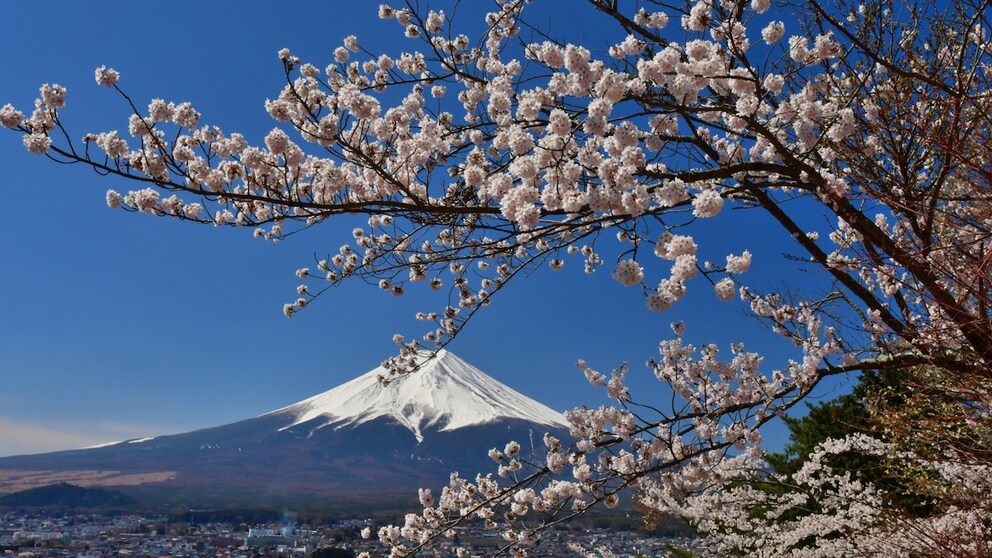
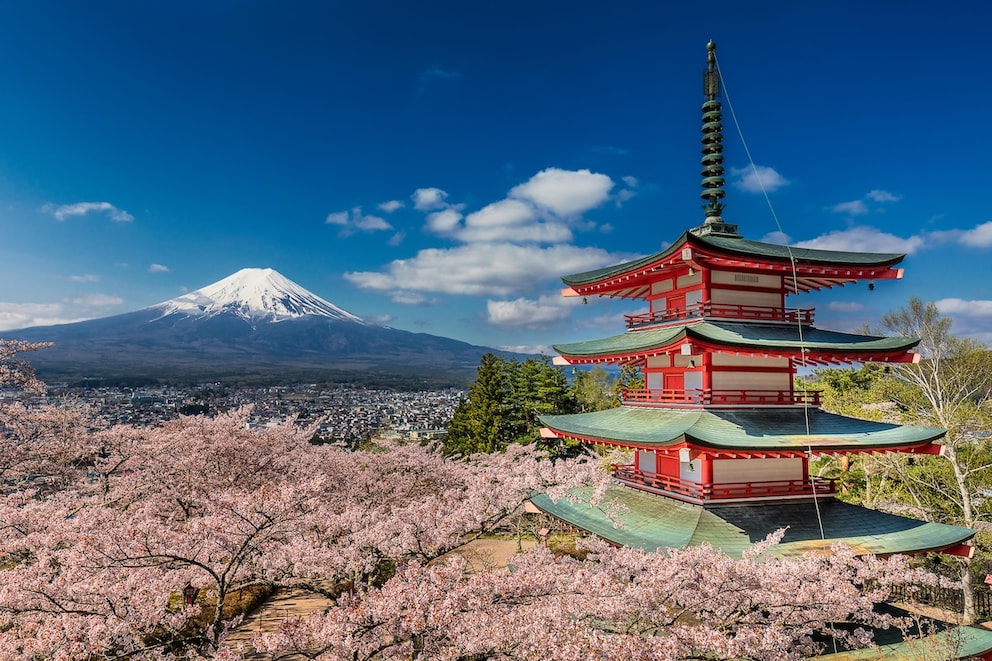
You have likely seen the picturesque image of cotton candy pink cherry blossoms against the snow-capped Mount Fuji many times. Social media is full of them. Many travel lists include an entry for the cherry blossom or the Cherry Blossom Festival at Arakurayama Sengen Park. Coupled with the weak yen, many tourists are expected to flock to the city of Fujiyoshida in Yamanashi Prefecture and its surroundings during the spring. Too many, as feared by the authorities of the city of about 50,000 residents, who made a drastic decision in early February: The traditional Cherry Blossom Festival is canceled this year despite the crowds. Or perhaps because of them.
Overview
3 Hours Wait for a Photo
The Cherry Blossom Festival at Arakurayama Sengen Park near the world-famous Mount Fuji has been held regularly for ten years and is organized by the Fujiyoshida city administration. On average, 200,000 visitors participate annually in this Japanese spring tradition in the central east of the country.
The park’s observation deck is a particularly popular destination during cherry blossom season. From there, you can take the coveted photo of Mount Fuji in the background of the delicate pink blossoms and the Chureito Pagoda. You’ve surely seen it before, as countless such images circulate on social media. This year, visitors traveling to Fujiyoshida during the blossom season should expect a three-hour wait, writes “Euronews.”

When Mount Fuji Is Visible–and When It’s Not

4 Tips to Experience Dubrovnik (Almost) Without the Crowds
Feces, Trash, and Pushed Children
Given the increasing number of tourists in Japan, the sheer volume of visitors is a major concern for the Fujiyoshida city administration, which is simply overwhelmed. However, the behavior of those who come seems to be an even greater concern. The Singaporean daily “The Straits Times” reports that the event’s popularity has led to undesirable behaviors “associated with the downsides of overtourism” that affect residents’ quality of life.
In the past, tourists have entered residents’ homes to use their toilets. Others have even relieved themselves directly in private gardens–and we’re not talking about a quick stop. There is also pollution from discarded cigarette butts on private property and other trash. Concerned parents have also complained that their children have been pushed off sidewalks near schools by uncontrolled crowds, the newspaper reports, citing statements from the city administration.
“For the city of Fujiyoshida, Mount Fuji is not just a tourist attraction; it is our livelihood. However, I feel a deep concern about the reality that behind the beautiful landscape, the peaceful life and dignity of our residents are threatened,” “The Straits Times” quotes Fujiyoshida Mayor Shigeru Horiuchi. At the same time, his long-term goal is “to transform Fujiyoshida into a sustainable tourism city that residents can be proud of and where they can coexist with tourists,” the newspaper writes.
Visitors Asked to Behave Appropriately
By canceling the Cherry Blossom Festival, the aim is to curb tourist numbers and protect residents. However, authorities still expect a large influx despite the cancellation. Therefore, additional security measures and mobile toilets are planned during the blossom season. The city administration also asks visitors to use public transportation instead of personal vehicles and to stay away from residential areas. Additionally, visitors should not take unauthorized photos. Using toilets for their needs instead of private gardens should be a given.