

October 19, 2025, 6:17 am | Read time: 3 minutes
Numerous shipwrecks from various centuries lie on the ocean floors, and they have always fascinated people. The film “Titanic” drew millions to theaters, divers embark on deep-sea adventures to search for shipwrecks, and museums, beaches, and dive spots around sunken ships are major attractions. The “Titanic” may be the most famous wreck, but it is far from the deepest.
There are several well-known shipwrecks that deeply fascinate us. In Belfast, for example, there is a museum dedicated to the “Titanic.” Similarly, the Vasa Museum in Stockholm, where the sunken and recovered ship “Vasa” is displayed, is a popular tourist attraction. On the Greek island of Zakynthos, the famous Smuggler’s Cove at Navagio Beach, with its shipwreck, is teeming with onlookers. While sunken ships near shores and in shallow waters are easy to spot, countless wrecks in the ocean depths are hard to reach and difficult to find.
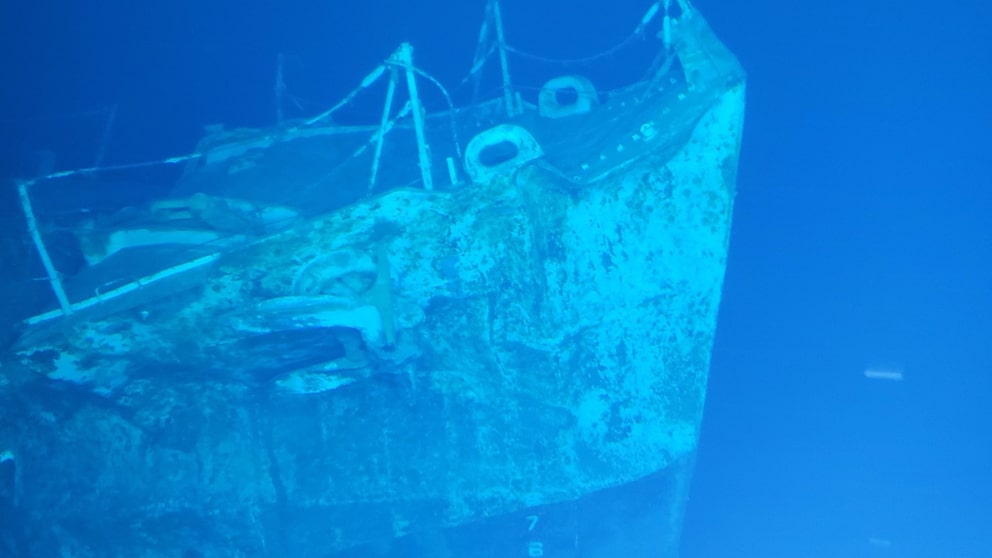
Recently, two discoveries of military shipwrecks made global headlines. In March 2021, U.S. investor and former Navy officer Victor Vescovo, with his company Caladan Oceanic, managed to capture images of the deepest shipwreck ever found, as reported by the company’s website. The “USS Johnston” lies at a depth of 6,460 meters in the Philippine Trench. Just under a year later, in June 2022, the research team found another ship in the same area at an even greater depth: the “USS Samuel B Roberts” lies 6,895 meters below the ocean surface, making it the deepest shipwreck ever found.
Discovery of the Sunken Warships
The “USS Samuel B Roberts,” also known as “Sammy B,” lies about 3,000 meters deeper than the “Titanic,” as WELT reports. Both the “USS Johnston” and the “USS Samuel B Roberts” are from the U.S. Navy fleet of World War II and were discovered off the Philippine island of Samar. Vescovo and his team at Caladan Oceanic use modern submarines and sonar technology to locate the ships and film them during their dives. The resulting images are impressive and can provide insights into the course of the battle based on visible damage.
Historical Background
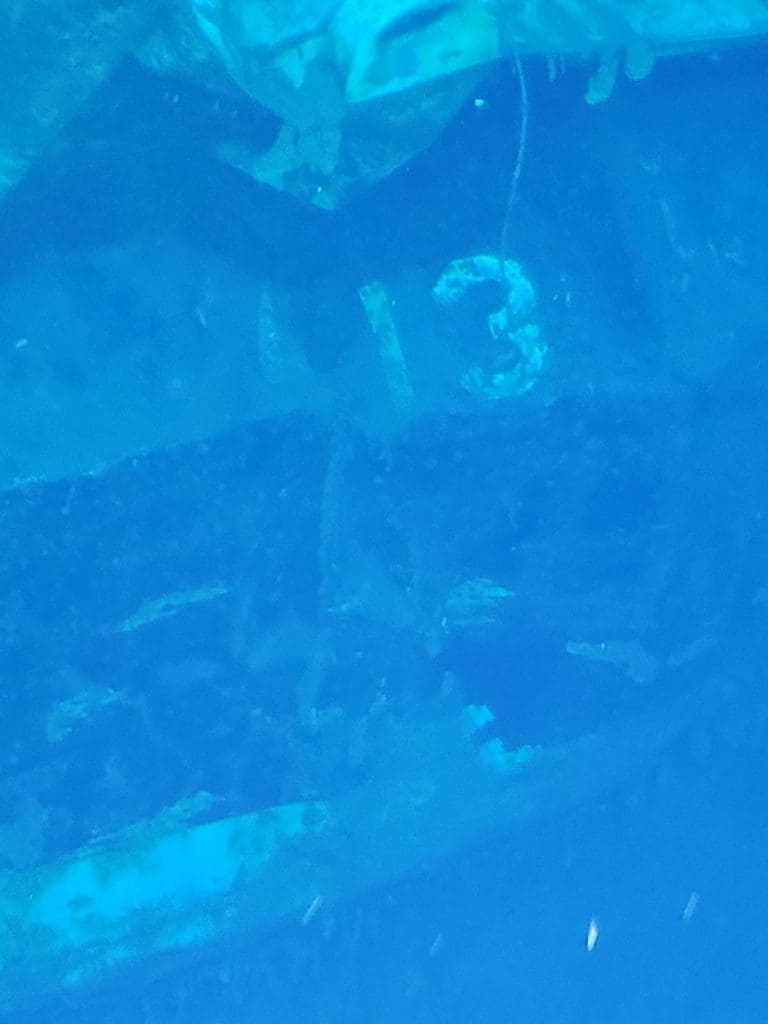
According to WELT, the two ships sank on October 25, 1944, in the Battle of Samar, which was part of the larger Battle of Leyte Gulf. The background was the Japanese occupation of the Philippines, which had previously been under American control. The U.S. forces aimed to reclaim the Philippines. During the three-day battle, more than 300 U.S. warships fought against about 70 ships of the Japanese fleet, according to the “BBC.” Both sides also had combat aircraft.
While the Americans were superior in the larger battle, the Japanese had more ships in the Battle of Samar, which were both larger and better equipped. Five of the 13 U.S. ships involved sank, including the “USS Johnston” and the “USS Samuel B Roberts.” Ultimately, the Americans won this naval battle.