

December 17, 2025, 1:59 pm | Read time: 2 minutes
Anyone planning to travel to Rome and see the famous Trevi Fountain up close will soon have to pay for the privilege. Like other tourist hotspots, the city of Rome is responding to the large influx of visitors by introducing a fee for the popular attraction. TRAVELBOOK reveals when it will take effect and what you need to know.
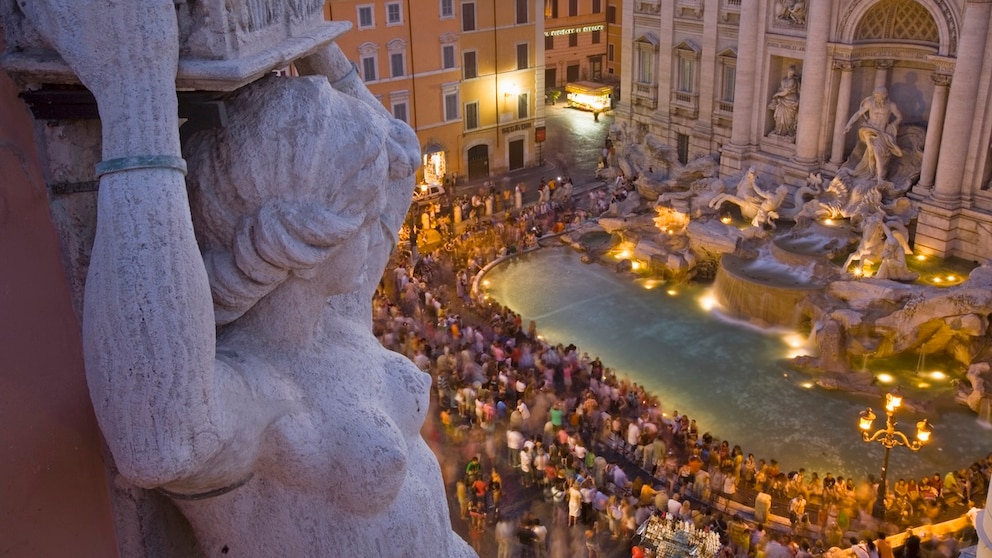
The Trevi Fountain (Fontana di Trevi) is located in the heart of Rome’s historic center and is considered one of the city’s most beautiful landmarks. Built from the same stone as the Colosseum, the fountain attracts crowds of tourists daily. A particularly popular tradition is to throw a coin into the fountain’s basin—the legend promises, among other things, a swift return to Rome if you toss a coin in. However, starting next year, those wishing to partake in this tradition will need to have their wallets ready.
Entrance Fee for Famous Fountain
Starting January 7, 2026, a two-euro entrance fee will be required to visit the Trevi Fountain. Last year, the city administration considered restrictions (TRAVELBOOK reported)—the crowded square around the monument was frequently criticized. A raised platform intended to better protect the fountain also sparked debate in the past. This year, the “holy year” of the Catholic Church, the city anticipated even more visitors and now feels compelled to act.
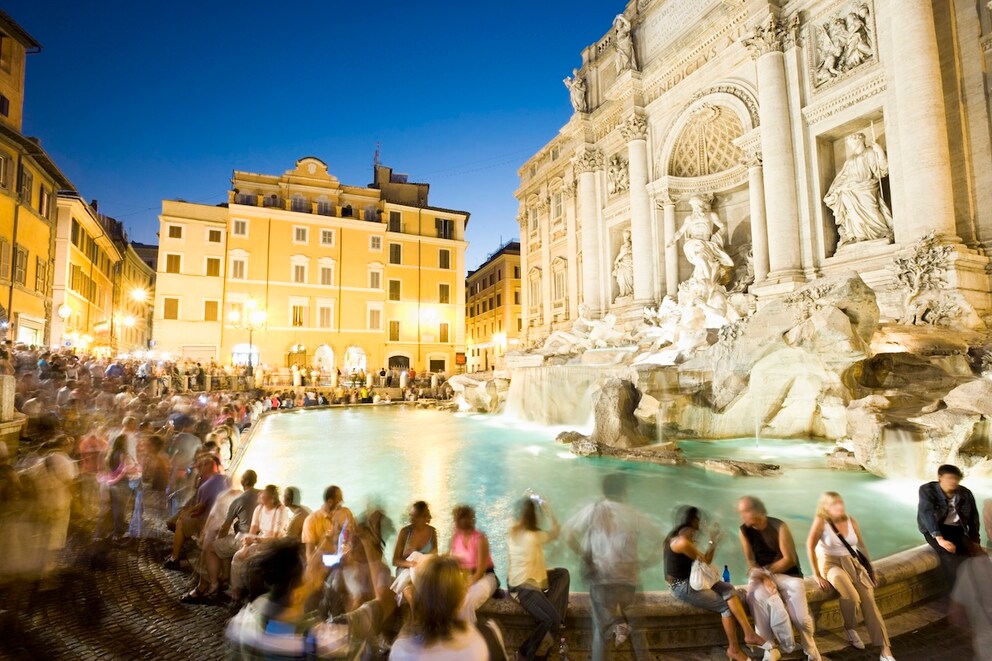
To control the crowds and protect the landmark, the first regulation was introduced in December: Since then, only a maximum of 400 people are allowed in the area in front of the fountain at any one time, as reported by the Italian daily “Corriere della Sera.” The start date for the new tourist fee is now set. Those wishing to view the fountain up close will have to pay—locals are exempt. Two separate entrances will manage the flow in the future.
Restrictions in Other Cities
It’s nothing new that popular tourist destinations are gradually implementing restrictions in response to the masses. Venice, for example, has been charging a fee for day visitors since 2024—by 2026, it will be required on 60 days between April and the end of July. The city has already collected 5.4 million euros from this. In Barcelona, Park Güell and the Sagrada Família are only accessible through timed entries. In Dubrovnik, there is also a cap on cruise ship tourists to ease the burden on the historic old town.