

June 8, 2026, 1:39 pm | Read time: 3 minutes
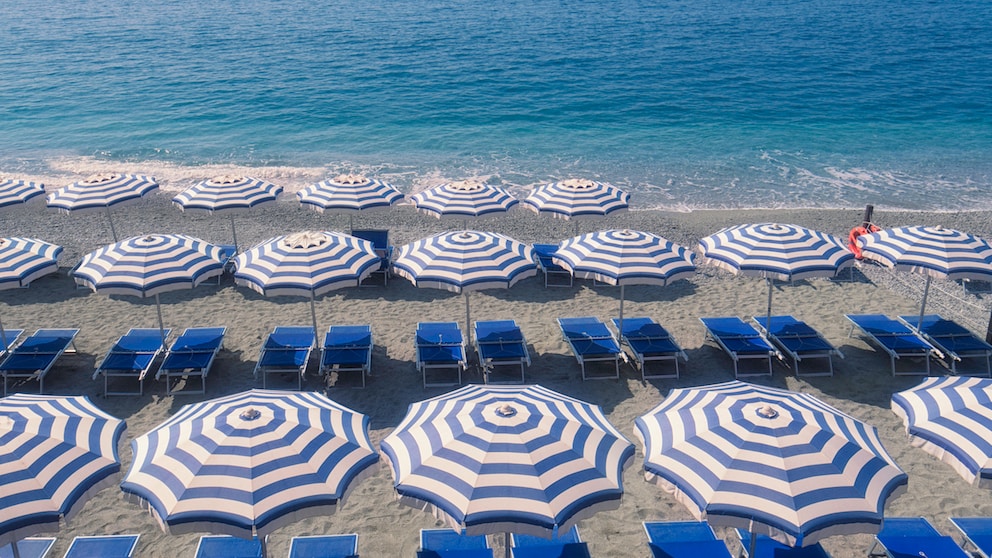
Anyone looking to rent a deck chair and umbrella on Italy’s beaches this summer will have to dig a little deeper into their pockets than last year. That’s according to an analysis whose results have been obtained by TRAVELBOOK.
Vacationers are expected to pay up to 16 percent more at Italy’s beaches this year. This is according to a statement from the country’s largest consumer protection organization, Altroconsumo. The Italian version of Stiftung Warentest explains that an average increase of 6 percent is expected. Compared to the last five years, this represents a price increase of about 24 percent.
For its analysis, Altroconsumo claims to have “compared the costs of beach resorts from north to south to find out where you can still travel to the sea affordably.” The study reportedly examined 222 beaches in ten locations. The company anonymously called to inquire about prices for the first week of August in Lignano, Rimini, Senigallia, Viareggio, Palinuro, Alassio, Gallipoli, Alghero, Taormina, Giardini Naxos, and Anzio.
Alassio Is the Most Expensive Beach Resort in 2026
On average, visitors to Italy’s beaches this summer will pay 238 euros for the first row of beach chairs. Those who settle for the second row will pay 229 euros in the first week of August, and a chair in the third row costs 219 euros. All others cost an average of 210 euros, according to the consumer protection organization. To clarify: We’re talking about a beach chair and an umbrella.
Those who indulge in renting a beach chair will spend the most in the Ligurian town of Alassio: “A beach spot with an umbrella and two chairs costs an average of 340 euros for a week,” writes Altroconsumo. If that seems excessive, you can save a good 200 euros elsewhere: “In Lignano, Rimini, and Senigallia, prices are significantly cheaper,” according to the company. There, you pay an average of less than 160 euros.
According to the survey, the most significant price increases for these items, which could easily be replaced by those bought or brought from elsewhere, occurred in Taormina and Giardini Naxos. Prices there rose by 16 percent, more than ever before. Significant increases were also noted in Alghero, with a 14 percent rise (274 euros per week), and Gallipoli, with a 10 percent rise (324 euros). Elsewhere, Altroconsumo found lighter increases of 2 and 7 percent.
Also interesting: The region in Italy with the most clean beaches
Free Beaches Are Becoming Scarce
In addition to the increasingly expensive paid beaches, there are still beaches in Italy where you can not only decide where and what you lie on but also do so for free. According to Altroconsumo, however, these are becoming fewer.
There are places where things are different: According to the consumer advocates, Spotorno has a tourism model where “the share of guaranteed free beaches for tourists has been increased.” “The free beach (…) must not be a peripheral area but must be a central area that is on par with the resorts,” Altroconsumo quotes the town’s mayor, Mattia Fiorini. To achieve this, the mayor says free services must be provided, such as cleaning, lifeguards, cold showers, and toilets. According to Fiorini, the money for these services comes from specially established kiosks “that generate their own revenue and can cover the costs of these services.”
Also interesting: 12 of the most beautiful beaches in Italy
And what do Italians themselves say about this? According to a survey by the consumer protection organization, they are divided: “37 percent of [Editor’s note: surveyed] Italians prefer a beach with amenities (with a beach bar or paid beach section), while 35 percent prefer a free beach with or without facilities,” writes Altroconsumo. The remaining respondents are open to both.