

November 28, 2026, 1:32 pm | Read time: 3 minutes
The Algerian city of Constantine has a long, eventful history. Today, it is known as the city of suspended bridges. TRAVELBOOK introduces this unique city in northern Africa.
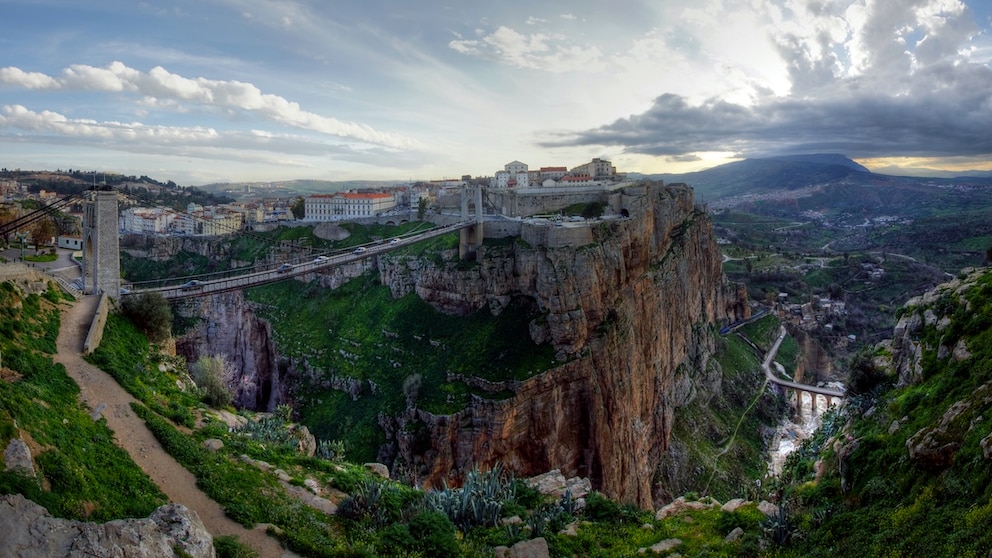
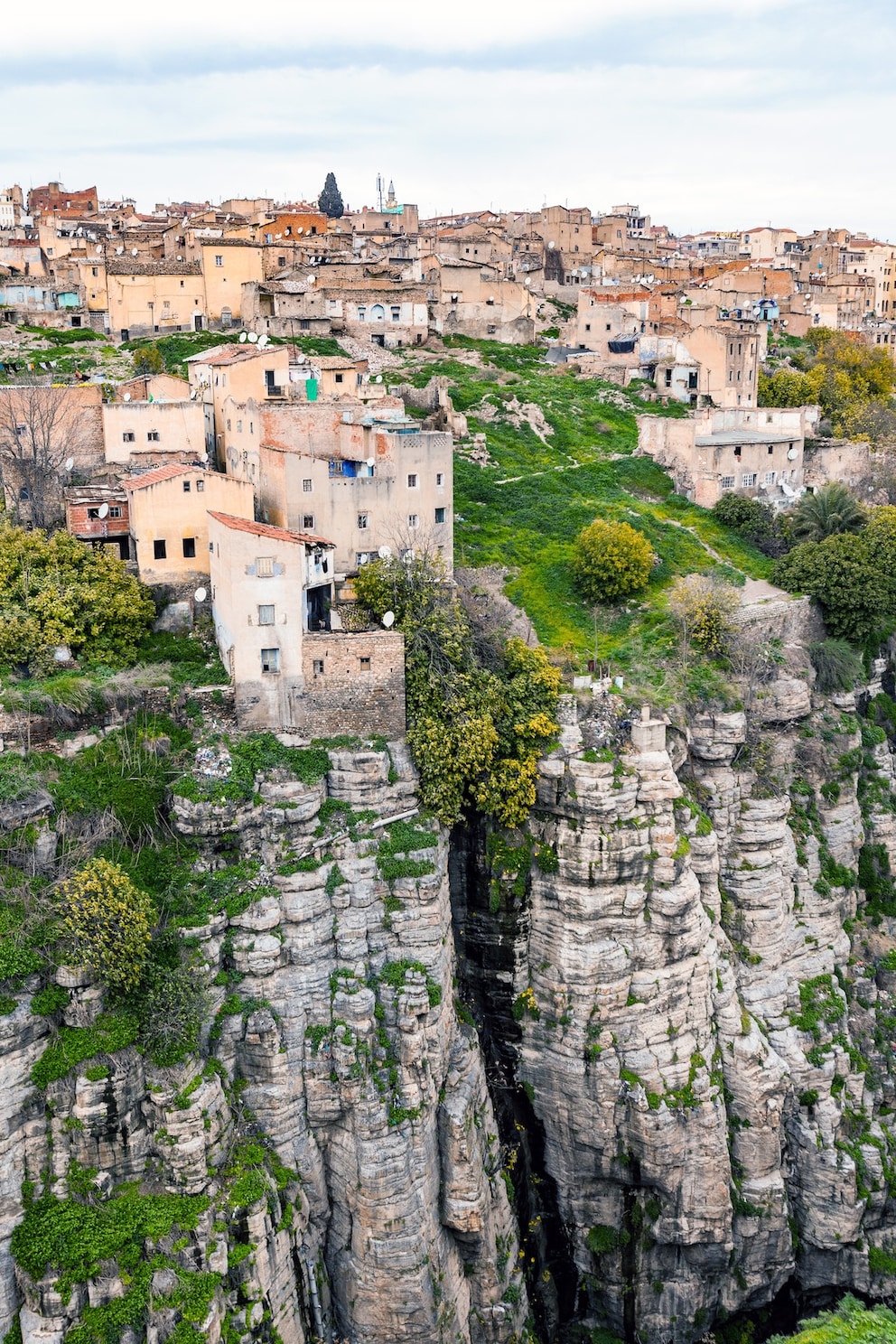
Several bridges lead into the old town of Constantine, Algeria’s third-largest city, at dizzying heights. It sits atop a diamond-shaped rock plateau, surrounded by a dramatic gorge, 650 meters above sea level. Its houses are built almost stacked on top of each other, right up to the edge of the plateau. The view from here must be stunning: it drops 150 to 300 meters down to the riverbed of the Rhumel Gorge. Not an easy feat for Constantinians and their visitors who are not free from vertigo.
The cliff walls of the gorge are between 4.5 and 365 meters apart, only overcome by the massive suspended bridges. Thus, the historic city in northeastern Algeria forms a natural fortress, as the encyclopedia Britannica writes. And this natural fortress has been attempted to be overcome by many powers over the millennia. Today, Constantine extends beyond the old town with various newer districts and suburbs over the surrounding hills.
Historic City of Constantine
The city’s history goes back a long way. At least to ancient Cirta, which was the capital of Numidia and, according to Britannica, “one of the most important cities in the region” in the 3rd century B.C. In the caves of the Rhumel Gorge, there are also traces of prehistoric settlement.
Early on, Cirta, which was renamed Constantine in 313 A.D. after Constantine the Great, was contested. At times, the city was under Roman, Arab, Ottoman, and French control. It was destroyed and rebuilt, conquered and lost again. Algeria only gained independence in 1962. Since 2004, UNESCO has protected the ancient city as an Algerian national monument.
Also interesting: These 7 cities are among the oldest in the world
Cultural Influences
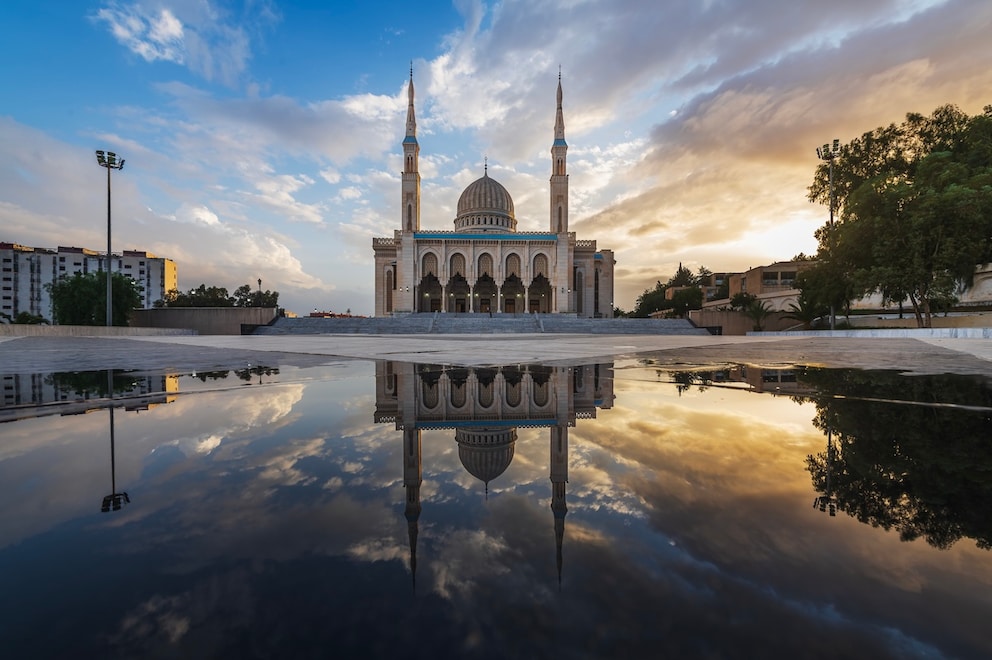
The various cultural influences that Constantine has been under throughout its life are still evident in the cityscape today. Narrow, winding alleys and traditional souks characterize the historic old town, the Kasbah or Medina, and thus recall the Arab-Islamic centuries of the city. Traditional Ottoman elements can be found in buildings such as the Ahmed Bey Palace, the Souk-el-Ghezel Mosque, which was converted into a cathedral by the French, and traditional hammams. In addition, there are numerous other Muslim-influenced buildings that were only erected in later years, such as the Emir Abdelkader Mosque from 1994.
From the Roman era, remains of aqueducts and Roman masonry can be found in the medieval fortifications today.
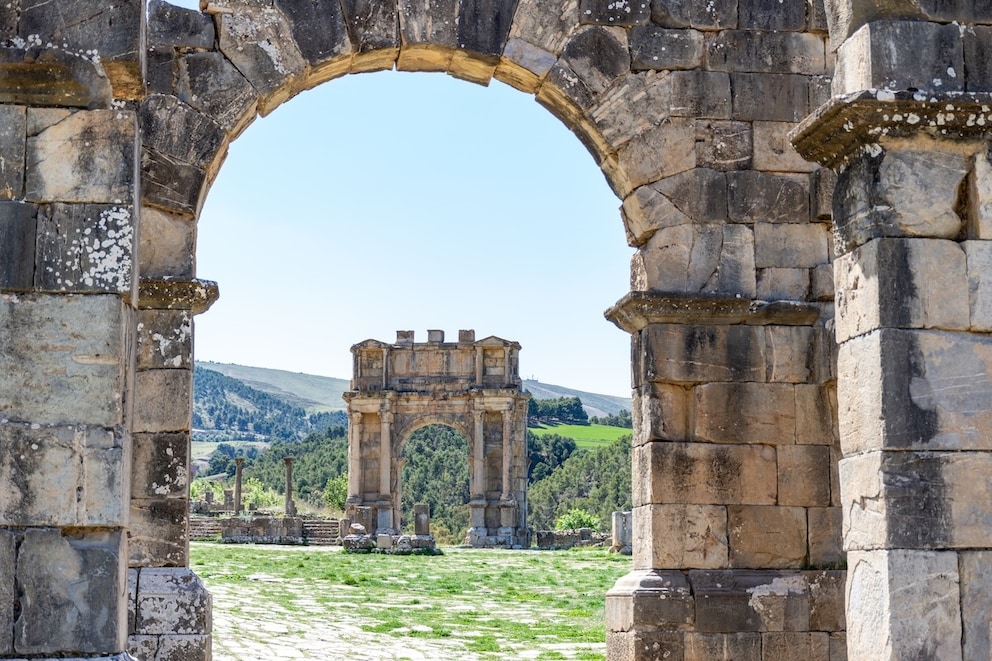
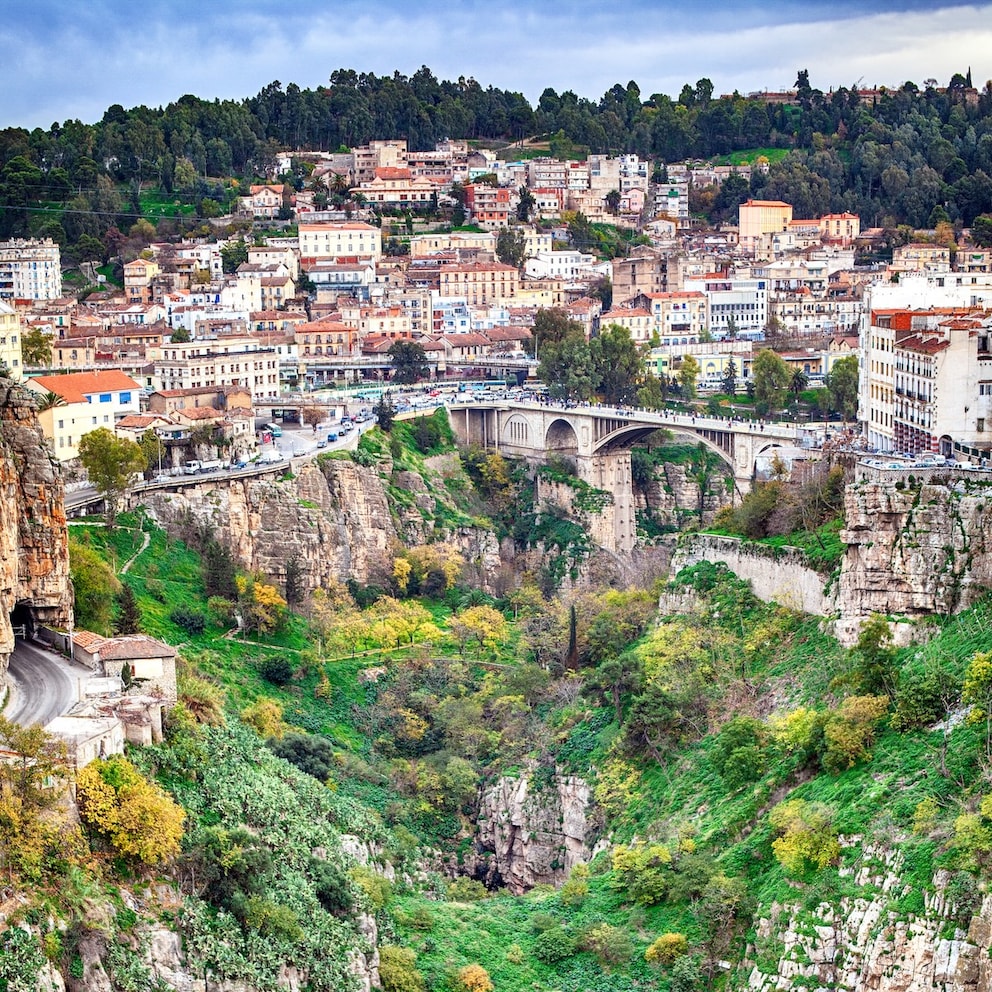
The French influence in Constantine is still evident today in the straight streets and wide squares of the western part, as Britannica writes. According to this, the eastern and southeastern parts “form a striking contrast with their winding alleys and Islamic architecture.”
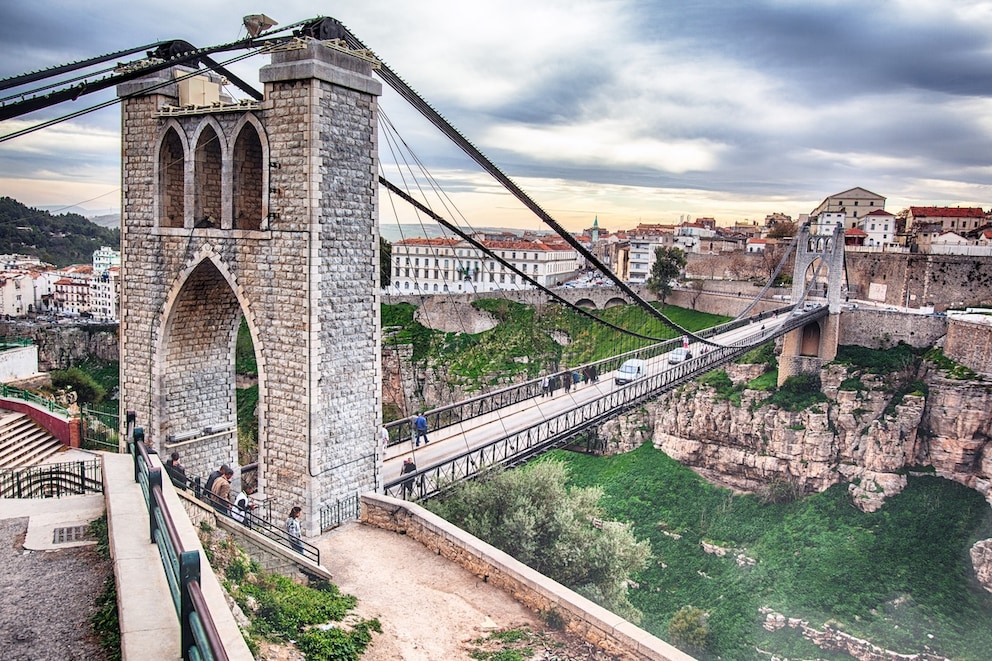
Not least, it is the French bridges, such as the combined cable-stayed and suspension bridge Sidi M’Cid and the Pont d’El Kantara, that have earned the Algerian city the nickname “City of Suspended Bridges.” These significantly shape the cityscape and make Constantine an exceptionally exciting travel destination.