

November 5, 2025, 4:21 pm | Read time: 5 minutes
The Swedish city of Kiruna must make way for mining and is therefore being relocated. Recently, images caused a stir when the city moved its church in one piece to its new location. Now there are headlines again from the “new” Kiruna: It has become significantly colder. TRAVELBOOK reveals what’s behind it.
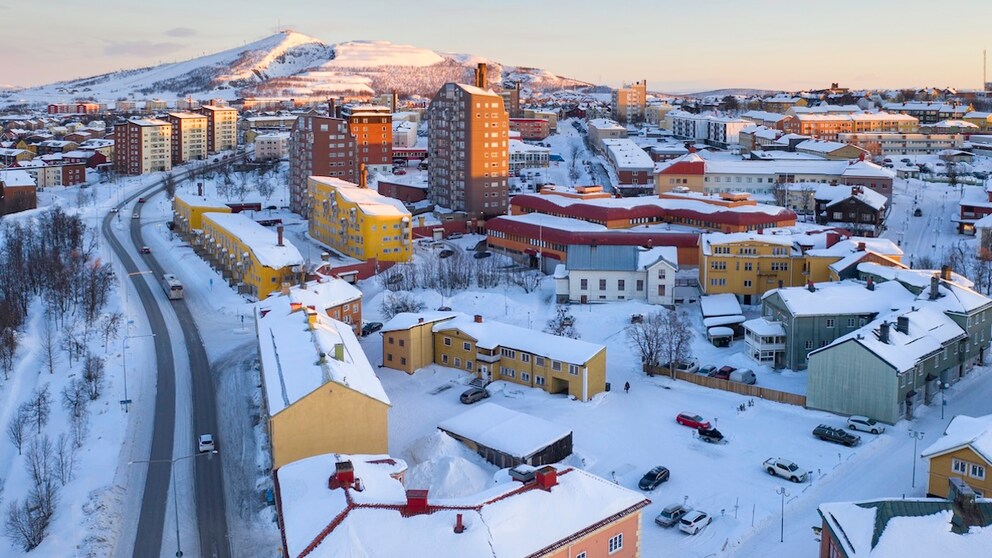
Although the regional climate hasn’t changed, it is now noticeably cooler in the Swedish city of Kiruna. Located in the Arctic, the residents are accustomed to the cold. However, since the relocation, winter temperatures have dropped by up to ten degrees on average compared to before. A noticeable difference! A new study by the University of Gothenburg has identified the contributing factors. Apparently, some mistakes were made in planning the new city.
Microclimate Ignored in Planning
Kiruna is a mining town in the Arctic, built in the early 20th century specifically for miners. However, mining in the iron ore mine has advanced so close to the center of Kiruna that it is too dangerous to continue living above it. For this reason, the city has been gradually relocated over the past few years.
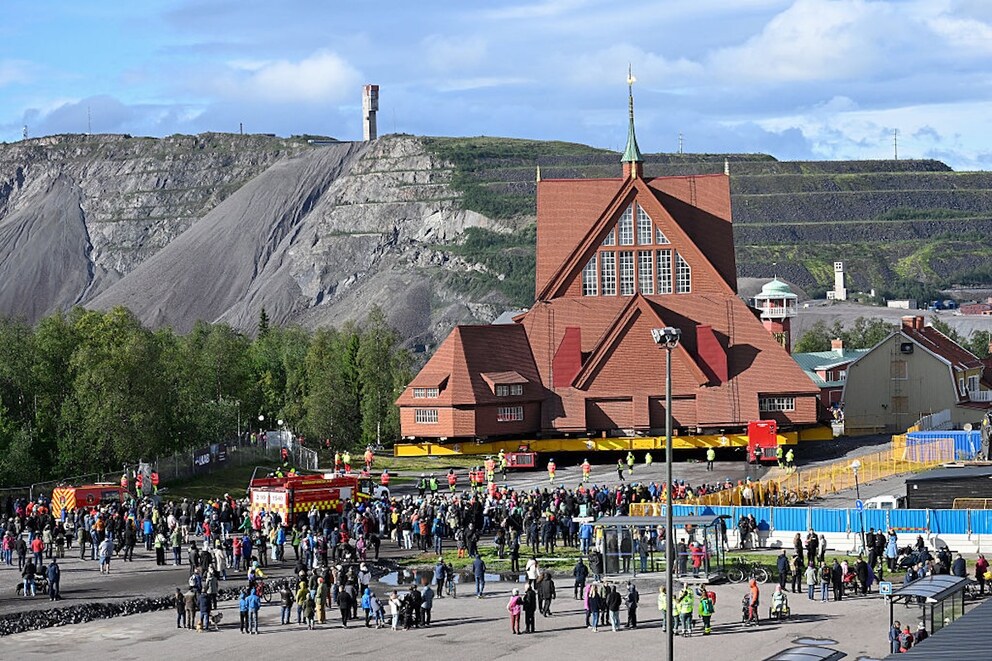
The new location is not far away—about five kilometers to the east, the “new” Kiruna is being developed. Over the years, roads, infrastructure, and new buildings have been constructed there, and gradually, residents have settled into the new environment. Most recently, the over 100-year-old church was moved in its entirety to the new center.
However, the relocation has resulted in the city becoming suddenly colder. Jennie Sjöholm from the University of Gothenburg explains in a recent study that the microclimate was not optimally considered in the city planning. Depending on how buildings, streets, trees, and many other elements are arranged in a city, it also affects the surrounding temperature. That’s why cities have their own climate, their microclimate.
Also interesting: The impressive and almost unknown sister of the Northern Lights
A “Damn Wind Tunnel” Was Created
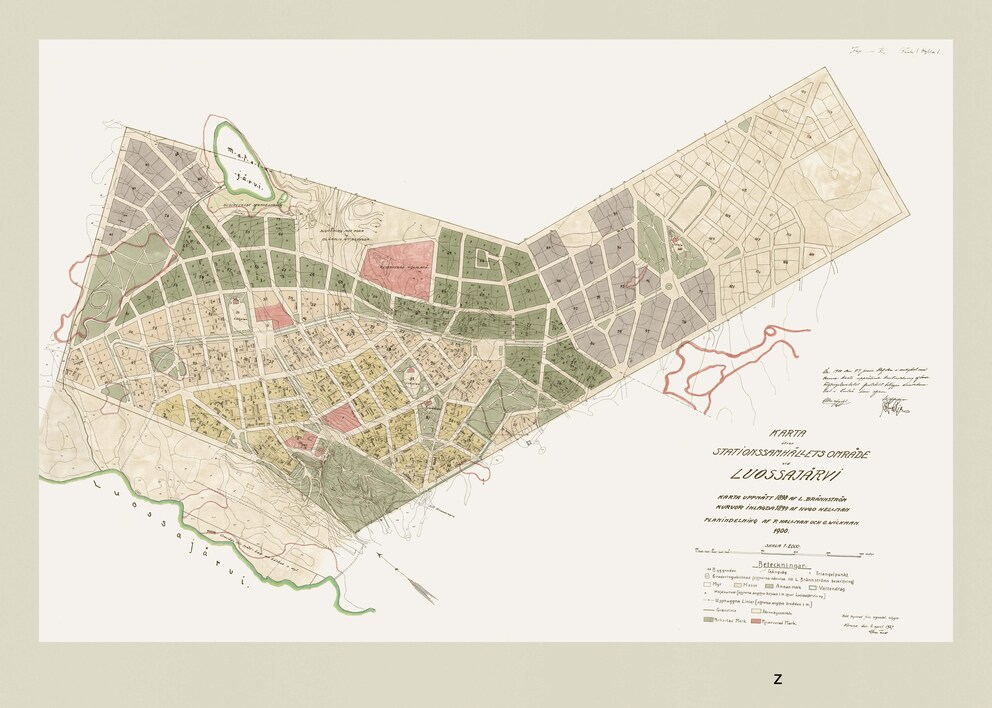
Originally, Kiruna was situated on a sunny southern slope, with winding streets that prevented the wind from easily passing through, and instead of large squares, there were many smaller green spaces and intersections. These aspects were not considered in the new planning.
The new area is located in a darker valley, about 100 meters lower than the old one. As a result, there is less sunlight in winter, and the cold air accumulates in the depression. Additionally, the alleys and streets were laid out straight, allowing the wind to sweep through. Furthermore, the small squares were replaced by large, open areas or shopping centers. According to the University of Gothenburg study, the buildings in the center are so tall and the streets so narrow that the low-standing sun barely reaches the ground for many months of the year.
Jennie Sjöholm concludes that while the city planners created added value with the new business center featuring three shopping centers, a square, and a new town hall, they also created a “damn wind tunnel.”

These Destinations Will Make You Particularly Happy in 2025

Venice Sinks Further–Will the City Be Relocated?
Kiruna Was Once a Model Winter City
According to Sjöholm in the study, the knowledge of proper architecture and urban planning for Arctic conditions has long been known. After all, Kiruna was once designed as a winter city. It served as a kind of experimental field for urban planning in extreme climates. Kiruna was a model of how the right and adapted architecture can improve the quality of life even in Arctic conditions.
According to Sjöholm, planners have now set different priorities. They no longer focus on the comprehensive protection of the microclimate in the new Kiruna. In her view, this is partly due to ignorance. Planners and architects working on the design may not necessarily come from Arctic regions. She also suspects that some decisions are driven by the construction industry, which focuses on cost savings and standardization rather than local conditions.
However, the researcher is also convinced that it is not too late to make some adjustments. The new Kiruna is not yet completely finished. With the help of tree plantings and urban furniture, mistakes can at least be partially corrected.
Less Attractive in Winter
On the Swedish tourism website “Visit Sweden,” Kiruna is advertised as a small winter vacation paradise. It is described as the northernmost city in Sweden. In winter, one can go hunting for the Northern Lights or explore the mountain world in the glow of the midnight sun.
However, Sjöholm emphasizes in her study that while the city likes to market itself to tourists as a winter city with long, snowy winters offering numerous opportunities for outdoor activities, she finds it all the more surprising that the city has now become less attractive in winter.