

April 20, 2021, 3:24 pm | Read time: 10 minutes
Avoided by both locals and tourists alike, the Berlin district of Spandau leads a rather shadowy existence in the capital–completely unjustly, as it offers the most beautiful nature and the chance to enjoy the real Berlin away from the hustle and bustle of the city center. Our author is a “native” and lists ten reasons why Spandau is much better than its reputation…
“Spandau? Is that even still Berlin?” This phrase, or something similar, is often heard, delivered with a slight smirk, and often even from people who feel like they just moved to the capital five minutes ago from their tiny village. As a native Spandauer, such comments annoy me time and again. Yet, I must admit: You simply don’t hear anything about “Spandau near Berlin” in the media. While the “New York Times” was already celebrating Wedding as a new trendy district in 2015, and the “Tagesspiegel” once dedicated a laudatory article to Lichtenberg as a “family-friendly community,” Spandau is completely underrepresented or even nonexistent in the media.
As someone extremely proud of their origins, I now face a huge dilemma. I don’t really want the tourist masses from Mitte and other hipster districts to invade us. And they certainly would if they knew what Spandau has to offer. But unfortunately, it’s also this pride that compels me to say it out loud: Spandau is the most underrated district in all of Berlin–and completely unjustly so!
The best ice cream in all of Germany comes from Spandau
How else could a love letter to Spandau begin than with bold claims? But seriously, even during my college years in Hesse, my Berlin-savvy classmates knew “Florida Ice,” Spandau’s most successful export product. Since the spring of 1927, “Florida” has been available in countless delicious flavors. The company’s forward-thinking approach is evident in its initiative to produce ice cream using solar energy and in a carbon-neutral manner. The sweet treat has made its way into countless Berlin supermarkets and is now easily orderable throughout Germany–and once you’ve tasted it, you’ll keep coming back. An absolute must-visit for all “city apes” on a discovery tour through Spandau. According to the company’s website, the only two branches are still here. Who needs the city center?
The real “Craft Beer” of Berlin comes from Spandau
Good beer needs neither frills nor flashy advertising that flirts with Berlin’s oh-so-cool image–the Spandau Brewery proves this with its Havelbräu. And it’s been doing so since before the term craft beer was even invented, namely since 1994. A vivid example of how good the brewery’s beer really is: Every summer, English exchange students would visit us. After one visit to the brewery, they wanted nothing more to do with the rest of the city in the evenings.
The oldest building in Berlin is in Spandau
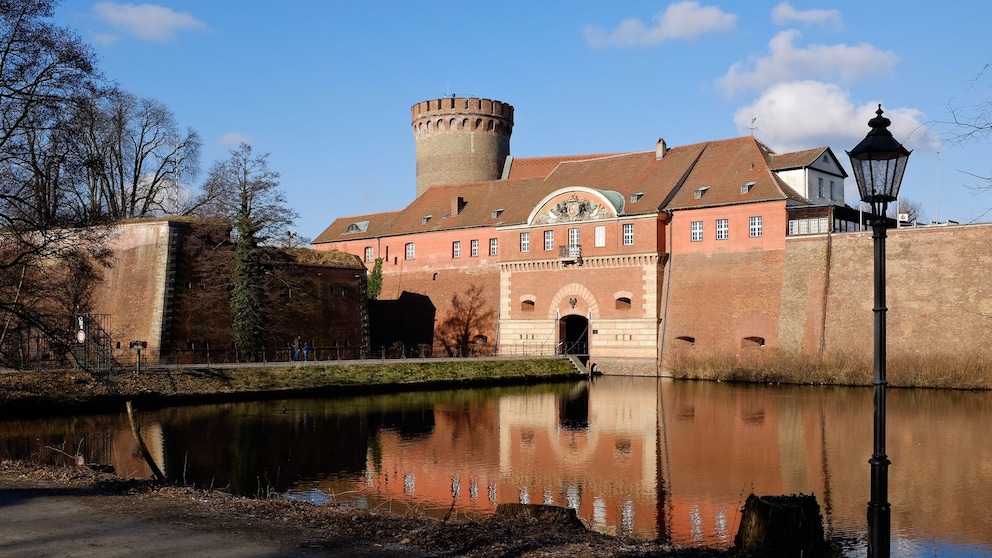
This refers to the impressive Juliusturm, which is part of the Spandau Citadel–it was built in the 13th century, while the fortress surrounding it today was only constructed in the 16th century. From it, you can see all the way to the TV tower at Alexanderplatz on a clear day. Today, the complex is one of the most important and best-preserved Renaissance fortresses in all of Europe, and yet it doesn’t seem old at all. In pre-COVID times, the citadel transformed into one of Berlin’s most popular and lively public viewing spots during every soccer World Cup or European Championship.
Also interesting: From a true Berliner: Why Neukölln annoys me so much
In Spandau, you can swim through two states
One of the cleanest swimming lakes in all of Berlin is the Groß-Glienicker See, affectionately called “Glieni” by the locals. From its two whimsically named bathing spots “Pferdekoppel” and “Moorloch,” you can dive into crystal blue water and enjoy visibility up to four meters. However, the lake is famous for something else. Even today, the state border between Berlin and Brandenburg runs through its middle.
During the former GDR times, it was a dare to swim to the eastern side or even to the other shore of the lake. Always in the shadow of one of the many guard towers back then. There used to be a popular beach here, but unfortunately, it fell victim to modernization mania some time ago. Today, a private yoga and spa center stands on the formerly freely accessible grounds.
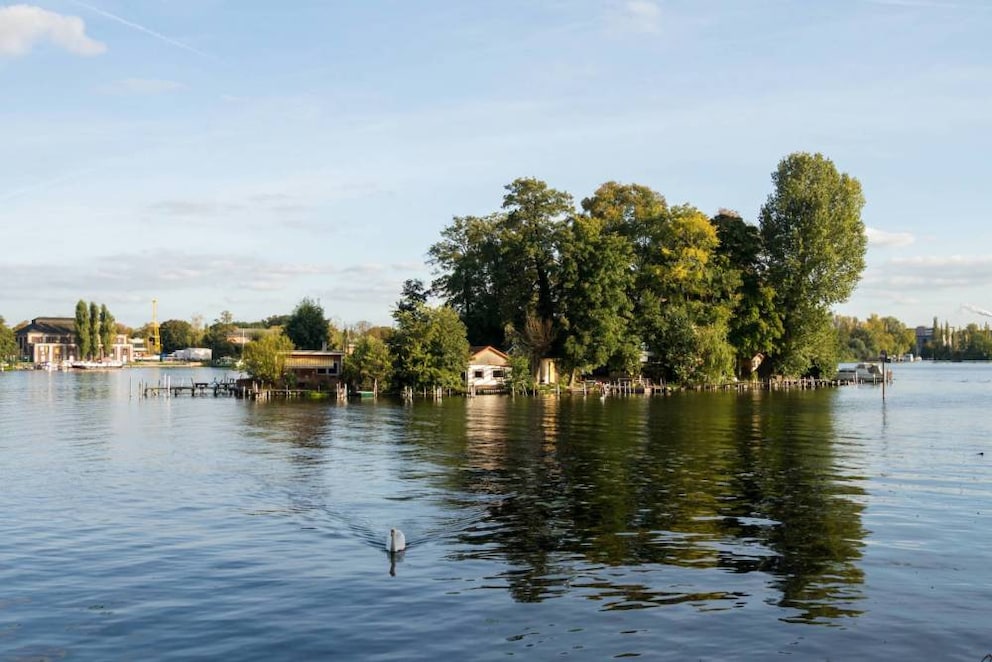
However, the lake has taken a quite positive turn with the “Bootshaus Kladow,” which has existed for a few years. If you want, you can rent a rowing or pedal boat here and head to the two small islands that lie in the middle of “Glieni.” Anglers also get their money’s worth here, as the lake is one of the richest in fish and species in all of Berlin.
In Spandau, “organic” really means organic
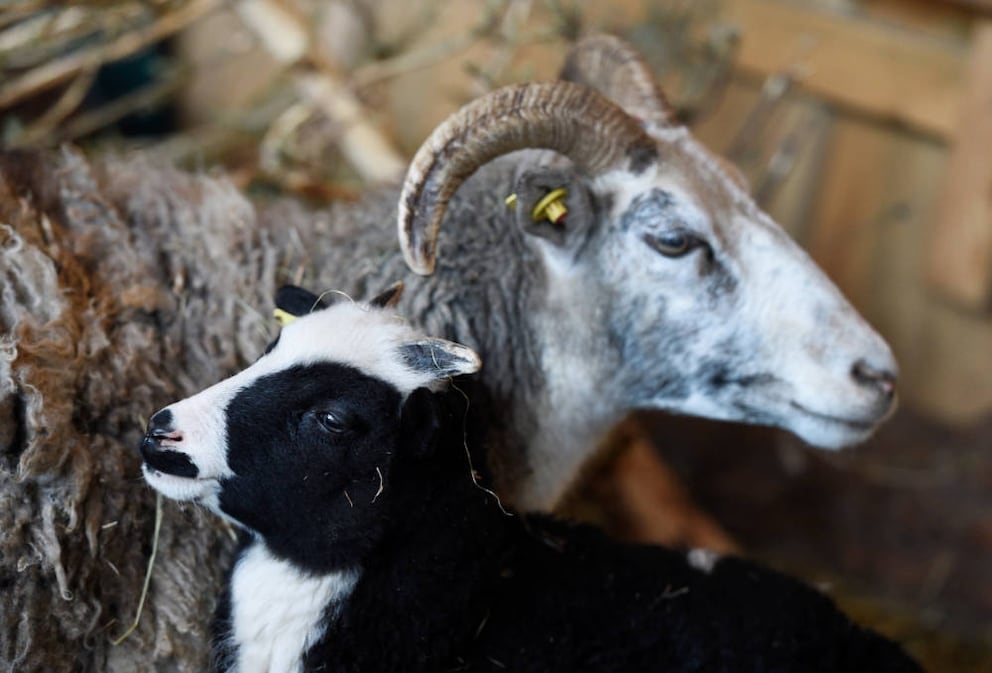
Have you ever bought fresh eggs, fruits, vegetables, or meat directly from a farm in Berlin? No? In Spandau, you can choose from several direct suppliers who bring you the freshest produce you’ll ever eat in Berlin. The “Vierfelderhof” is also a demonstration farm and offers a petting zoo with rabbits, pigs, and goats for the little ones. Additionally, for example, at the Feldbinder farm (a cousin of my grandmother), there’s a farm shop, and the regional store “Alte Feuerwache” offers natural delicacies.
In Berlin’s “Berry Garden,” you can pick strawberries and blueberries yourself and snack as much as you like or can manage. In Kladow, “Homemade Ice Cream” tempts with its own creations like “Mascarpone-Pear” and “Pink Grapefruit” at fair prices.
One of Germany’s most beautiful bike paths runs through Spandau
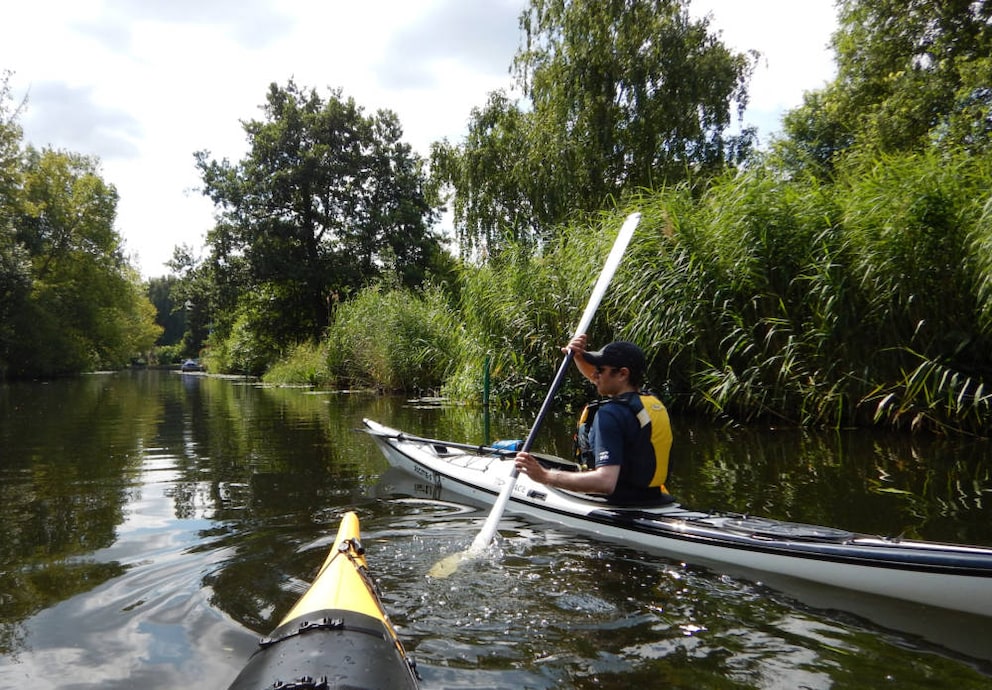
Of course, this is again a subjective feeling and a bold claim, but a good stretch of the nearly 400-kilometer-long “Havel Cycle Path” runs through Spandau. Here, you can cycle or, of course, walk along the picturesque Havel. A good starting point is the Haveldüne, from which there is a spectacular view over water and forests. It continues past the impressive Villa Lemm, which a shoe polish magnate once built and which was at times even considered as a residence for the Federal President due to its splendor. Along the way, the Grunewald Tower rises from the eponymous Berlin forest, and numerous bathing spots like the Apple Meadow invite you to take a refreshing break.
Truly romantic is the allotment garden colony just before Kladow, where you can sometimes see miniature trains chugging through the gardens. The Neukladow Manor Park is one of the most beautiful green spaces in the entire city and offers an incredible view of the Havel and Wannsee. Artists like Max Liebermann have already found inspiration here. At the marina in Kladow, you then practically change sides. With a boat included in the BVG fare, you can sail towards Wannsee and then continue cycling to Potsdam.
Also interesting: 18 places in Berlin that not everyone knows

Berlin’s Hiking Trails Offer Relaxation and Adventure

How I Fell in Love with Prague Again
From Spandau, you can go directly to Denmark
Another tip for cyclists, as part of the international Berlin-Copenhagen bike path also runs through Spandau. Again along the banks of the Havel, it goes past the popular bathing spot “Bürgerablage” through deep green forest over the small Henningsdorf. Today, it almost belongs to the Berlin commuter belt. It continues through places like Velten and Oranienburg into Mecklenburg-Vorpommern and up to Warnemünde, from where you can then cross over to Denmark.
If you don’t want to go quite that far, you’ll find a great excursion destination along the Spandau Havel and can even take a small ferry to the Tegel shore. Part of the Berlin-Copenhagen bike path in Spandau also runs over the island of Eiswerder. It is connected to the mainland by a bridge. On it, there are still numerous ruins from Spandau’s glorious industrial era–currently, however, expensive lofts are also being built here for those who are fed up with the city center and its hustle and bustle.
The negative image many people have of Spandau also includes the misconception that there’s “nothing going on” here. Yet, in non-COVID times, Spandau offers many cultural venues and events for every taste and age. And in Spandau, with the Ballhaus, stands the oldest nightclub in all of Berlin–legend has it that the band “Die Ärzte” once met here. And even “way out there” in Kladow, you can now choose from numerous events–for example, the “Kladower Hof” hosts a great jazz jam session every first Friday of the month (try the homemade meatballs), the “Gärtnerei Guyot” regularly offers events like comedy evenings and their already legendary parties among connoisseurs.
Also interesting: Berlin Guide: The best shopping addresses for the capital
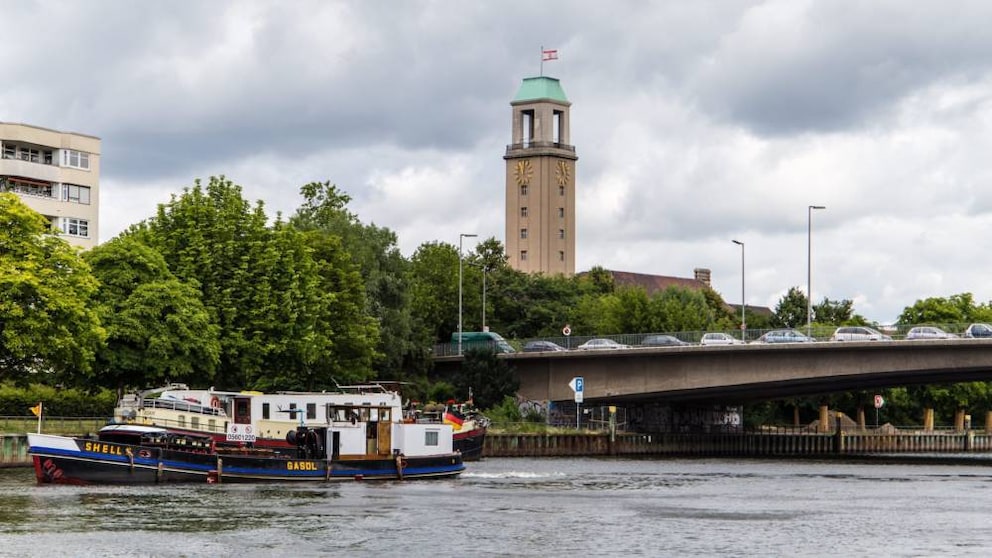
Spandauers are simply a very special bunch
When someone asks me, for example, on vacation where I’m from, I say “From Spandau.” For people who know Berlin, this often elicits the reaction mentioned at the beginning, but I couldn’t care less. The fact is: Spandau was incorporated into the big city of Berlin against its will back then. They probably wanted to annex the most beautiful green areas. We never asked to belong. And when others say Spandau is way out there, we say: luckily.
Because the somewhat oddly oriented party crowd rarely finds its way to us. Many Spandauers, like me, are extremely proud of their origins and make no secret of it. For example, when a politician once suggested renaming the Spandau Citadel to Citadel Berlin, there were massive protests–and the idea was quickly and sheepishly withdrawn.
Actually, every article should end with some kind of conclusion, where the author says something like: “I hope I’ve now convinced you of Spandau’s advantages.” But honestly, I don’t care at all whether you’re now more interested in Spandau or not. To be honest, I really don’t want it to ever look like the city center here.
But if you ever want to take a trip to a place where the greenery hasn’t been straightened and fenced in by people and where a swimming pool still means a bathing spot by a lake or river, and if you also feel like getting your own impression of Spandau, then I gladly and proudly say first: Welcome to Berlin’s most underrated district!