

January 9, 2026, 1:40 pm | Read time: 5 minutes
Year after year, the Global Power City Index (GPCI) evaluates cities worldwide based on their “attractiveness.” It assesses their ability to draw people, businesses, and capital from around the globe. In 2025, a German city once again made it into the top ten.
Since 2008, the ranking for the Global Power City Index has been published. The annual summary states that the “world’s most important cities” are evaluated based on six categories. These include economy, research and development, cultural interaction, quality of life, as well as environment and accessibility. The first place in 2025 once again goes to a major metropolis in Europe.
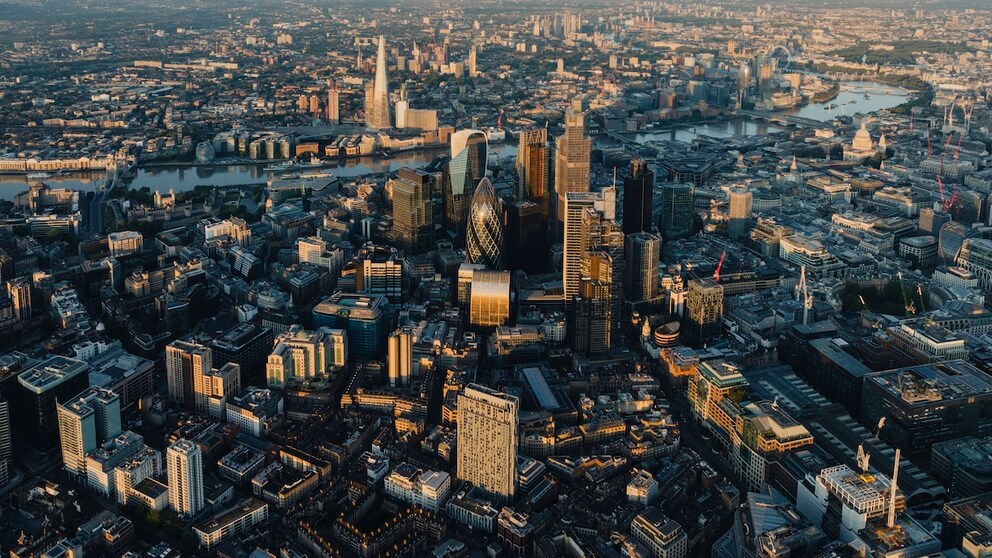
London Remains at No. 1
Since 2012, there has been an unbeaten winner in the top spot of the Global Power City Index. London has been the “most powerful” city in the world year after year, with the highest attractiveness. The metropolis particularly excelled in cultural interaction and accessibility—in terms of economy, research, and development, it ranks behind New York. According to the authors of the ranking, London has notably lost points in quality of life and environment, but has positively developed in other areas.
First Change at Ranks 2 and 3
Since 2016, Tokyo has consistently held third place in the Global Power City Index, just behind New York. However, in 2025, Japan’s capital moved up to second place for the first time, surpassing New York. Tokyo ranks at the top in the quality of life category, and in cultural interaction, the metropolis has reached second place for the first time—its nightlife was rated so highly that it even ranks first.
New York, on the other hand, experienced the most significant decline among all cities, losing its second place for the first time since 2012. This is partly due to significantly increased living costs and a poorer rating in the environment category. However, its overall very good ranking is due to New York maintaining top positions in the economy and research and development categories.

These Are the World’s Most Attractive Cities

These Countries Offer the Best Opportunities for Expats
German City Again in Top Ten
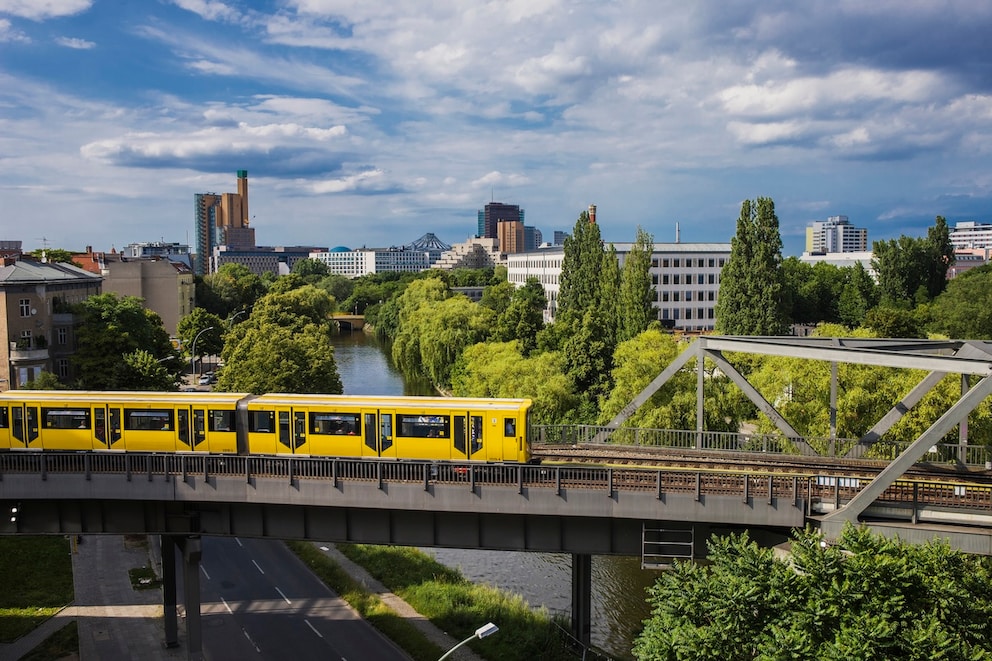
Once again, a German metropolis is in the top ten of the Global Power City Index: Berlin ranks tenth in 2025. The previous year, the capital was in ninth place. The slight drop can be attributed, among other things, to the accessibility category. In 2024, Berlin ranked 18th in this regard—in 2025, it was only 23rd. The number of international direct flights is one of the factors considered in this category.
In terms of quality of life, Berlin performs above average, securing fourth place. However, another German city was rated even better—Frankfurt secures third place.
Berlin’s governing mayor, Kai Wegner, is quoted on the Global Power City Index website. He explains that Berlin’s goal is to become Europe’s leading innovation hub. To achieve this, billions will be invested in education and research, environmental and climate protection, and mobility in the coming years.
The Top Ten of the Global Power City Index:
- London, UK
- Tokyo, Japan
- New York, USA
- Paris, France
- Singapore
- Seoul, South Korea
- Amsterdam, Netherlands
- Shanghai, China
- Dubai, United Arab Emirates
- Berlin, Germany
Berlin is the only German city to make it into the top ten, while Frankfurt ranks 19th.
The Evaluation Criteria in Detail
As previously mentioned, the overall ranking is based on the evaluation of six different categories: economy, research and development, cultural interaction, quality of life, as well as environment and accessibility. These areas are further divided into various subcategories and topics. In the economy category, factors such as gross domestic product, the presence of large companies, and the number of employees in the city are considered. For research and development, the evaluation includes the number of researchers, the amount of money spent on research, the number of startups, and the number of award winners in science and technology.
The evaluation for cultural interactions also consists of various factors. How many international conferences are there, what is the number of cultural events, how many tourist attractions are there, what is the nightlife like, are there UNESCO World Heritage sites—all of this is analyzed. Similarly, the number of hotel beds, stadiums, museums, shopping opportunities, and gastronomy is considered.
In terms of quality of life, factors such as flexible working conditions, rents, prices, crime, social freedom and equality, and the number of doctors are included. For the environment, subcategories such as commitment to climate protection, recycling rates, renewable energies, urban greenery, and air quality are evaluated. Accessibility mainly concerns infrastructure. How many international flight connections are there, how many passengers, what are the taxi prices, and how good is public transportation—these are just some of the evaluation criteria.
Each year, a committee of experts from various fields comes together to examine these numerous criteria. Another committee handles the data analysis. To ensure the impartiality of the ranking, the result is reviewed by two independent external auditors according to GPCI. A total of 48 cities were analyzed.