

July 22, 2024, 9:16 am | Read time: 6 minutes
Our author spent a longer vacation in France for the first time in years and was surprised by several things despite being prepared. What pleasantly and unpleasantly surprised her–and what you should watch out for on vacation.
France, the land of wine, cheese, and love. In recent weeks, I traveled to several places from north to south, from Paris through Lyon to Marseille. I began preparing in the summer, subscribing to travel accounts on Instagram, selecting interesting places to visit, reading numerous blog posts, and, of course, packing some travel guides. I thought I was well-prepared for my vacation in France. Yet, despite my prior knowledge, some things still surprised me. Here are five things I wish I had known before my trip.
Overview
1. Food: Vegetarian? Grand problème
As mentioned earlier, France is, of course, known for its cheese. You can find it in abundance even in the smallest supermarket. But meat and fish in all variations are also part of almost every meal for the French and are the basis of many French specialties. In restaurants, it’s hardly possible to find a dish without “animal,” even most salads contain poultry, bacon, or tuna. For vegans, the diet becomes even more challenging.
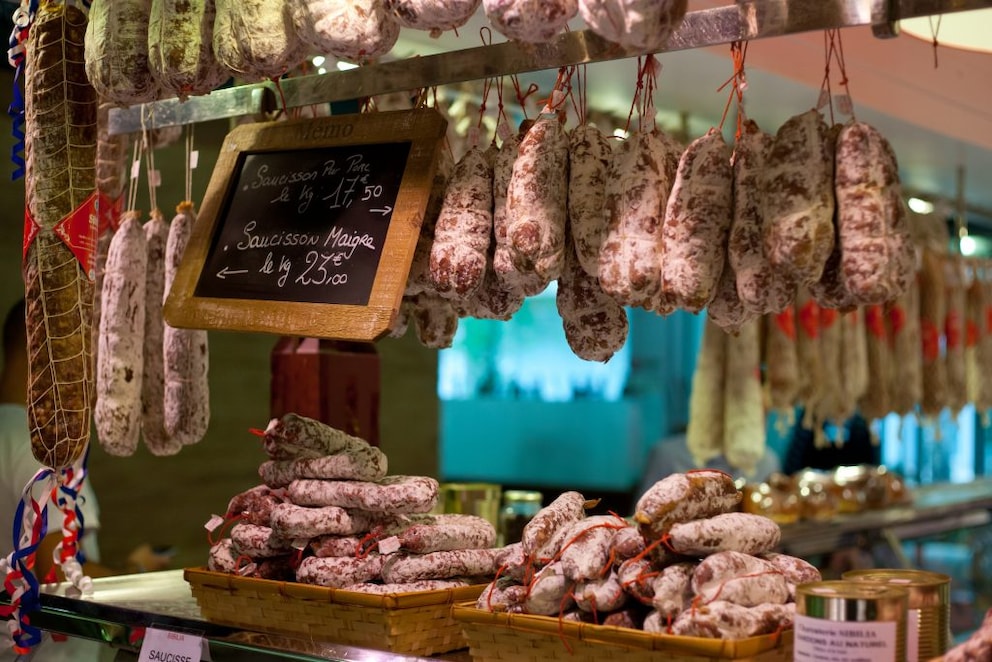
Products without animal origin are scarce. For example, even in major cities like Paris or Marseille (the second-largest city in France), very few cafes offer milk substitutes like soy or almond milk. For many Germans, including myself, this is initially very strange.
The reason is that the proportion of vegetarians and vegans in France is significantly lower than in Germany. A Statista study shows that in Germany in 2020, 4.4 percent were vegetarians and 3.2 percent were vegans–in France, it was 1.1 and 0.9 percent, respectively, more than a third less.
2. Traffic: For the Brave
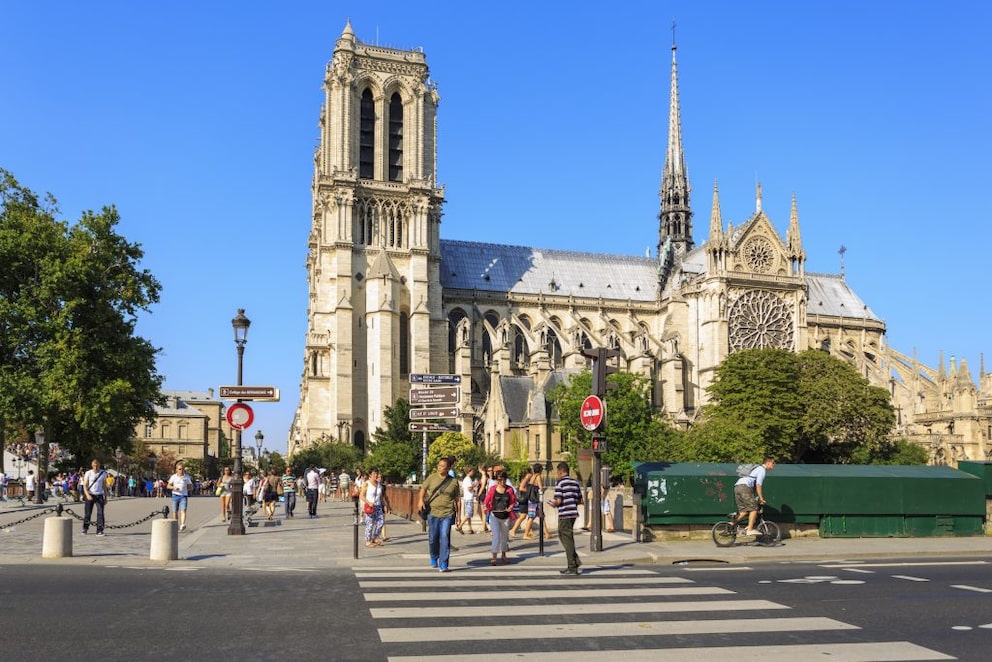
The first few days of vacation, I was confused–because there are crosswalks in France where cars never stop on their own, and there are traffic lights where the French always cross on red. Something seemed quite different here than in Germany. In fact, traffic laws in France were only adjusted to the German regulations regarding crosswalks a few years ago. Until 2011, cars only had to stop at pedestrian crossings if a pedestrian was already on the path. You simply had to “just” step onto the street.
Since this rule requires some courage and is also rather unsafe, it was adjusted nearly ten years ago to grant pedestrians the right of way in any case. A few years ago, it was even tightened, and since then, pedestrians have the right of way everywhere, even at red lights, as long as they make it clear they want to cross the street. If this right of way is not granted, drivers face a fine and the loss of their driver’s license for up to three years, reports the French Center for Studies on Environment, Mobility, and Urban Planning “Cerema.”
That not only sounds good but is also true–but only if you know the rules. Because in reality: Those who dare to step onto the street in France are rewarded by braking cars. However, those who wait at the roadside for cars to stop will have to wait a while.
3. Train Stations: Attention Before the TGV
Speaking of traffic: Caution is advised not only as a pedestrian but also as a train traveler. Because those who, like me, booked a vacation rental in the middle of a big city like Marseille and therefore prefer to forgo a rental car due to a lack of parking spaces should pay close attention to the designation of train stations during train excursions. Because those who, like me, think that the station “Aix-en-Provence TGV” is close to the city “Aix-en-Provence” are mistaken. From the said TGV station to the city center, it would take more than 30 minutes by car–and due to a lack of sensible connections, even an hour and a half by train.
Also interesting: 11 train routes for the next city trip in Europe
This city is no exception. Places like Avignon or Lyon also offer TGV stations that are significantly outside the city limits. So if you want to travel to one of these cities by train, you should definitely make sure to specify the exact name of the desired station (e.g., Lyon Part Dieu) or the addition “Centre.” Otherwise, frustration could be great.

Vacation in Lyon? What you should not miss
This City Is a Relaxed and Affordable Alternative to Nice
4. Opening Hours: Monday is Sunday in France
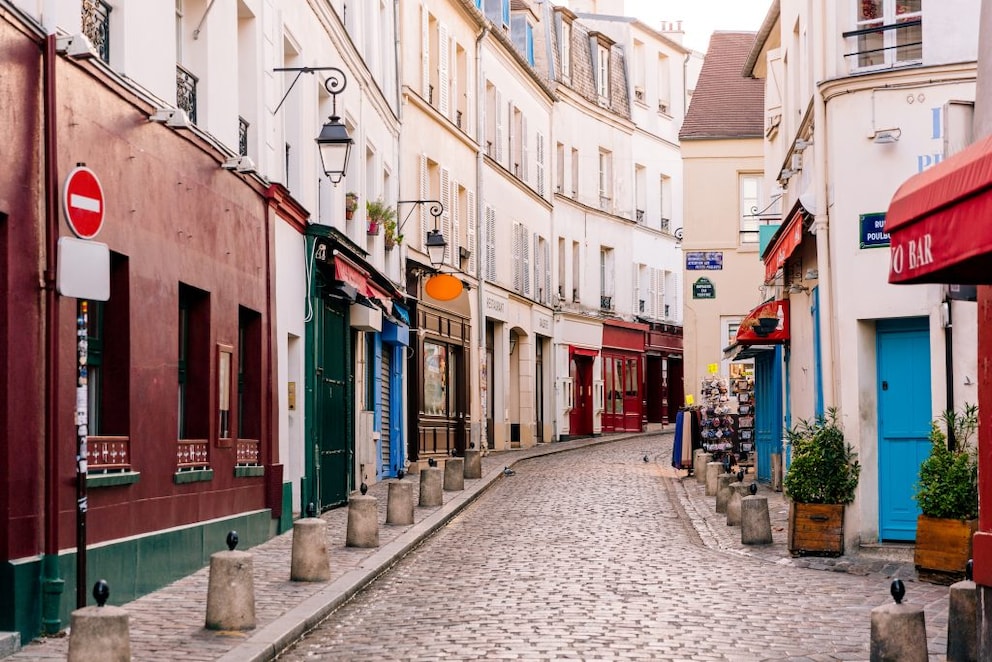
Before my first weekend in France, I naturally checked the closing times on Sunday. Of course, I didn’t want to suddenly be without groceries. I was pleased to read online that many stores are open at least in the morning on Sunday, which was confirmed on Sunday. What I didn’t read: On Monday, almost everything is closed in many places. For example, in Marseille, all museums, most shopping options, and many restaurants were closed.
In principle, there is no store opening law in France, so opening hours vary from store to store and region to region. However, checking online in advance only helps to a limited extent. The information on websites and especially on Google often proved to be incorrect in my case. So what to do? Just go and check–or plan a program for Monday that doesn’t depend on opening hours.
5. Language: English is Scarce
Of course, you read beforehand that you should brush up on your French before a trip to France. Because, as it is often said online, the French are reluctant to speak English, preferring to speak French. So far, so true. But in my opinion, the reason for this lies less in their often-attributed love for their own language and the associated arrogance, and more in the fact that they simply do not master the English language.
Officially, France doesn’t fare too badly in English proficiency: In the English Proficiency Index 2020, a statistic on the worldwide English level of non-native countries, the French ranked 28th out of 100 countries surveyed. However, Germany ranked 8th in the same ranking, significantly ahead. This aligns with my experiences. During my entire stay, I was in contact with about three dozen French people, of whom only five spoke good English. Several times, my counterpart simply gave up and switched back to French. Those who do not master the local language could therefore face significant problems.
Also interesting: Three dreamy places in Normandy, France
However, to the credit of the French, it is worth mentioning that without exception, all conversation partners were very courteous and helpful. If the right words for directions were not found, they simply accompanied us to the next subway station; if the right vocabulary was missing, the phone was quickly pulled out and translated online. Arrogance? Not at all.