

October 29, 2022, 4:54 am | Read time: 3 minutes
Up to 1,000 ships are believed to have sunk over the centuries in the treacherous waters around the Magdalen Islands–including one belonging to a once world-famous businessman. Many descendants of the shipwrecked still live on the archipelago today.
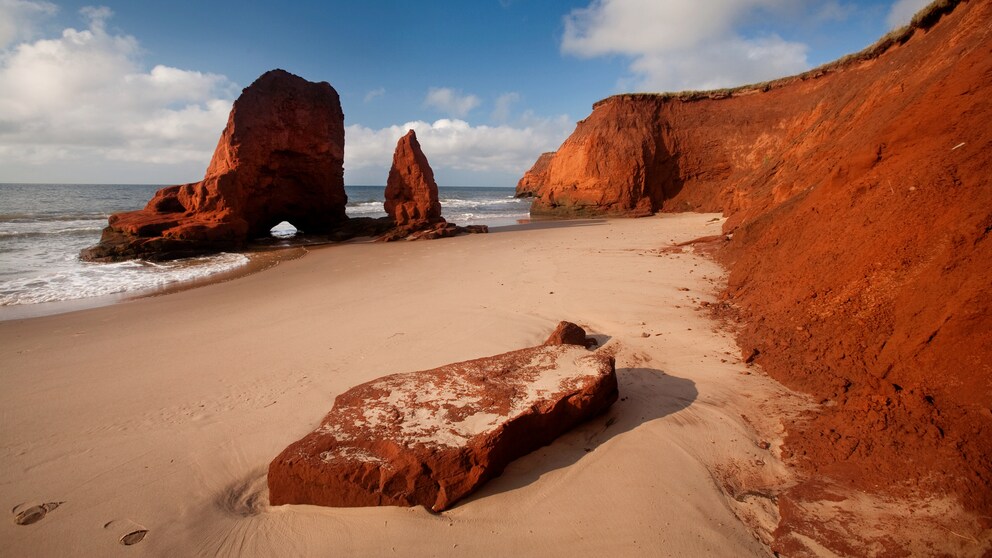
Rugged, wild, imposing–and deadly for some sailors: The Magdalen Islands in Canada’s Gulf of St. Lawrence are a group of islands notorious for extremely unpredictable weather and treacherous waters. According to the BBC, these waters are so dangerous that up to 1,000 ships have reportedly sunk here since the 18th century. A particularly severe storm is said to have sunk 48 boats at once, according to a local. Most of these were ships traveling from Europe to nearby Quebec.
Those shipwreck survivors who made it often stayed on the Magdalen Islands, which is why today, among the roughly 10,000 residents of these primarily French-speaking islands, there is a small community of 550 native English speakers. They are all descendants of the unfortunate castaways of the past, having preserved their traditions and even maintained their own churches and schools until the 1970s.
Also of interest: 9 forbidden islands that no one is allowed to visit!
The Sea Devours the Islands
Island resident Nancy Clark told the BBC, “We are such a small community, probably each of us can trace our roots back to someone who ended up here due to a shipwreck.” In memory of the numerous disasters, the castaways even built some of their houses and a church from the wood of wrecked ships. The most famous was the “Corfu Islands” owned by shipowner Aristotle Onassis, who made headlines for his liaison with Jackie Kennedy, the widow of U.S. President John F. Kennedy, assassinated in 1963–the same year Onassis’ ship sank.
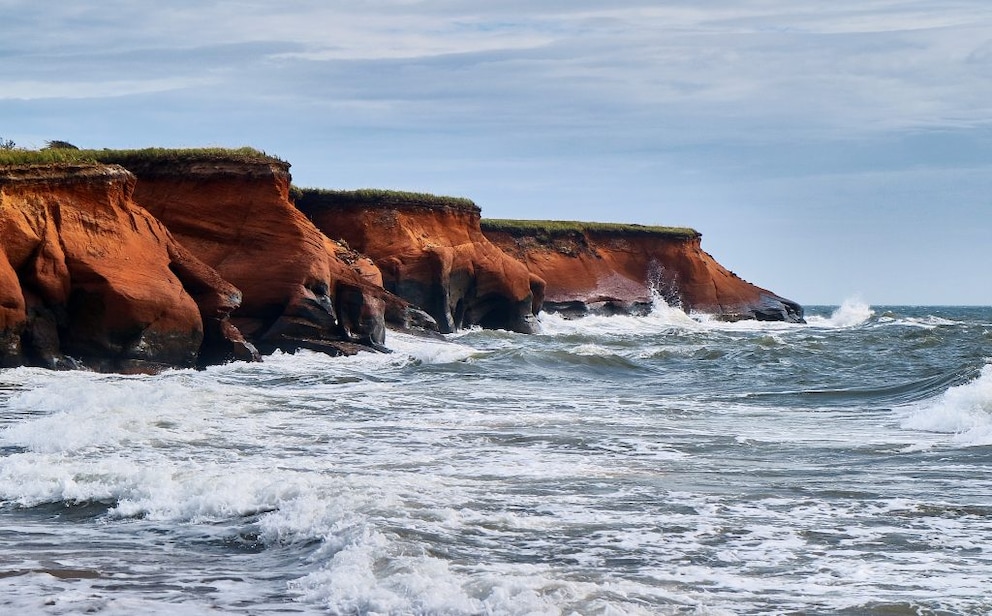
Since the first lighthouse was built on the Magdalen Islands in 1870, the number of accidents has decreased–today, there are six lighthouses spread across the islands, and modern navigation with GPS systems poses fewer dangers than in the past. However, the islands themselves are threatened by the harsh climate, notorious for its often radical weather changes. According to a study by the University of Quebec, the sea erodes nearly a meter of coastline each year, forcing some island residents to relocate their homes.
Also of interest:The world’s smallest island barely fits a lighthouse
Strong Bond
The memory of the Magdalen Islands as a vast ship graveyard is kept alive by Charles Cormier, a coast guard officer who has been diving for 37 years and has repeatedly discovered wrecks–among other things, he has recovered anchors and cannons during his searches. His mission is to find one particular ship: the Simcoe, which sank on December 7, 1917, claiming 48 lives.
Nancy Clark is dedicated to the survival of the English-speaking island community, working as a teacher on various projects aimed at encouraging the youth to stay. Her family has been fishermen for six generations, and her brother is already building boats in the fifth generation. “The weather here is extreme,” she told the BBC. “It can be good, but also quite harsh. But that’s all we know, and that’s why our bond to the island is very strong.”