December 5, 2023, 2:43 pm | Read time: 6 minutes
Diverse nature, bustling cities, and bright sandy beaches. The third-largest island of the Canaries is perfect for sun worshippers and adventurers. Additionally, it can be visited year-round due to its mild temperatures. TRAVELBOOK has the best tips for Gran Canaria.
Gran Canaria is perfect for a vacation that offers a bit of everything: beach life, outdoor adventures, shopping, and nightlife. Families love the gently sloping beach between Playa del Inglés and the Maspalomas Lighthouse. The massive dunes behind it, with their seemingly endless sand waves, are impressive. In the interior of Gran Canaria, there are deep gorges, fragrant pine forests, and remote mountain villages to discover. TRAVELBOOK reveals what you shouldn’t miss on the Canary Island.
More tips and inspiration about Gran Canaria are provided by Adrian Mühlroth, editor at TECHBOOK, in the following podcast episode of In 5 Minutes Around the World:
Table of Contents
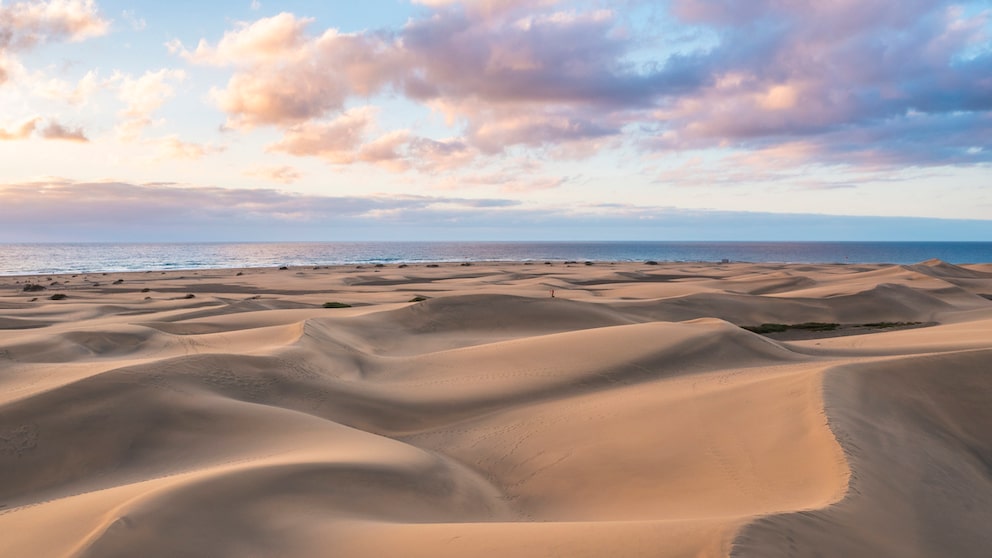
The Dunes of Maspalomas
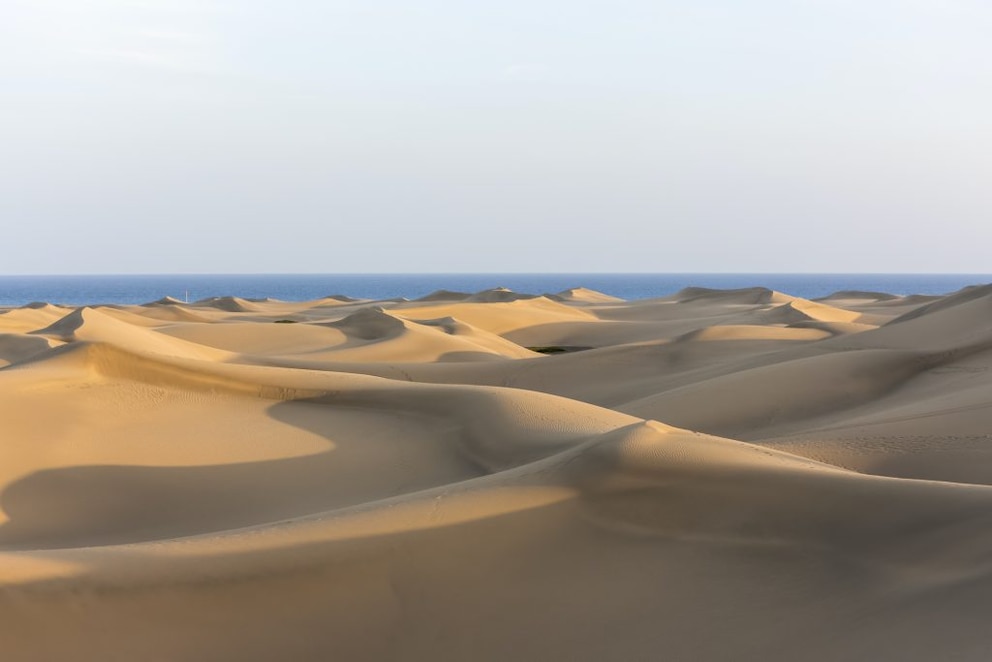
The Dunes of Maspalomas on Gran Canaria are unique. There, in the south of the Canary Island, nature has created a desert landscape that is quite bearable in terms of climate. The six-kilometer-long and two-kilometer-wide dune landscape is protected, which is urgently needed as hotels, resorts, and apartment complexes have increasingly encroached into the dunes.
If you love the beach and don’t mind walking a few meters, you can hardly go wrong. The weather in the south of Gran Canaria is almost always good, with only about 50 days a year when it rains. And if a few more drops do fall from the sky, it usually doesn’t last long, and it dries up the same day. In the dune valleys, you’ll find wonderfully quiet and wind-protected sunbathing spots. The Dunas de Maspalomas transition into wide beaches that gently slope into the Atlantic.
Also interesting: Canaries – which island suits me best?
The Guayadeque Gorge
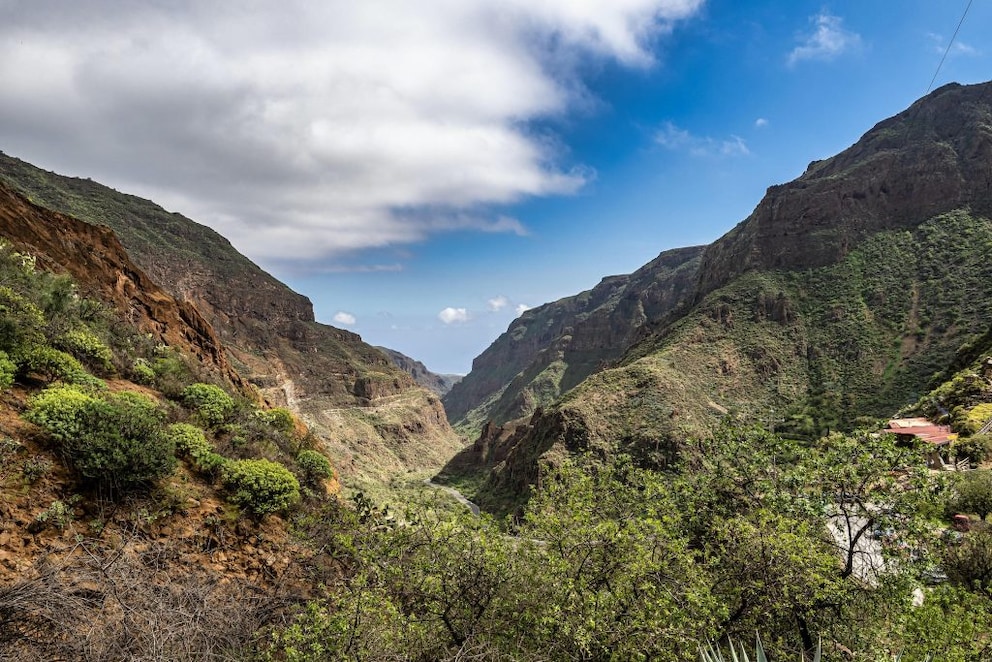
A trip to the Barranco de Guayadeque in the east of Gran Canaria is worthwhile. This part of the island is considered industrial. But even those staying in the south, in Maspalomas, should venture out, either on their own or with one of the tours offered in the tourist centers. The GC 103 leads up from Ingenio. At the foot of the valley lies the Museo de Guayadeque, where the history of the gorge is explained.
Throughout the valley, there are open and hidden caves, many of which are inhabited. The road is extremely narrow. Nevertheless, it is not advisable to walk the long way up. The evergreen valley is not uninhabited, and the view is not idyllic everywhere. Still, it’s surprising how pretty it can be in the east of Gran Canaria, where hardly any tourists venture. Explorers can try one of the numerous hiking trails that branch off along the valley. During the week, you might be the only hiker, and there are always wonderful views of the island and the sea.
Several restaurants cater to your culinary needs. In Bermeja Cuevas, there’s a very popular cave restaurant. The place itself is worth a visit–where else can you see an entire cave village? The residents have adapted to tourism. Some sell delicious homemade food. The road ends at Montana de las Tierras. There, you park your car and follow the marked circular trail. On weekends, the valley is very busy because locals like to celebrate there.
The Mountain Roque Nublo
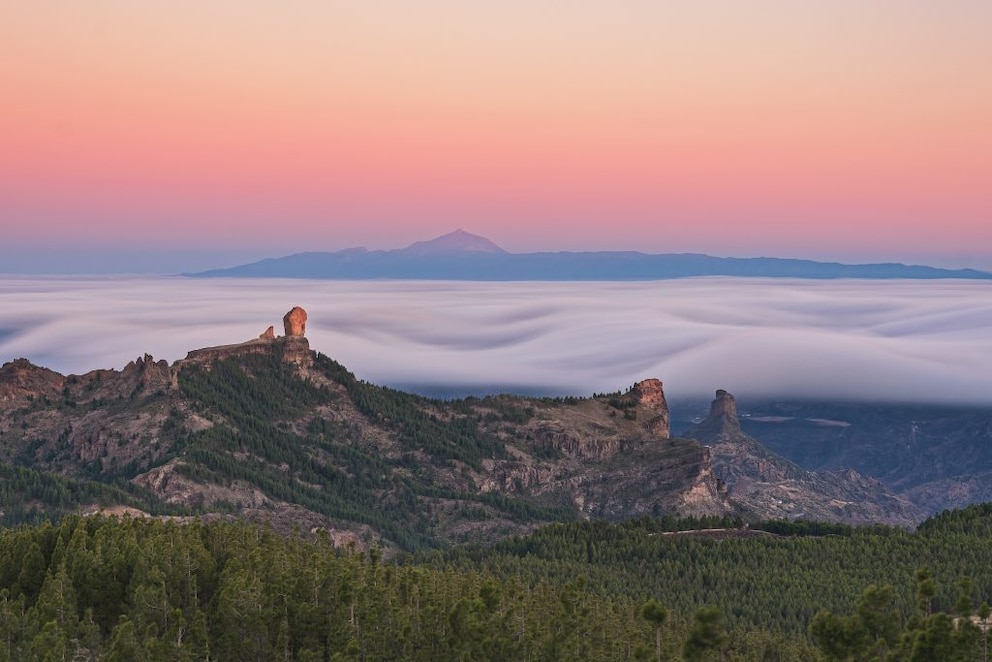
The Roque Nublo is the landmark of Gran Canaria. Visible from afar, its ascent is relatively easy. However, you should choose a day when at least some visibility is possible. The view over to Tenerife and Teide is excellent, and it would be a shame to struggle up the narrow roads only to stand in the fog.
The drive to Roque Nublo from the north leads via the GC 608 to La Culata, from the west via the GC 130, in the mountains left onto the GC 600 to Ayacata, or you can make your way from the GC 150 to La Culata. From the south, take the GC 815 to Ayacata and turn right onto the GC 600. After a few kilometers of solitude, the parking lot appears on the right. To reach Roque Nublo, it’s a half-hour walk on a forest path to the left. There is also a circular hiking trail around the mountain, which is under nature protection.
It’s particularly impressive to go further up. The higher you climb on Monte Nublo, the more magnificent the view becomes. Along the way, you’ll encounter some other bizarre rock formations. The last few meters to the 60-meter-high Roque Nublo are a bit challenging. Once at the base of the rock, you have a magnificent panoramic view of Tenerife, over the island of Gran Canaria, and its highest point, Pico de las Nieves. You can also climb Roque Nublo itself, but this is reserved for experienced athletes with the appropriate equipment (difficulty levels 4-7).
Where to Shop Best
The grand boulevard Calle Mayor de Tirana in the island’s capital, Las Palmas, is a shopping paradise. Don’t miss the old town: The narrow streets of the old Vegueta district have witnessed more than 500 years of history. From pirates to the builders of the Santa Ana Cathedral. In the village of San Bartolomé de Tirajana, a small market takes place on weekends. Stroll through the narrow streets–it’s a bit like a journey to another time.
Registration Required! These Vacation Spots Can’t Be Visited on a Whim
The Most Beautiful Hiking Trails on La Gomera
Tapas, Cheese, and Wine
As everywhere in Spain, you shouldn’t head out too early on Gran Canaria. Many islanders don’t dine before 10 p.m. In many restaurants, you can enjoy not only tapas but also Canarian classics like cod in gazpacho sauce. And what tastes great everywhere: the Papas arrugadas, the salted wrinkled potatoes enjoyed with green (mojo verde) and red sauce (mojo rojo). There are also many good wines produced on the island.
Santa Maria de Guía, a small town in the north of the island, is the cheese mecca of Gran Canaria. Queso de flor–translated: flower cheese–is the specialty here, made exclusively by the village women and following an ancient recipe with the juice of the wild artichoke. At the “Casa del Queso,” you can taste and buy the spicy sheep and goat cheese.

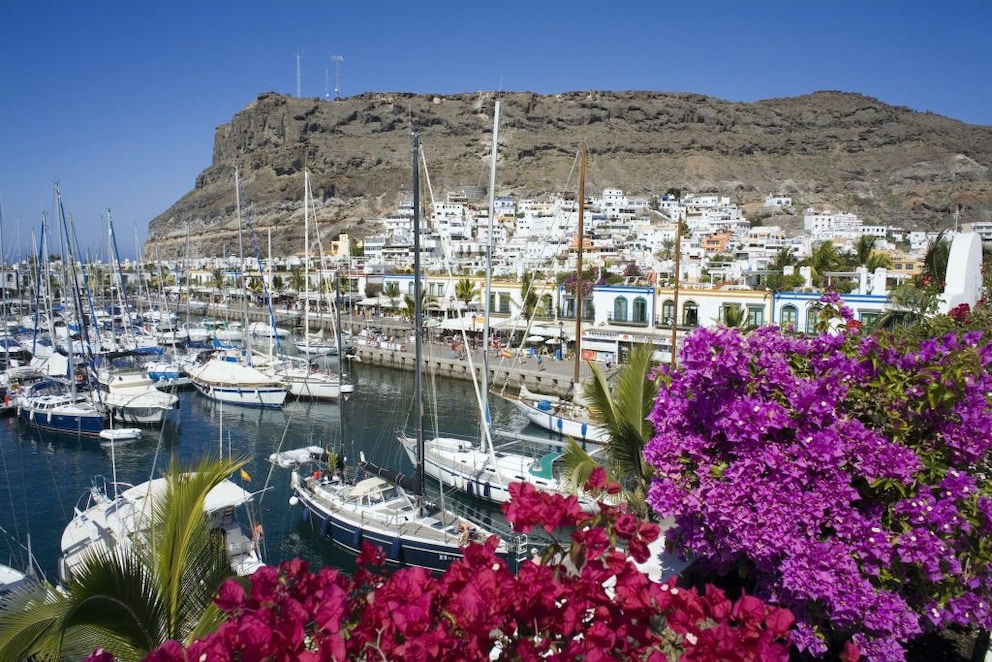
Puerto de Mogán – the “Venice of the Canaries”
What you should know: The “Costa Canaria” in the south of the island is heavily characterized by hotel high-rises. If you prefer something more romantic, Puerto de Mogán, the “Venice of the Canaries,” is the place to be. The quaint fishing village offers an ideal contrast to the bustling areas of Las Palmas and the island’s south. From here, the Yellow Submarine departs hourly for an underwater tour. So, if you ever get enough of the island paradise, you can simply dive in.