

April 8, 2026, 8:02 am | Read time: 4 minutes
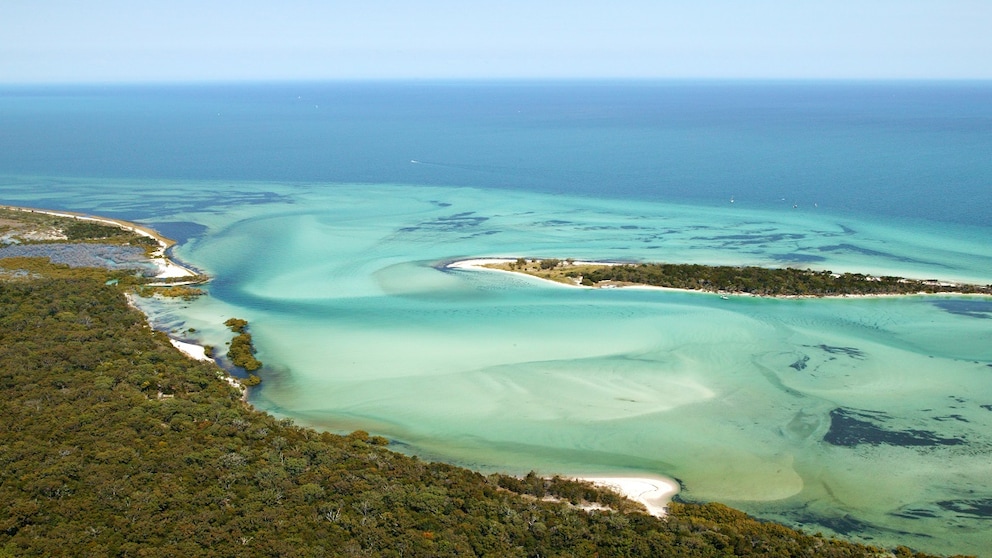
K’gari off the coast of Queensland, Australia, is in many ways a true dream destination for travelers “Down Under.” White beaches, clear lagoons, and even a rainforest await guests. However, the destination also has a rather eerie dark side. In international media, K’gari is repeatedly referred to as the most poisonous island in the world. This is due to some of its animal inhabitants.
A few kilometers from the coast of Queensland, Australia, separated only by the waters of the Great Sandy Strait, lies a place of unique beauty. International travelers may still know it as Fraser Island, but in the language of the Aboriginal people, it is called K’gari. Translated, it means paradise, and that’s exactly what visitors might feel when they visit the island. Yet, despite its proximity to the mainland, relatively few tourists visit each year. This is due to a superlative that sends a chill down one’s spine just by reading about it.
No, it has nothing to do with the fact that K’gari, according to WELT, is the largest sand island on our planet. At 1,840 square kilometers, it has twice the area of Rügen, yet only 200 people live here. It’s not because there is only one hotel in addition to camping options. And certainly not because of the 40 truly paradisiacal dune lakes that have formed here over eons in the midst of tropical rainforest. What keeps visitors from flocking here is a reputation that K’gari would probably love to shed. The 124-kilometer-long and only 25-kilometer-wide island is considered the most poisonous in the world.
Deadly Island Inhabitants
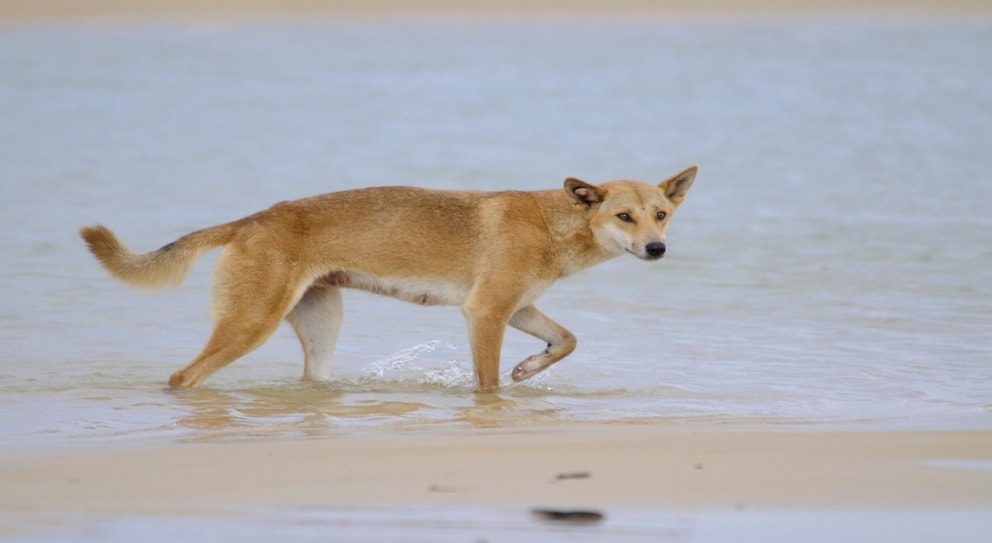
This is due to some of the animal inhabitants that can (unfortunately) be encountered here. Three of the ten most poisonous spider species in the world are native to K’gari. Not afraid of spiders? Unfortunately, there are also no fewer than four of the ten deadliest snakes on our planet. And as if that weren’t enough, dingoes, predators from the dog family, also inhabit the island. These can become extremely aggressive, especially when searching for food. Fleeing or hiding is of little help: Dingoes can swim, dive, and even climb trees.
Also interesting: Highly poisonous jellyfish species threatens Australia’s coast
None of this bothers you? Well, even the dream beaches of K’gari should be enjoyed with caution. As reported by TRAVELBOOK, the highly poisonous Irukandji box jellyfish has already been sighted here in the past. In 2017, an unfortunate encounter with the marine creature left four people so severely injured that they had to be hospitalized. The animal is particularly dangerous because it is barely larger than a thumbnail and thus virtually invisible in the water. Its stings cause severe pain and nausea and can also trigger heart attacks in older or sick individuals.
Danger in the Water
And as if all that weren’t enough, crocodiles sometimes appear on K’gari’s beaches. They don’t permanently inhabit the island or lay their eggs here, but according to the websites of several local tour operators, there have been sightings of these mega-reptiles in the past. Regularly, however, according to “Fraser Island Tours Australia,” sharks appear in the waters off the world’s most poisonous island, attracted by the large schools of fish in the shallow waters near the beaches. The website particularly warns against the dingoes.
BILD Reisen: Discover the best hotels on the North Island now!
There have already been numerous dingo attacks on tourists on K’gari, some of which have even been fatal. Particularly dramatic: The victims were mostly children, as their smaller size fits perfectly into the wild dogs’ prey pattern. Any luring or feeding of the animals is therefore strictly prohibited and, according to “WELT,” subject to exorbitantly high fines. But why do 600,000 visitors still come to K’gari each year despite all these dangers?

Also interesting: Queimada Grande in Brazil: The deadliest island in the world
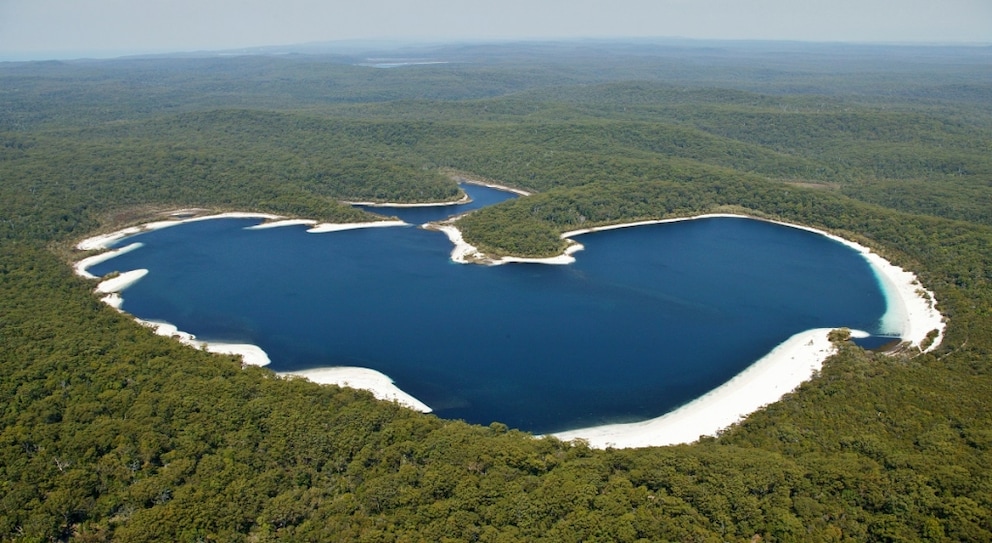
This may be partly because the island is surrounded by true dream beaches that would do justice to any photo calendar or Instagram profile. Inside the island, in addition to the rainforest with its trees up to 1,200 years old, there are also 40 stunning dune lakes waiting for swimmers. Splashing around here is risk-free and therefore particularly popular with K’gari’s visitors. Fit guests can also explore the island on the 90-kilometer-long Fraser Island Great Walk. Since 1992, it has been a UNESCO World Heritage site. It only regained its original name on June 7, 2023.