May 26, 2021, 4:17 am | Read time: 5 minutes
When thinking of diving vacations, most people imagine tropical islands or South Sea paradises, perhaps even southern Europe. However, there are truly spectacular diving spots right here at home, especially in lakes but also in the sea. Find out where you can dive particularly well here.
Who says you have to travel far to discover a fascinating underwater world? While you won’t find colorful corals or vibrant schools of fish in German waters, there are plenty of other exciting things to discover, such as shipwrecks, sunken planes, or flooded houses. The U.S. company Professional Association of Diving Instructors (Padi), the world’s largest diving training provider, has compiled six particularly spectacular diving spots in Germany.
The Best Diving Spots in Germany

Overview
Riesenstein Quarry, Saxony
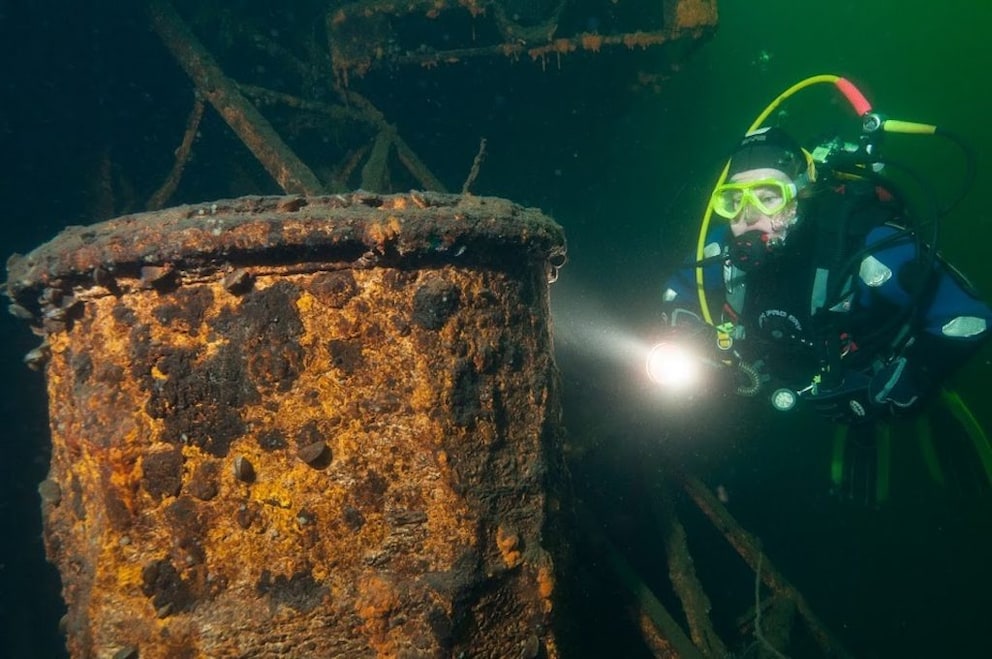
The Riesenstein Quarry is located in Meissen near Dresden and is 18 meters deep. “Floating, artificially created reefs are the perfect home and retreat for numerous fish, sponges, bryozoans, mussels, and freshwater polyps. Encounters with marine life such as perch, sturgeon, pike, eels, catfish, and crabs are another highlight of a dive in Riesenstein,” write the diving experts from Padi about the quarry. Additionally, divers can explore mining artifacts at the bottom. Overnight accommodations are available.
For more information, interested parties can contact the Riesenstein Diving Base or the Abyss Diving School.
Kreidesee Hemmoor, Lower Saxony
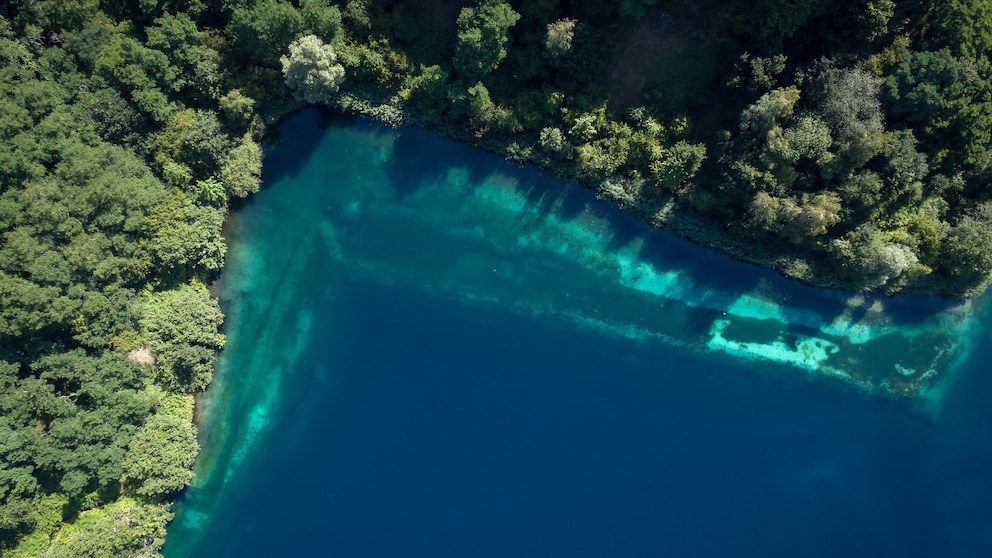
It is one of the most popular diving spots in Germany: the Kreidesee near Cuxhaven (see also the large photo above). Every year, more than 30,000 people from around the world visit the turquoise shimmering, 33-hectare lake, which is up to 60 meters deep. The site features a diving base, a campsite, and several vacation homes. Discoveries include a sunken plane, a plastic shark, and a truck. However, divers also frequently have accidents there. Read more about it here.
For more information, interested parties can contact Tauchen-Hamburg, Action Sport 7Oceans, or Dive Team Hamburg.

Lake Constance, Baden-Württemberg
Lake Constance is considered a paradise for divers, offering a lot of variety for both beginners and experienced divers. “Divers should definitely wear a cold-water suit, as the water cools down to as low as 10 degrees at a shallow depth,” recommend the diving experts from Padi. On the bottom of Lake Constance, divers can explore several shipwrecks, such as the paddle steamer “Jura,” which sank in 1864 after a collision with another ship. Particularly popular with experts is the Devil’s Table, a steeply sloping rock needle, of which only the top end is visible below the water surface at low water. However, divers need a special permit for the Devil’s Table, as the site is considered particularly dangerous and several fatalities have occurred there.
For more information, interested parties can contact diving schools such as Pro Marine and Dreams of Diving.
Süplinger Canyon, Saxony-Anhalt
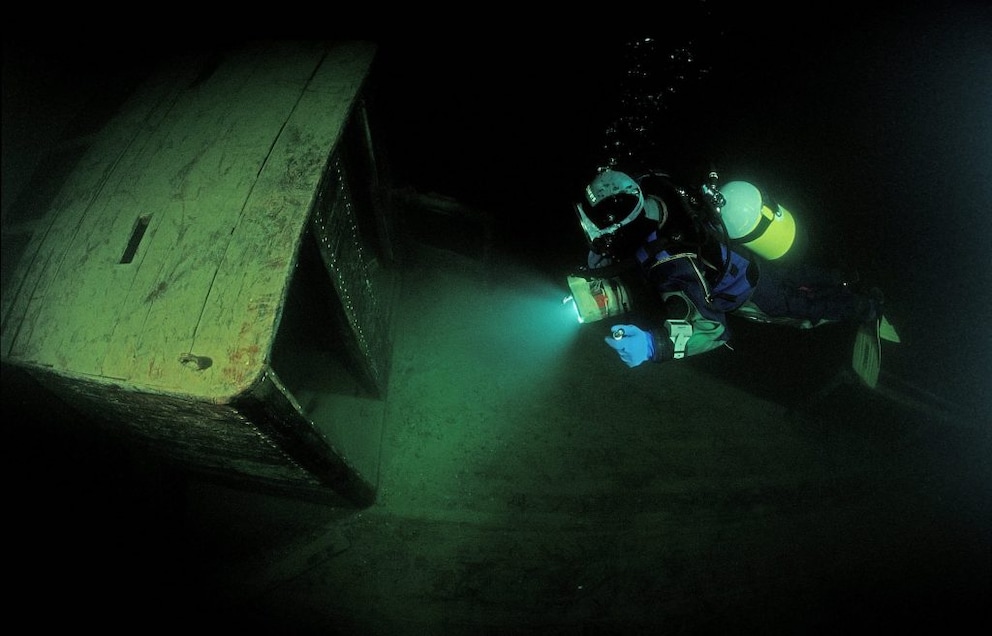
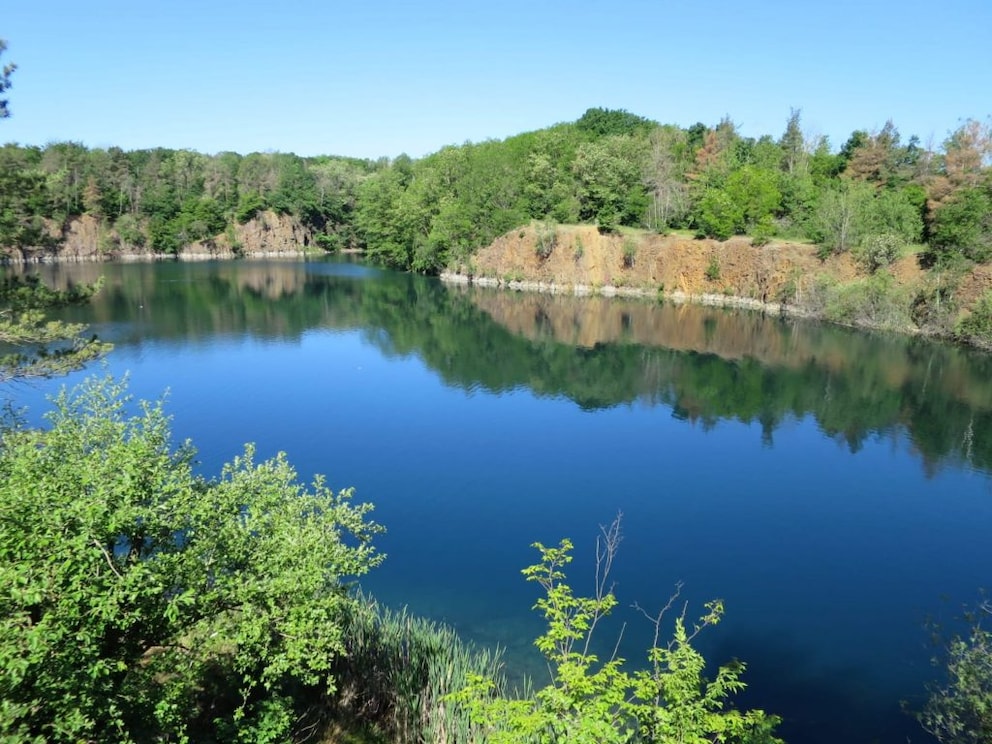
The so-called “Canyon” in Süplingen near Magdeburg is actually a former quarry. At the bottom of the lake, which offers good visibility year-round, divers can discover the wrecks of a sailing dinghy, an old construction trailer, and a motorcycle. The lake is leased by Kappi Divers, where divers can register in advance and obtain a day pass.
Baltic Sea Coast, Schleswig-Holstein and Mecklenburg-Vorpommern
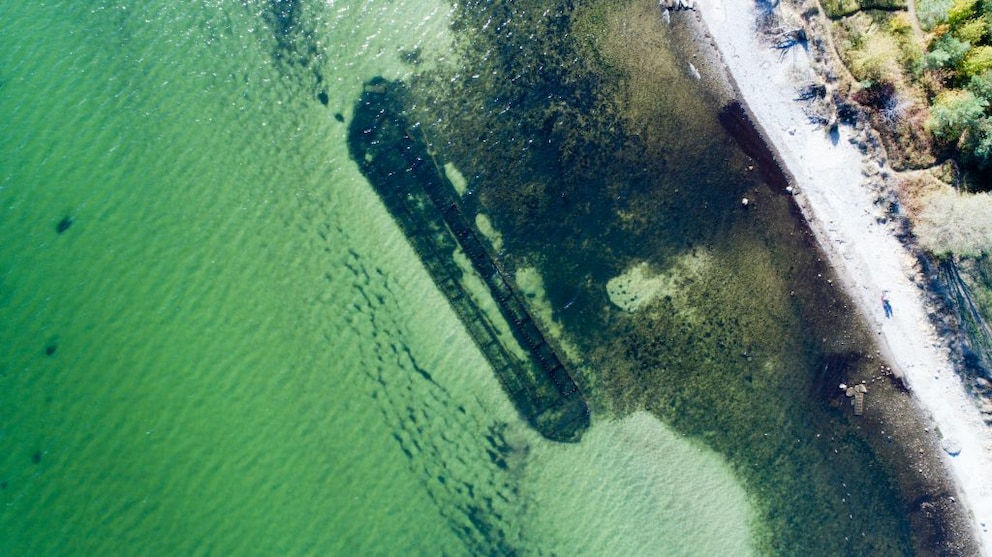
Along the Baltic Sea coast, there are various diving schools and popular diving spots in both Schleswig-Holstein and Mecklenburg-Vorpommern. There are many wrecks to discover, including cutters, freighters, ferries, naval boats, and even planes from World War II. The flora and fauna in the Baltic Sea are also quite remarkable, such as mussel beds, seagrass meadows, sea hares, pipefish, and monkfish.
For more information, interested parties can contact diving schools such as nicedive4u in Timmendorfer Strand, Tauchen Südstrand on Fehmarn, or the Baltic Diving Base in Kühlungsborn.
Walchensee, Bavaria
Walchensee is located 75 kilometers south of Munich and, with its maximum depth of 190 meters, is one of the deepest and largest alpine lakes in Germany. However, due to its depth, it is more suited for experienced divers, writes the diving organization Padi. “Divers should have at least the Advanced Open Water Diver certification and have completed a deep diving specialty course,” they advise. Discoveries include bizarre rock formations, sunken boats, and various fish species. Incidentally, Walchensee, on whose bottom a treasure lost during World War II is said to lie, is not only popular with divers. In 2019, it was voted Germany’s most popular swimming lake by TRAVELBOOK readers.
Dives in Walchensee are organized by Abc-Divers in Eching near Munich and Tauchsport Gläßer in Munich.