

August 12, 2025, 4:40 am | Read time: 5 minutes
During the last plague epidemic in England, which raged from 1665 to 1666, the residents of the village of Eyam became heroes. By voluntarily choosing quarantine, they prevented the widespread outbreak of the dreadful disease. The price was horrifically high: About one-third of the village’s residents died, and some families were completely wiped out. Yet, through their selfless act, the legend of Eyam lives on far beyond Great Britain to this day.
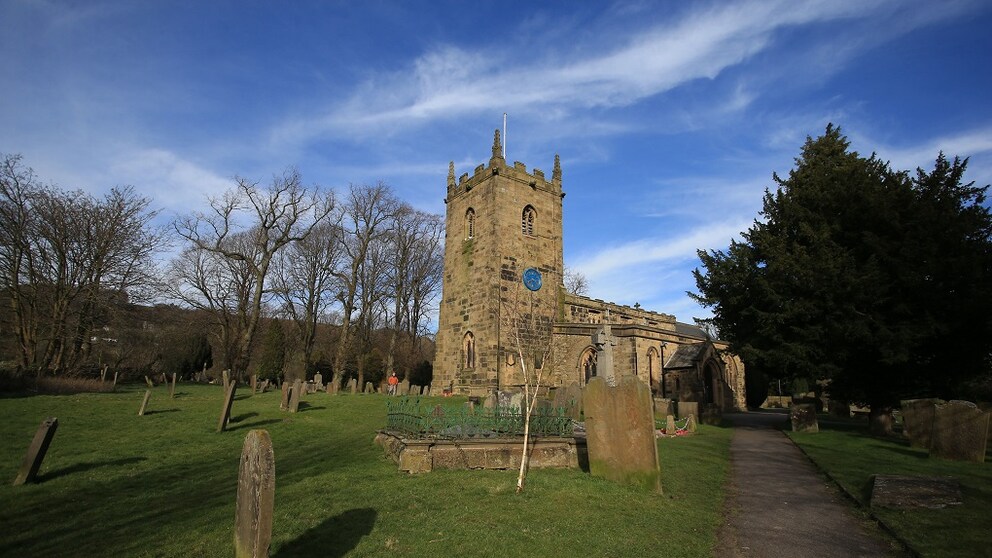
Today, if you visit the small English village of Eyam in the Peak District National Park near Manchester, you’ll find a picturesque little place. Venerable cottages, a beautiful church, a pub from the 1630s, surrounded by many green fields and hills. At first glance, little suggests that a story of unimaginable horror and superhuman heroism once unfolded here.
It is late August 1665 when hell breaks loose over Eyam, then a village of about 800 inhabitants. According to “Historic UK,” it arrives in the form of a package of cloth sent from the distant capital, London. Unnoticed, rat fleas, carriers of the dreadful Black Plague already raging in the metropolis, traveled with it. The rich and noble had long fled to their country estates, leaving the population to fend for themselves against the plague. A man named George Viccars briefly comes into focus, as he opens the package. Grace Day, an employee of the Eyam Museum, says to TRAVELBOOK: “Starved from their long journey, the fleas attacked the first available food source.” Thus, Viccars, merely passing through, becomes the first person in Eyam to contract the plague. His funeral takes place on September 7, 1665.
Revolutionary Measures
The plague is a terrible disease spread by bacteria. These enter the body of the infected, for example, through flea bites, initially causing the lymph nodes to swell. This leads to the formation of buboes, hence the often-used name bubonic plague. Fever, vomiting, and cramps can occur; people infect each other, and an epidemic breaks out. This is exactly what happened in Eyam. Of course, at the time, nothing was known about the disease and its possible spread here. Yet, in a collective decision, the people here finally made a choice that saved countless lives.
The two village clergymen, Thomas Stanley and William Mompesson, managed to persuade the residents of Eyam to undertake an unprecedented action. To prevent the further spread of the plague to neighboring communities, a wide quarantine belt was imposed around the village. No one was allowed to break through it, and signs warned people from the surrounding area of the deadly danger in Eyam. Other measures were equally foresighted: “They decided to hold mass outdoors from then on and to bury the deceased as quickly as possible where they had fallen.” But there was another problem. The village relied on supplies from outside to avoid starvation.
Entire Families Wiped Out
The Earl of Devonshire eventually agreed to deliver supplies to the southern border of the village during the quarantine for payment. The residents of Eyam tossed the payment into jars filled with vinegar, inadvertently demonstrating its disinfecting effect. But their heroic decision came at a high cost. By the time the plague was declared defeated in November 1666, 260 residents from 76 different families had died in horrific ways. Some clans were completely wiped out. The “BBC” also tells the story of a woman named Elizabeth Hancock. Within just eight days, she lost six children and her husband to the plague.
Nevertheless, there were hardly any attempts by the residents of Eyam to break through the quarantine belt. News of the “plague village” spread so quickly that the people from here couldn’t have gone anywhere else anyway. Thus, William Mompesson, the heroic priest, lived like an outcast in a new place after the epidemic ended. He had lost his wife, who often helped with the burial of the dead, during the epidemic. The success of Eyam’s quarantine was an important precedent in the history of medicine and the understanding of disease spread. Thus, the name of the village is forever etched in English history. Day: “There are still people in the village whose ancestors were survivors of the epidemic. It has been found that they all have a specific gene mutation that might have saved their lives.”
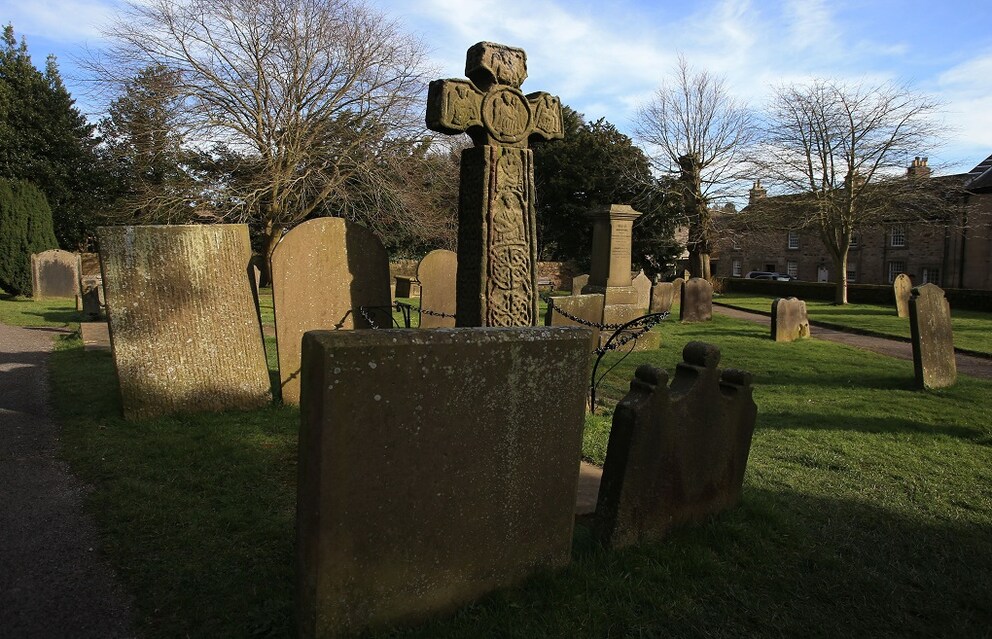
Today, if you visit Eyam, you can, according to the official website, still see the graves of a family that lost their lives to the plague. The boundary stone where villagers once placed vinegar-filled jars with money still exists. Notable sights include the church and a manor house that has been owned by the same family since 1672. At the local museum, you can learn all about the village’s history. In memory of the heroes of Eyam and their victory over the plague, a mass is still held annually on the last Sunday of August. Day says: “The village’s history and its unique charm make it a must-visit for anyone in Derbyshire who truly wants to absorb the atmosphere of the area.”