

December 10, 2025, 2:18 pm | Read time: 5 minutes
Where in the world do the fewest people live per square kilometer? This question is regularly answered by new statistics. TRAVELBOOK presents the ten least densely populated countries on Earth according to Statista.
Absolute tranquility—that’s what all the countries in the following list are likely to offer, as they are among those with the lowest population density worldwide. So, if you’re looking to vacation away from overcrowded mass tourism destinations and want to have nature all to yourself, you might find a potential travel destination here. Not all of these least densely populated countries on Earth are necessarily recommended as travel destinations without reservation, but they all promise an adventure for sure. Even if it’s just because of the unlikelihood of finding someone if, for example, your car gets a flat tire or you get lost.
Overview
In These 5 Countries, the Fewest People Live Per Square Kilometer
The following list of countries with the lowest population density worldwide is based on a recent statistic from the platform Statista, which cites the Department of Economic and Social Affairs of the United Nations, or UN DESA, as a source. The figures are from last year, as of July 1, 2024. TRAVELBOOK compares these figures with a second statistic from the World Bank from 2023.
Greenland
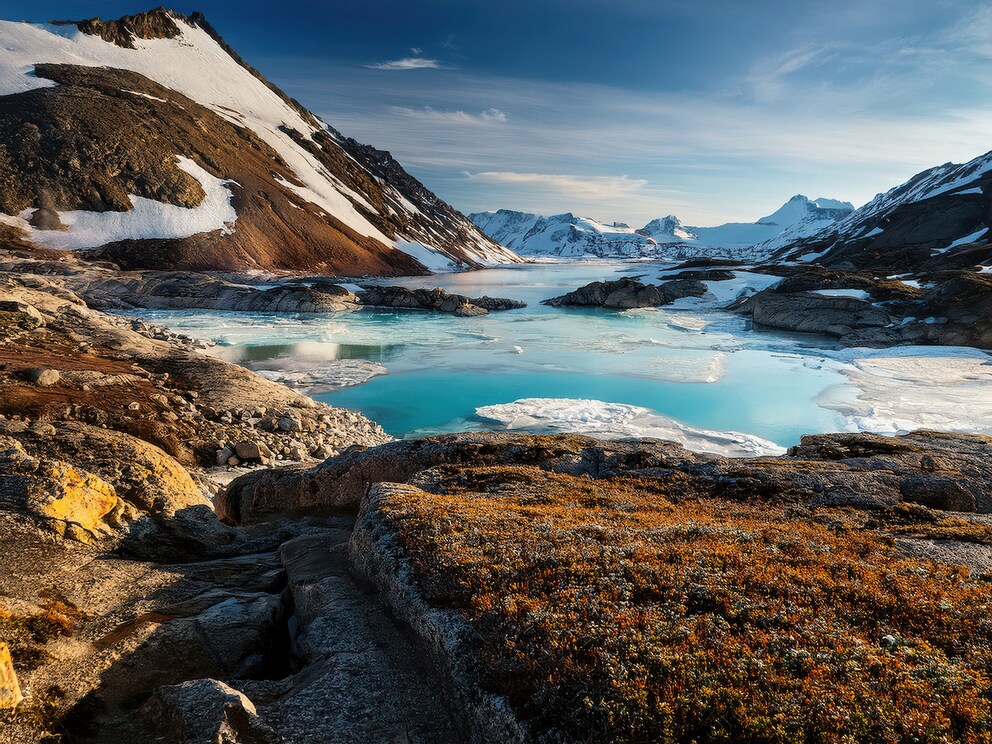
According to UN DESA, the country with the fewest residents per square kilometer is Greenland. The autonomous territory of Denmark is largely covered by ice and has about 57,000 inhabitants on an area of 2.166 million square kilometers. This means that on the vast ice island in the Arctic, about 0.03 people live per square kilometer (rounded up to 0.1 by Statista and rounded down to zero by the World Bank). Most Greenlanders have settled on the ice-free coasts, especially in the southwest of the country.
Western Sahara
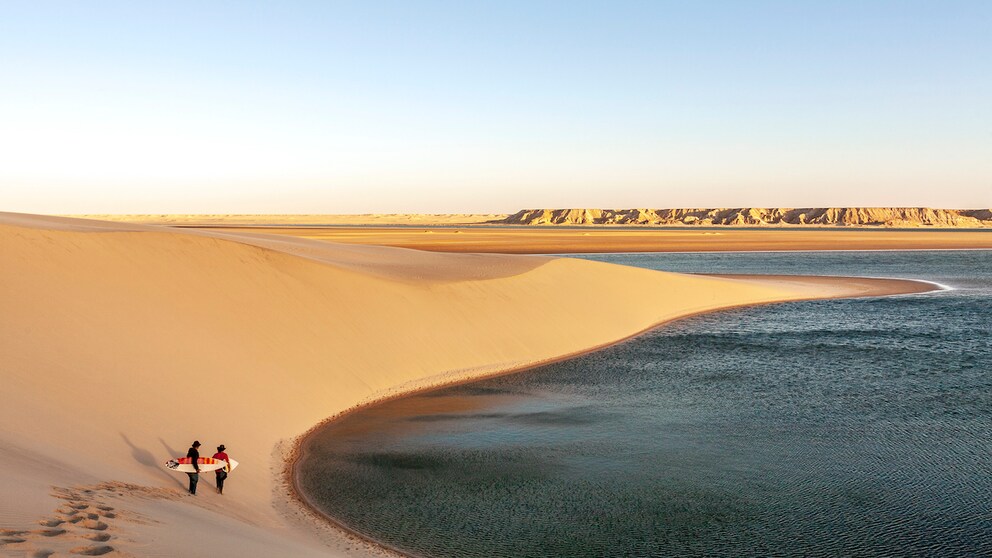
The country with the second-lowest population density cannot be straightforwardly called a country. Western Sahara is technically a territory whose legal status has not yet been clarified. “However, Western Sahara is officially recognized as a state by the African Union,” according to Statista. Additionally, the statistics also include territories not officially recognized by the United Nations.
Western Sahara is listed in the statistics with a population density of 2.2 inhabitants per square kilometer, and it does not appear in the World Bank statistics. The area on the coast in northwest Africa covers 266,000 square kilometers, with nearly 601,000 people living there, although this number is based on estimates.
Mongolia
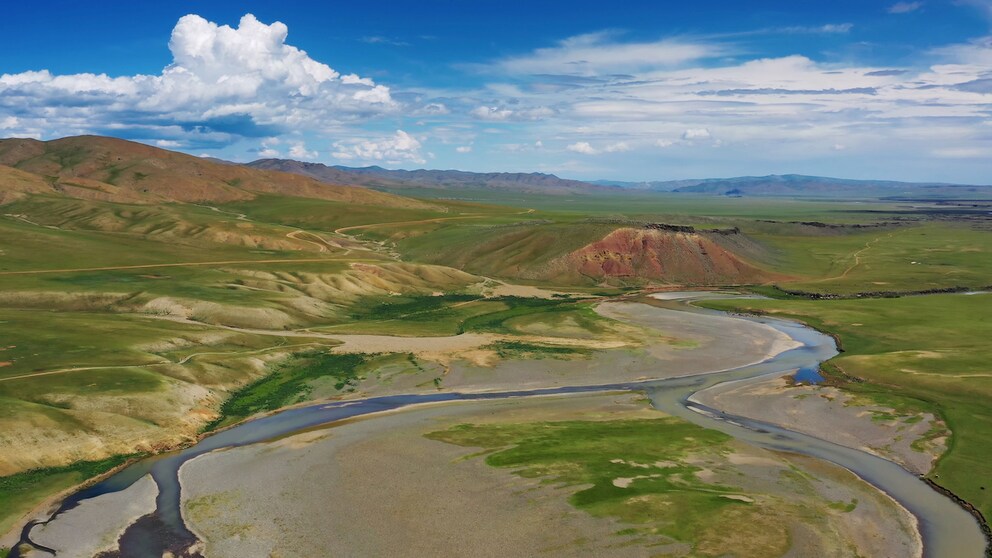
The next country listed by both UN DESA and the World Bank is Mongolia—technically the first fully sovereign state on this list. According to the Federal Foreign Office, 3.52 million people live there on an area of 1.6 million square kilometers. The Asian country, located between Russia and China and about four times the size of Germany, has a population density of about 2.2. Almost half of the people live in the capital, Ulaanbaatar. Besides urban life, nomadism remains a firm part of Mongolian culture.
Australia
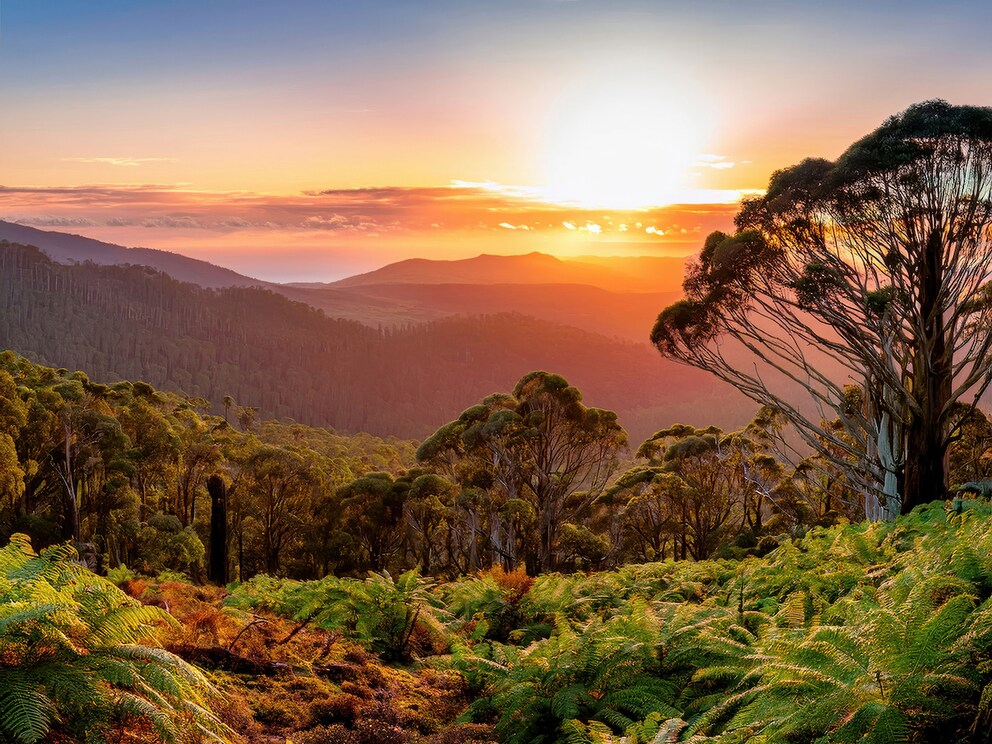
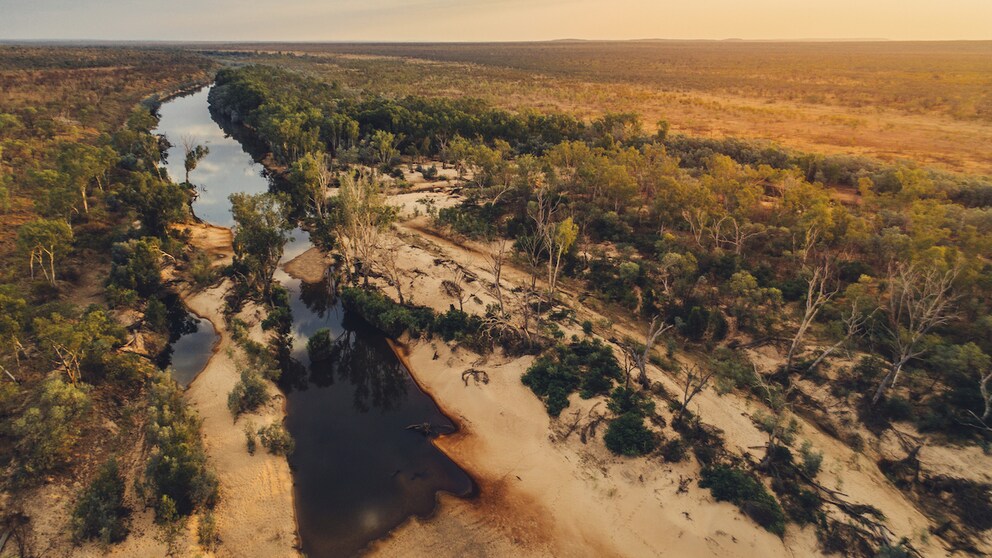
When moving through Australian metropolises like Sydney or Melbourne, Australia hardly feels like one of the least populated countries on Earth. However, when you leave the cities and coasts and head inland, you might not encounter another soul for hours. It’s no wonder that the Australian Outback remains a dream destination for many travelers who want to experience untouched nature undisturbed.
Australia covers an area of 7.688 million square kilometers. There are 27.2 million people living there, with Statista reporting that Greater Melbourne alone has 5.2 million, and Sydney also has more than 5.1 million. Australia’s population density is thus around 3.54 people per square kilometer, rounded to 3.5 by Statista and to 3 by the World Bank.
Namibia
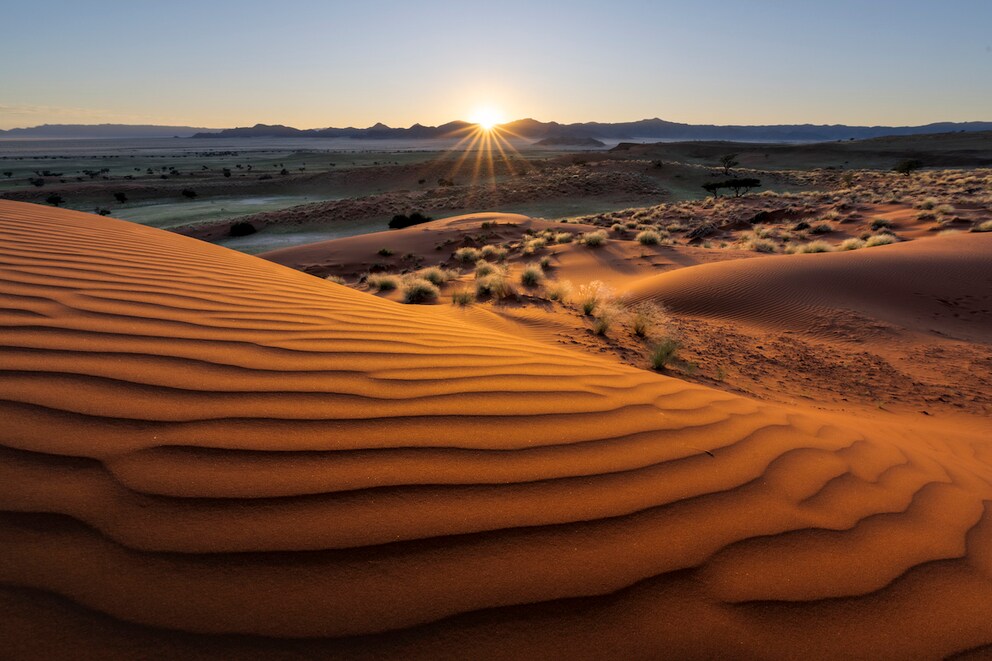
A popular African travel destination ranks fifth among the least densely populated countries on Earth: Namibia. The southwestern African country, which captivates visitors with its impressive Namib Desert and wildlife-rich Etosha National Park, is home to approximately 3.022 million people on 824,292 square kilometers. This gives Namibia a population density of about 3.67 (rounded to 3.7 by Statista and to 4 by the World Bank).
The 20 Least Densely Populated Countries on Earth According to Statista
In addition to the five countries or territories with the lowest population density presented earlier, the UN DESA statistics on Statista list 15 more. These are the 20 least densely populated countries on Earth*:
- Greenland (0.1)
- Western Sahara (2.2)
- Mongolia (2.2)
- Australia (3.5)
- Namibia (3.7)
- French Guiana (3.8)
- Iceland (3.9)
- Suriname (4.1)
- Guyana (4.2)
- Canada (4.4)
- Libya (4.4)
- Botswana (4.4)
- Mauritania (5)
- Niue (7)
- Kazakhstan (7.6)
- Central African Republic (8.6)
- Russia (8.8)
- Gabon (9.9)
- Bolivia (11.5)
- St. Helena (13.4)
*In parentheses: rounded inhabitants per square kilometer
Excluding non-sovereign states or countries, the list looks a bit different and includes Norway (15), Chad (15), Turkmenistan (16), and Saudi Arabia (16) according to the World Bank.