

February 4, 2026, 9:04 am | Read time: 6 minutes
Have you ever wondered which is actually the oldest city in the world? The answer takes us far back—to a time when people began to organize their lives permanently in one place. Long before modern states, transportation systems, or well-known metropolises emerged, these early cities laid the foundation for urban life as we know it today.
Determining the oldest city in the world remains unresolved. The reason lies in the definition: Is it about the earliest known settlement, continuous habitation, or a developed urban structure? Depending on the perspective, different places come into focus. What is certain, however, is that some cities are among the oldest in human history—and they tell stories that are still palpable today. Visitors to these cities are not just walking through streets and neighborhoods but through the beginnings of urban life itself. Below, we introduce seven cities that are among the oldest in the world.
Overview
Jericho – the Oldest City in the world?
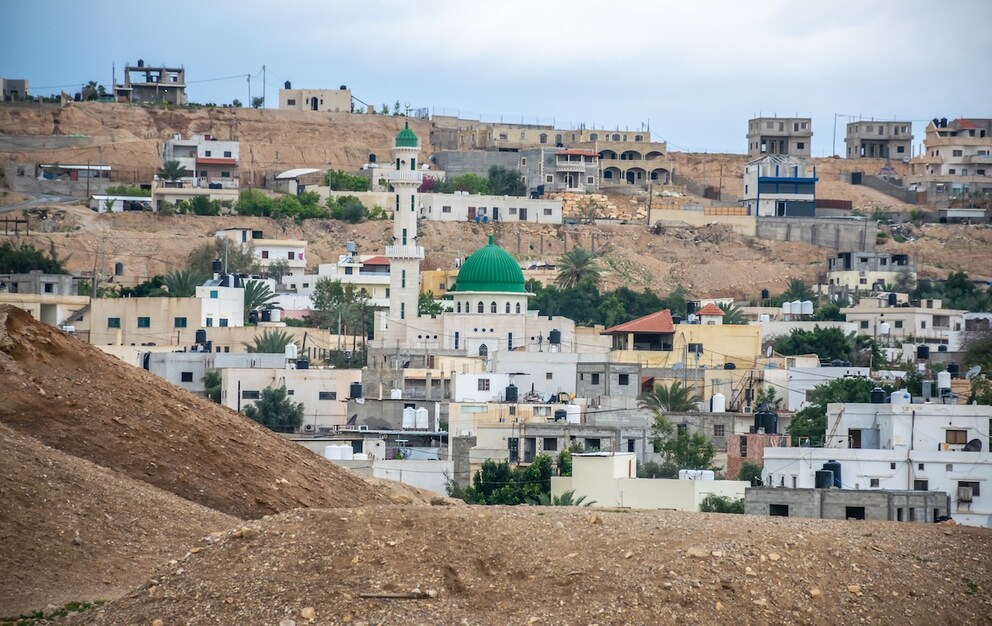
Jericho in today’s West Bank is regarded by many archaeologists as the oldest city in the world. The earliest settlement dates back to around 10,000 B.C. The earliest settlement traces are from the Neolithic period, when people began to settle, practice agriculture, and form permanent communities. According to UNESCO, Jericho was already a significant, permanent settlement by the 9th and 8th millennia B.C. This is evidenced by preserved monumental structures such as a wall with a ditch and a tower.
Jericho was strategically located near water sources and trade routes. Early on, fortifications were built here, including massive walls that are considered some of the oldest known city walls. Even though Jericho did not continuously exist as a classic city in today’s sense, the site was inhabited repeatedly over millennia—a crucial criterion in the debate over the title of the oldest city.
Damascus – Oldest Continuously Inhabited City
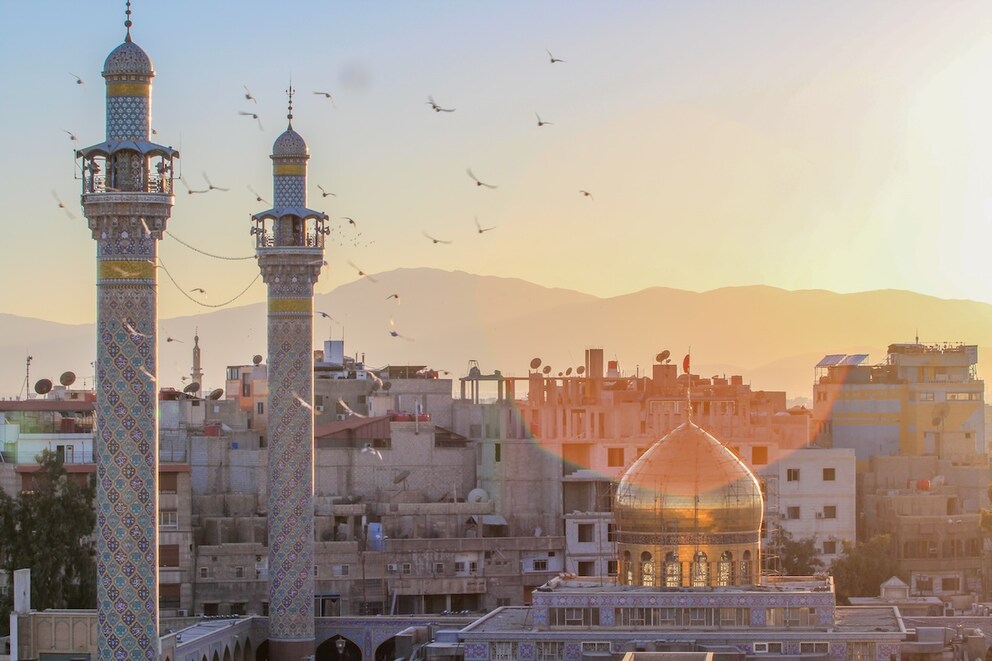
Damascus in Syria is often referred to as the oldest continuously inhabited city in the world. Archaeological findings suggest that the area was permanently settled 7,000 to 8,000 years ago. Unlike many other early cities, Damascus remained inhabited without long interruptions.
Early on, the city developed into a significant trade center between the Orient and the Mediterranean. This role shaped its development over millennia. To this day, the long history is visible in the old city, whose mosques, churches, and markets tell of the many cultures that have left their mark here.
Byblos – Center of Writing History
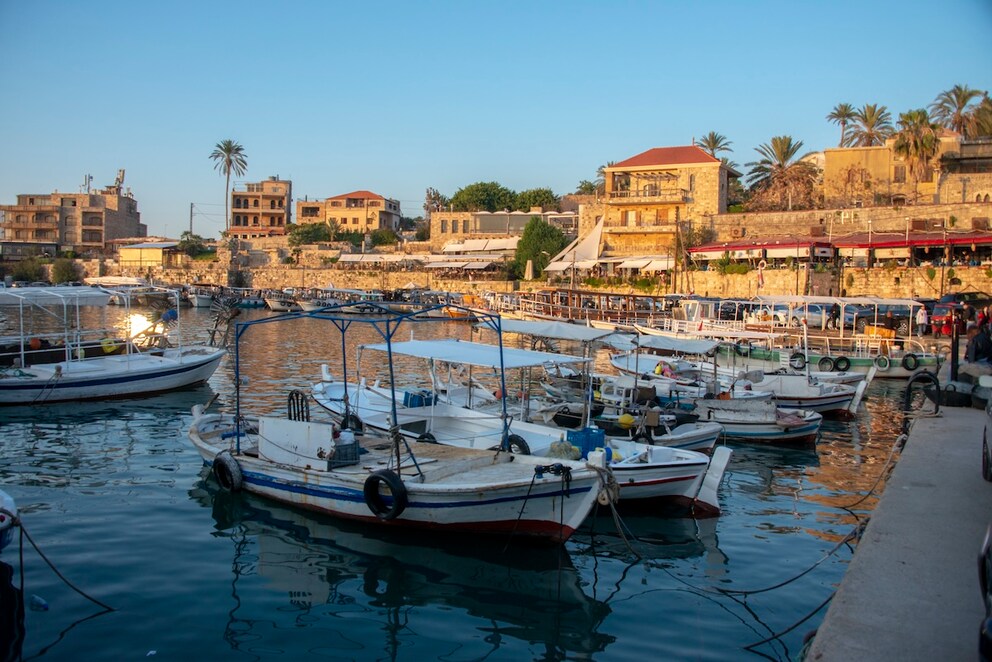
Byblos in today’s Lebanon is among the oldest cities in the world and was already settled around 5000 B.C. The city early on developed into an important port on the Mediterranean and played a central role in regional trade. Thus, it was a significant ancient trade center.
Byblos was particularly important for the trade of papyrus from Egypt. The Greek word “biblion” for book is derived from this economic sector. Byblos is thus considered one of the places where early forms of writing culture played an important role. The ancient ruins and the historic port still testify to this long past. The Phoenician port city was an important ancient trade center and is today a UNESCO World Heritage Site.
Uruk – Oldest True Metropolis
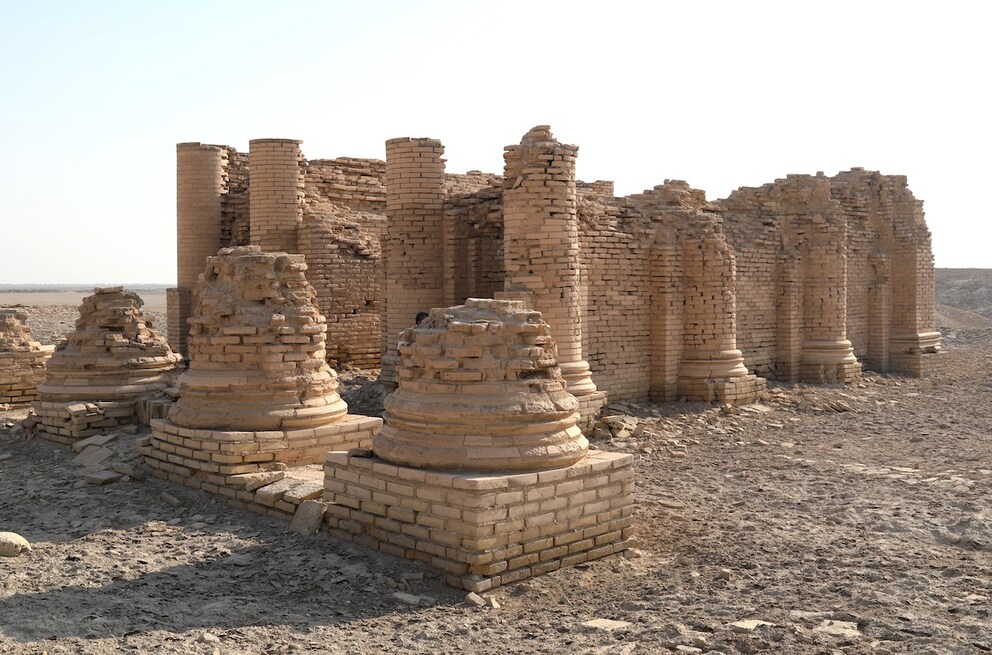
Uruk in today’s Iraq is considered one of the first true metropolises in human history, as reported by “National Geographic.” In the 4th millennium B.C., tens of thousands of people already lived here—an extraordinary size for that time. Thus, Uruk was the first to exceed the dimensions of earlier settlements and develop into a complex urban center.
In Uruk, early forms of administration, writing, and urban organization emerged. Cuneiform script, one of the oldest known writing systems, was developed here. Monumental temple complexes and public buildings demonstrate how organized urban life already was. Although Uruk today exists only as an archaeological site, the city is considered a milestone in urbanization and the origin of many concepts that still shape cities today.
Aleppo – Ancient Trade Center
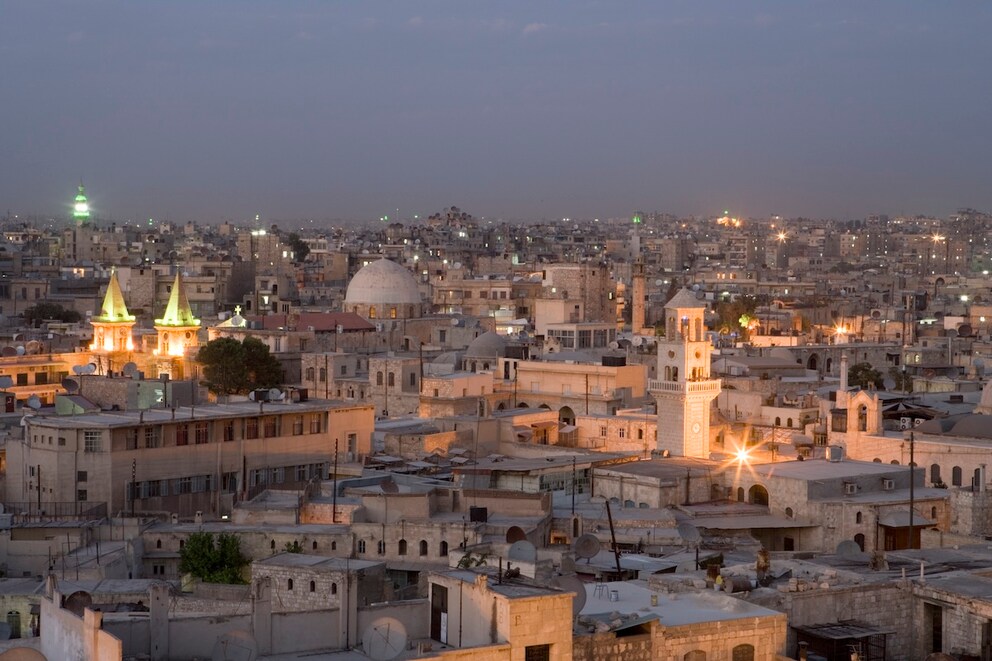
Aleppo in Syria is also among the oldest continuously inhabited cities in the world. Archaeological evidence suggests that the area was settled as early as 6000 B.C. Over millennia, Aleppo remained an important urban center in the Middle East.
The city was located on major trade routes between the Mediterranean and Mesopotamia, and early on developed into an economic and cultural center. This role left a lasting mark on Aleppo. The citadel, the old city, and the historic souks testify to the city’s long history and its significance as a place of trade and encounter. Despite severe destruction in recent years, Aleppo remains a symbol of the resilience of ancient cities and the deep-rooted urban life over many millennia.
Inhabited for 1,000 Years! The likely Oldest Settlement in the United States

The Oldest City in the Netherlands That Hardly Anyone Knows
Varanasi – One of the Oldest Cities in Asia
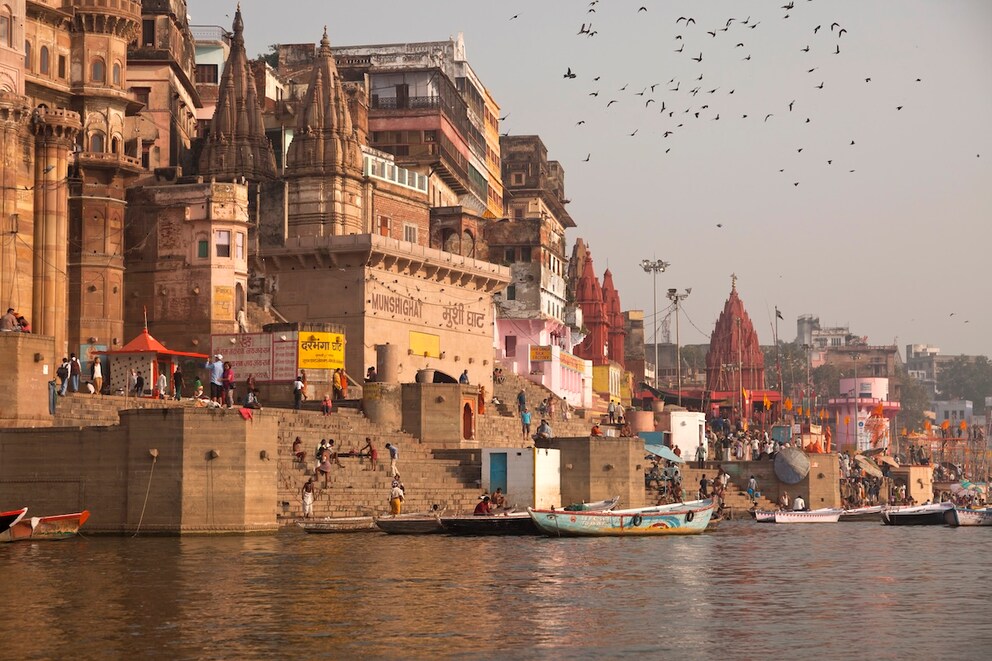
Varanasi in India is considered one of the oldest continuously inhabited cities in Asia. The city has existed for at least 3,000 years, possibly much longer. Its significance is closely linked to religion and spirituality and dates back to the early high cultures of the Indian subcontinent.
As a holy place of Hinduism, Varanasi still attracts pilgrims from all over India. Rituals on the banks of the Ganges, temples, and millennia-old traditions shape everyday life. Especially in the early morning and evening, when ceremonies take place by the river, the spiritual significance of the city becomes palpable. Varanasi is also known as the “holy city of death” because for centuries, urns were burned on the banks of the Ganges, and even today, many families perform their last rites here—a facet that makes up the city’s unique cultural depth. Unlike many ancient cities, Varanasi is not a museum but a vibrant place where past and present meet directly.
Plovdiv – Europe’s Oldest Inhabited City
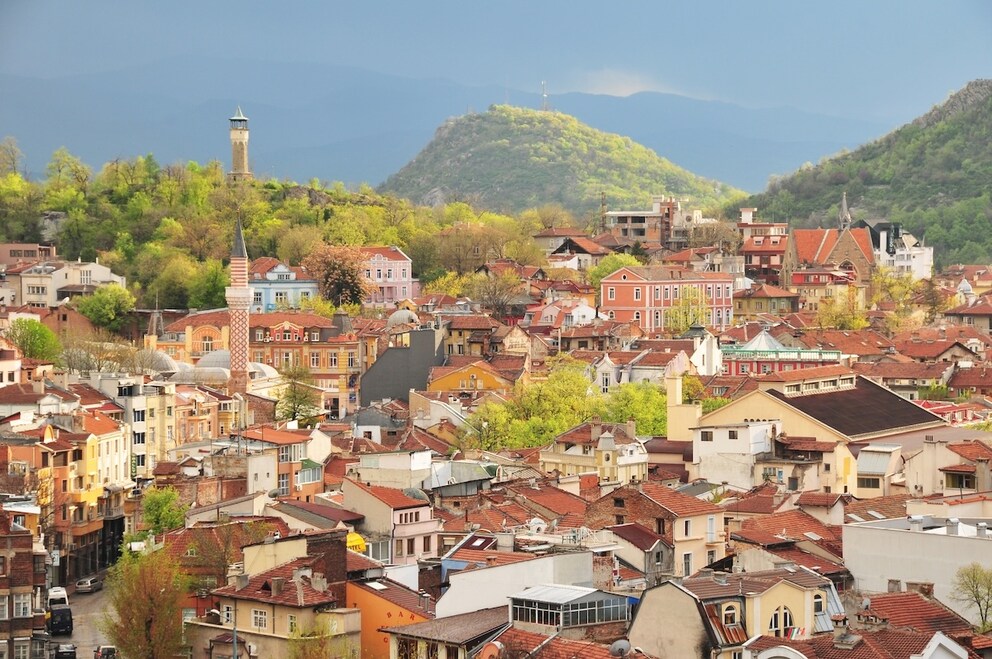
Plovdiv in Bulgaria is often referred to as the oldest continuously inhabited city in Europe. Archaeological findings confirm settlement for around 6,000 years. Like Rome, the Bulgarian city was once built on seven hills, which still shape the cityscape today. It has also become famous for its literary tradition.
Over the millennia, Plovdiv was under Thracian, Roman, Byzantine, and Ottoman influence. These layers of history are still visible, such as in the Roman theater or the historic old town. Plovdiv impressively shows how European cities have evolved over millennia.