

July 30, 2026, 8:47 am | Read time: 4 minutes
Just stay where you like, spend the night in the middle of nature, and always have your home with you: Camping has quite a few advantages and is the most beautiful way to travel for many people. The good thing is, you often don’t have to travel far to reach unique areas. One of the most beautiful camping regions that our neighboring country, Poland, has to offer is the Kashubian Switzerland. What makes it so special, you can read here.
Where Is the Kashubian Switzerland?
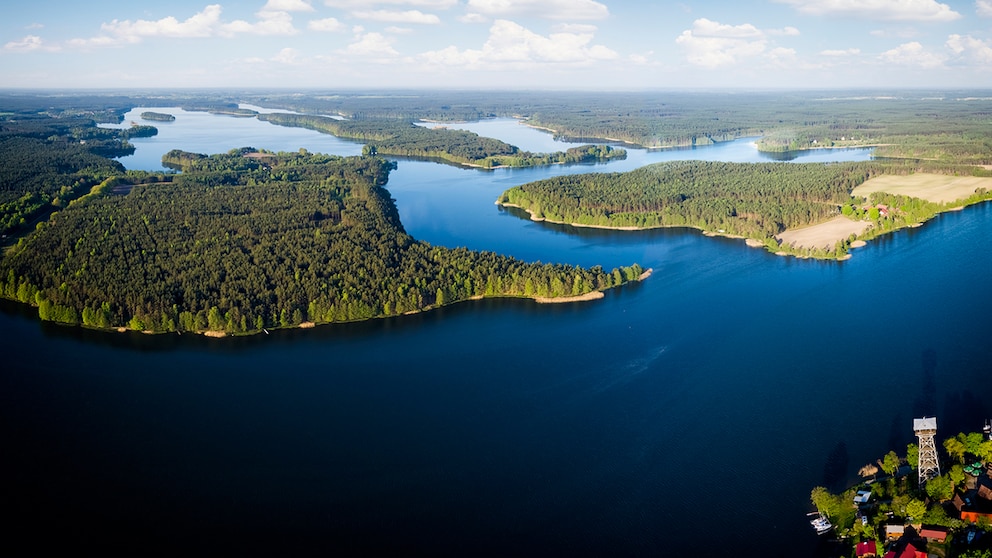
The Kashubian Switzerland is located in the Kashubia region. The landscape was formed by glacial ice ages. There are around 250 lakes connected by canals. The region is considered one of the largest contiguous forest areas in Poland—it’s about 40 kilometers to Gdansk.
The highest elevation is Mount Wieżyca at 329 meters, which also represents the center of the Kashubian Switzerland. According to the Polish Tourist Office, the name Kashubian Switzerland was coined by German tourists in the 19th century. The reason is the landscape, as it reminded vacationers of Switzerland. For example, one of the largest lakes in the region, Lake Ostrzyckie, was compared to Lake Lucerne in Switzerland.
Also interesting: This Region in France is a Hidden Gem for Campers
The Auvergne in France is Europe’s Best-kept Secret for Campers
Åsnen in Sweden is a True Insider Tip for Campers
What to see in the Kashubian Switzerland
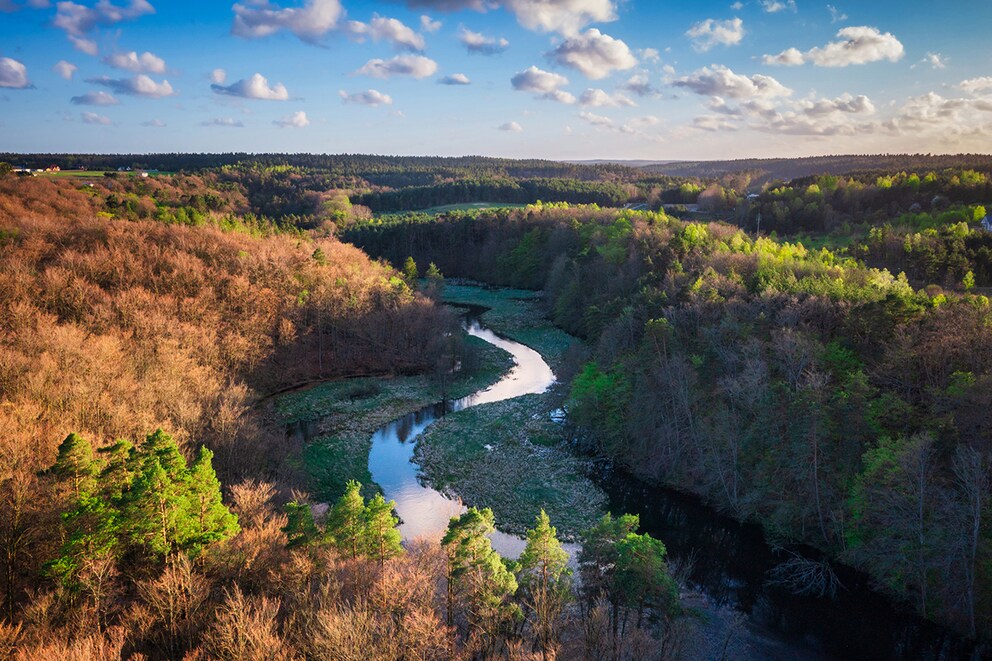
Nature lovers will find this region of Poland to be a paradise. There are numerous designated routes for cyclists, and the terrain has only a few inclines, making it perfect for an extensive bike tour.
In the Kashubian Switzerland, numerous lakes are connected by the Radunia River and its tributaries. This allows for long kayaking trips. According to the Polish Tourist Office, the popular route from the village of Stężyca to Lake Lubowisko passes through the most beautiful part of Kashubia. The route is about 40 kilometers long, and along the way, you can stop, camp, or simply enjoy nature.
The highest mountain in Kashubia is Wieżyca and is definitely worth a visit. On the summit, there is a 35-meter-high observation tower. From there, you have a picturesque view over the forests and lakes that wind through the landscape.
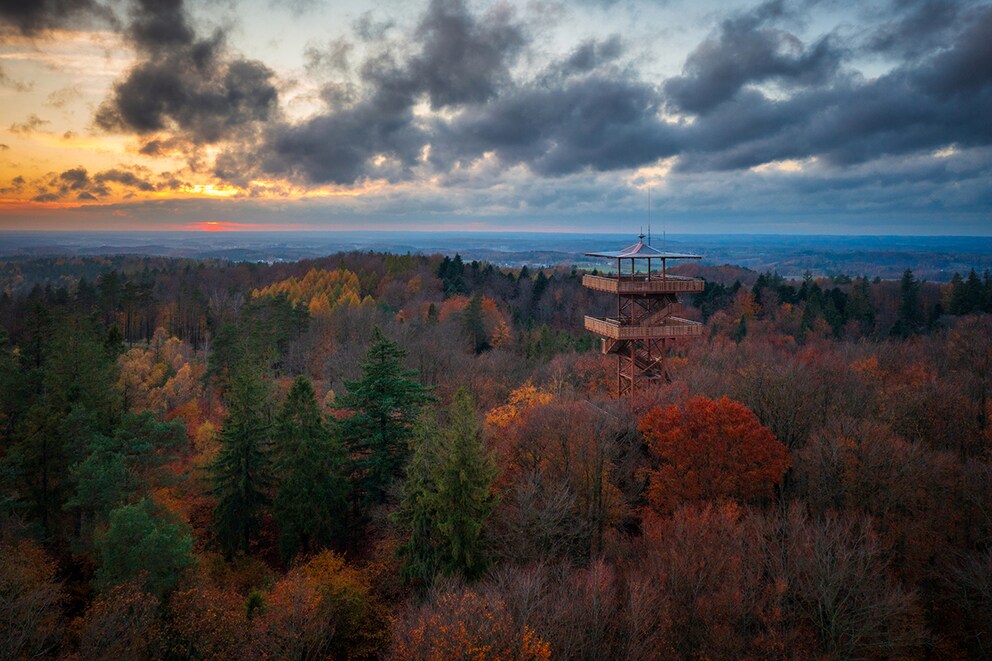
If you want to get acquainted with the culture of the Kashubians, you should visit the open-air museum in Wdzydze Kiszewskie. There are more than 50 historical buildings such as farms, noble mansions, old schools, windmills, and inns that can be visited.
Especially for families, the Center for Education and Promotion CEPR in Szymbark is worth a visit. It is a mix of a museum, cultural, national, and amusement park and offers numerous activities for young and old. For example, there is an old bunker to visit, which houses an exhibition. There is also the Kashubian Fairy Tale World, where you can learn all about Kashubian legends and stories. Particularly popular with visitors is the Upside Down House—a house that stands on its head, with everything inside also turned upside down.
A Real Insider Tip for Campers
For camping enthusiasts, Kashubian Switzerland is still a real insider tip. There are some campsites that are particularly idyllic, located right in the middle of nature and directly by the lake. After spending the night practically in your own four walls, you can start directly in nature the next morning—with a kayak or bike tour or a short hike. The proximity to the sea is also a big advantage. Campers can quickly make a detour to the coast.
However, it is important to know that in Poland, you generally cannot camp wild, but only on designated campsites. However, you can also ask for permission from the forest owner or landowner—with a bit of luck, you can then set up your camp. Additionally, there is an online map that shows where you are allowed to camp in the forest.