

July 25, 2026, 11:26 am | Read time: 6 minutes
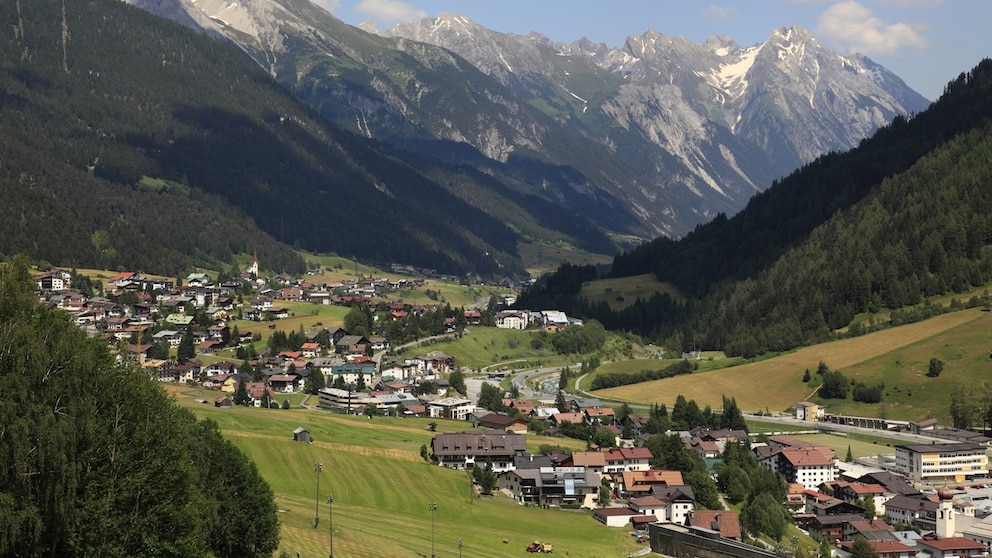
Most people know St. Anton am Arlberg only as a winter sports hotspot–but there’s so much more: green alpine meadows, crystal-clear mountain lakes, spectacular bike tours, and gourmet cuisine that you simply have to finish. It’s a region many still associate solely with ski vacations, which, as TRAVELBOOK author Nina Ponath finds, is underestimated.
St. Anton? For a long time, it was just the place I knew from après-ski hits. I vaguely knew it was considered one of the most famous ski areas in the Alps. The “Ski Club Arlberg,” founded here in the early 20th century, is regarded as the cradle of alpine skiing. From there, the “Arlberg ski technique” developed by ski pioneer Hannes Schneider spread worldwide, and the Galzigbahn, one of the first modern cable cars in the Alps, was built in 1937.
Today, the town in western Tyrol attracts winter sports fans from over 50 nations every year. The region recently made headlines again in sports when it was announced that freeriding–spectacular skiing off-piste–is to become an Olympic discipline. The current world champion is from Tyrol.
So, there are many reasons to know the area around the Arlberg. However, I had experienced very little of it until now. My friend and I stumbled upon the idea of adding a trip to St. Anton am Arlberg to a short trip to Vienna. What we discovered there can easily compete with skiing, in my opinion.
The Arlberg in Summer
“Tyrol was already a classic summer destination,” our guide Yannick Rumler tells us at the beginning of our stay. In fact, long before the big ski boom of the last century, people seeking relaxation came here for the fresh mountain air and the impressive nature.
It was only with the winter tourism of the 1970s and 1980s that St. Anton became synonymous with skiing worldwide. This has somewhat overshadowed the summer–unjustly so, in my opinion. As the snow cover gradually disappears, blooming alpine meadows, whispering mountain streams, and hundreds of kilometers of hiking and biking trails emerge.
Bike & Hike: Perfect Combination in Abundance
In recent years, I’ve discovered a new sport: Bike & Hike. The idea is a combination of hiking and cycling. You cover the first part of the route comfortably with an e-bike, reaching new places that would otherwise require kilometers of walking and that you probably wouldn’t reach with a non-motorized bike. This saves you strenuous elevation gain, and you start the hike further up toward the summit.
This works exceptionally well in Austria. The country is a pioneer in e-biking in Europe, and the infrastructure is correspondingly good. Around St. Anton, there are numerous rental stations and marked tours.
We particularly enjoyed the route to the Konstanzer Hütte, which runs comfortably along the Rosanna, or the tour into the Verwall Valley, where you repeatedly pass small streams and alpine pastures. Instead of walking up forest roads for hours, you have much more energy left for the actual summit ascent.
Hiking Suddenly Becomes Really Fun
A few years ago, I wouldn’t have believed I’d ever write this sentence: I love hiking!
The natural spectacle, the slight burn in the legs, the feeling of having “accomplished” something–wonderful. The trails are varied, the landscape constantly changes, and a new panorama awaits around every corner.
We were on tours with 400 to about 1,000 meters of elevation gain. It’s quite challenging–just the right mix of physical challenge and enjoyment of nature. Depending on the route, you can burn up to 900 calories. By evening, this ensures you can enjoy the multi-course menu without guilt and with a real appetite.
Food Tastes Twice as Good After an Active Day
Speaking of food: dumplings in all variations, spicy cheese spaetzle, Kaiserschmarrn, apricot dumplings, fresh salads, and regional products–there’s really not much more to say about Austrian cuisine.
What I particularly noticed, though, is that after several hours on the bike or in the mountains, everything tastes just a bit better.
Many huts now focus on regional ingredients and traditional recipes. That’s what makes the charm. Instead of over-the-top gourmet cuisine, you get honest food that perfectly matches a day in the mountains.
Rarely Do You Arrive in the Alps So Relaxed
As someone from Hamburg, I had known St. Anton for a long time–though more by name than from personal visits. The journey is surprisingly uncomplicated.
The St. Anton train station is directly on the important Westbahn line. Numerous long-distance trains connect the town with Germany, Austria, and Switzerland. Those coming from Hamburg, Hanover, or Munich can often travel without changing trains. For me, this is now one of the region’s biggest advantages: no winding passes, no long car rides–just step off the train and be right in the mountains.

Vacation in Austria–The Perfect Destination for Everyone
Austria Vacation–The Perfect Destination for Everyone
Mountain Lakes Are the Perfect Refreshment
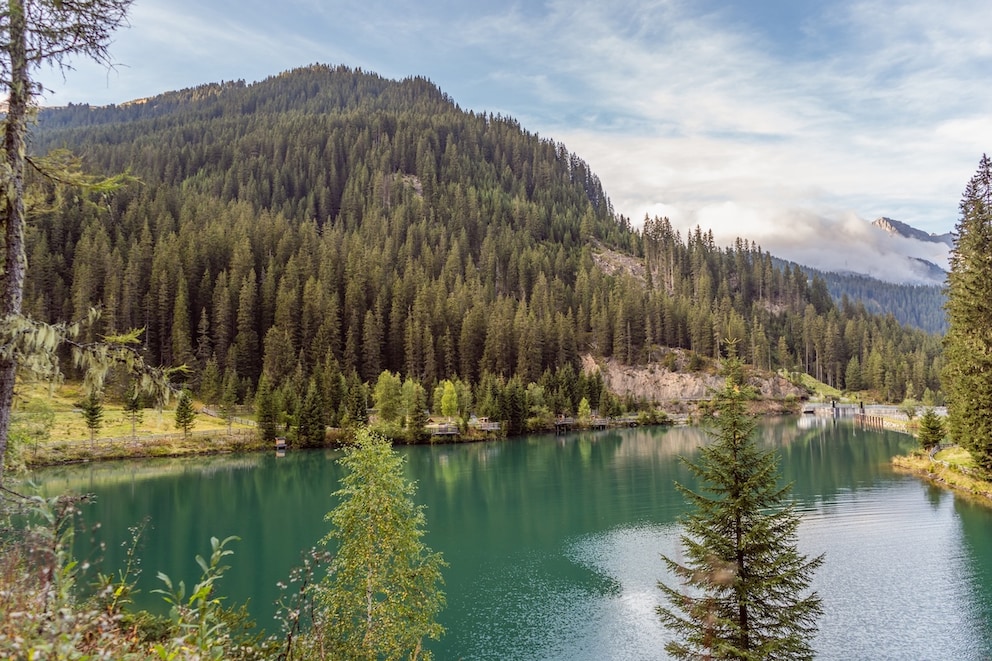
After a sweaty hike, there’s hardly anything better than a dip in cold water. Around the Arlberg, there are several crystal-clear mountain lakes, such as the Verwallsee, which shimmers with turquoise water against an impressive mountain backdrop. The Kartellsee is also beautiful, lying a bit more hidden and almost resembling a small mountain fjord.
Of course, swimming takes some courage. Even in midsummer, the temperatures remain pleasantly fresh, giving you a “Kneipp course” feeling. But after a few seconds, the cold is forgotten, and you feel full of energy again.
Here You Realize How Valuable Nature Is
“Look, an orchid.” I had to look twice when our hiking guide suddenly pointed to an inconspicuous plant by the roadside. Indeed, numerous native wild orchids grow around the Arlberg–more than 60 orchid species have been recorded in Tyrol, many of which are strictly protected.
Soon after, we spotted marmots disappearing between the rocks. We repeatedly heard their typical whistles echoing across the alpine meadows. It’s encounters like these that make hiking so special for me now.
Overall, I get the impression that people here treat their nature with great respect. It fits that parts of Tyrol participate in the so-called “KLAR!” program. The funding program (“Climate Change Adaptation Model Regions”) supports communities in preparing early for the consequences of climate change–with projects for nature protection, water management, or adapting to increasing weather extremes. The goal is to make people, the economy, and the landscape more resilient in the long term. This forward-thinking approach to the Alps was evident throughout our stay–and makes the Arlberg not only an impressive but also a forward-looking summer destination for me.
Perhaps St. Anton am Arlberg will always remain a winter sports destination for some. All the better for me: Then I have the most beautiful sides all to myself.