January 27, 2026, 4:33 pm | Read time: 5 minutes
The world’s most remote airports are not located in industrialized countries like Germany, but in rather remote regions with limited access. They are often far away from the nearest major cities and transportation hubs. However, often they are the only way to reach certain destinations. Find out more at TRAVELBOOK.
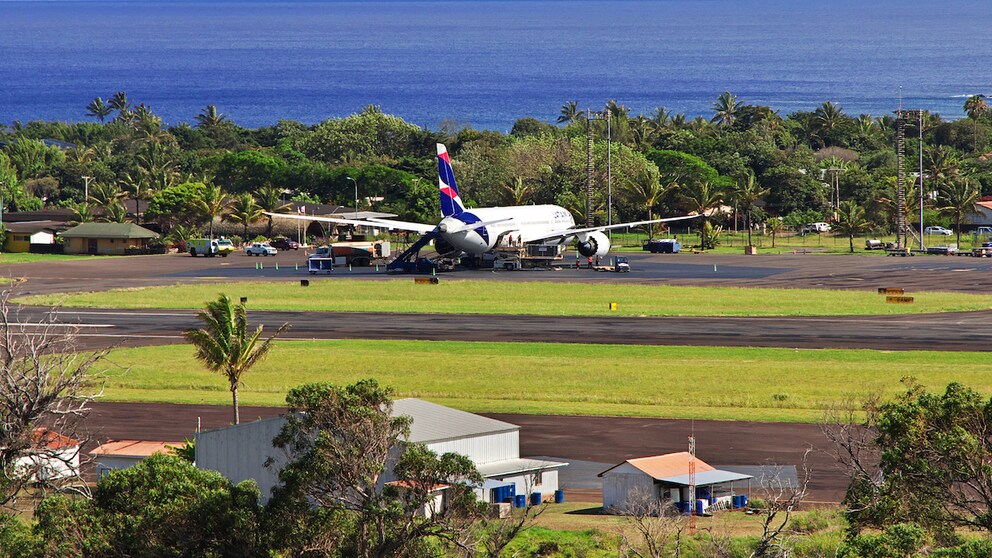
It starts with an airport on Easter Island, which is geographically part of Polynesia, one of the most isolated inhabited islands in the world. Famous for its mysterious Moai statues and untouched nature, it attracts many explorers. But if you want to explore it, you have to put up with a long journey. This is usually via Mataveri Airport, the only commercial airport on Easter Island. It is also the most remote airport in the world.
Easter Island Has the Most Remote Airport in the World
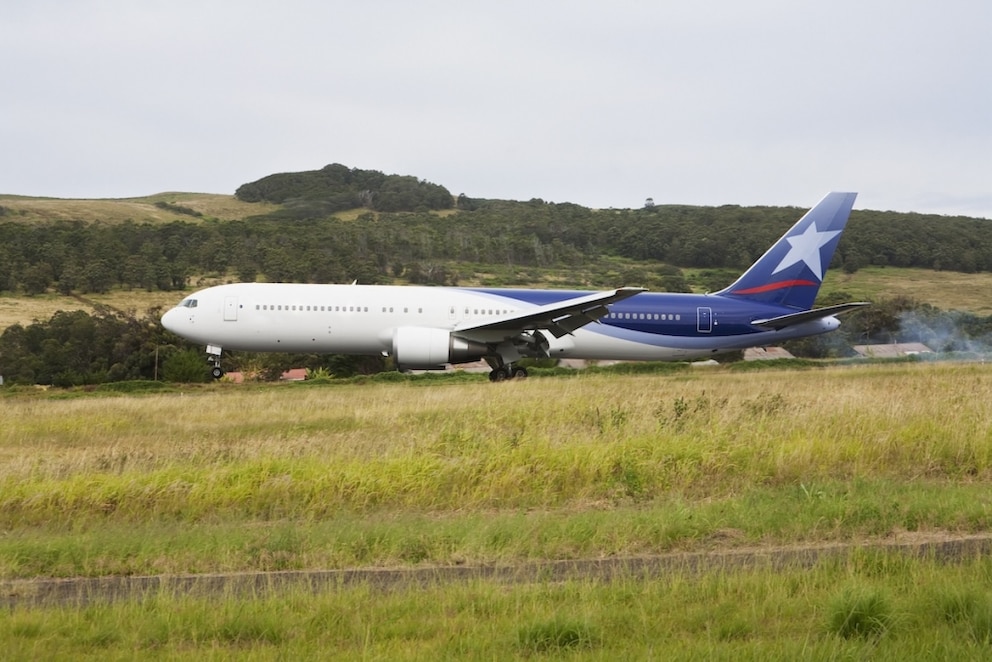
There are only direct flights to Easter Island from Chile. Travelers must make a stopover in Santiago de Chile, the capital of the South American country. From there, the Chilean airline Latam Airlines offers daily direct flights. The flight takes around 5.5 hours—another sign of the island’s remoteness. If you are traveling from Germany, you should plan for a mammoth journey time of 36 to 38 hours.
Interesting fact: On the initiative of NASA, the runway at Mataveri Airport was extended to around 3300 meters. Today, regular air traffic benefits from this measure. According to archive articles from the news agency UPI, the airport was once intended as a potential emergency landing site for space shuttles—a scenario that never materialized.

The World’s Most Isolated Cities

These 6 Airports Hold World Records
Another One of the Most Remote Airports in the World: St. Helena
The Atlantic island of St. Helena is also home to one of the most remote airports in the world. Located 1859 kilometers from Africa and 3286 kilometers from South America, the island is one of the most isolated places on earth. It was not without reason that Napoleon was exiled there and held prisoner until his death. Together with Ascension and Tristan da Cunha, St. Helena remains one of Britain’s most remote overseas territories to this day. For a long time, the island was only accessible by ship—it has only had its own airport for a few years.
The clocks tick a little slower on St. Helena. The approximately 4,500 inhabitants (as of 2021, according to the official population and housing census) live mainly from fishing. The island has only had a mobile phone network since 2015 and was largely ignored by tourists for a long time—mainly because it was so difficult to reach. Until a few years ago, a mail boat from Cape Town only called at the island every three weeks. A private crossing could cost up to 3600 euros per person.

Since 2017, the journey has become a little easier—since then, St. Helena’s airport has finally been in operation. There were several reasons why it did not open sooner, and the opening even had to be postponed. Above all, the harsh island climate with strong winds and changeable weather conditions poses a considerable risk to air traffic. In addition, the infrastructure is limited, both for international air traffic and for the supply of goods such as food, building materials, and medicines. Aircraft require special adaptations, and there are only a few direct connections. These various characteristics make the airport one of the most remote and challenging travel options in the world.
There is still no sign of a major travel revolution on St. Helena—although residents had hoped for a greater influx of visitors with the opening of the airport. There are only direct flights from a few airports, mainly from South Africa. This is probably one of the reasons why the volcanic island is still not a tourist magnet.
The Northernmost Airport Is Also One of the Most Isolated Airports in the World
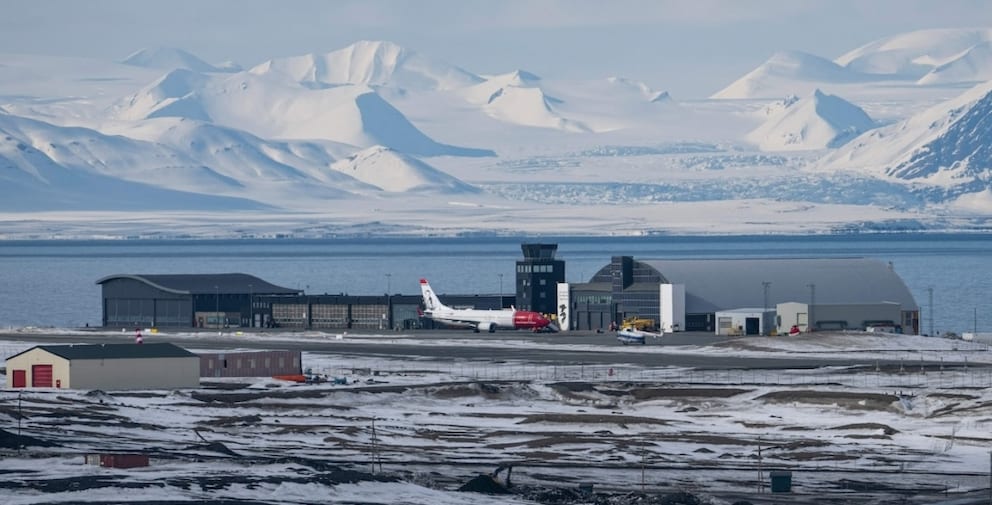
Finally, the airport in Longyearbyen should also be mentioned. The town on Spitsbergen is one of the northernmost inhabited areas in the world, and its airport is the northernmost in the world with scheduled services. Without this criterion, one could also mention an airfield on the Kerguelen Islands—but this is only used occasionally and for military or scientific purposes. The archipelago, which was declared a UNESCO World Heritage Site a few years ago, is only accessible to tourists by sea.
So, back to Longyearbyen Airport. This is located around 1300 kilometers north of the Arctic Circle and is an important transport hub for the entire region. Travelers wishing to visit the North Pole, for example, have to pass through the airport, and it is also an important starting point for scientific expeditions. At the same time, however, the airport’s location can also make visits more difficult. This is because extreme weather conditions are not uncommon in the region. These can affect air traffic and even temporarily paralyze it.