

March 11, 2026, 8:47 am | Read time: 3 minutes
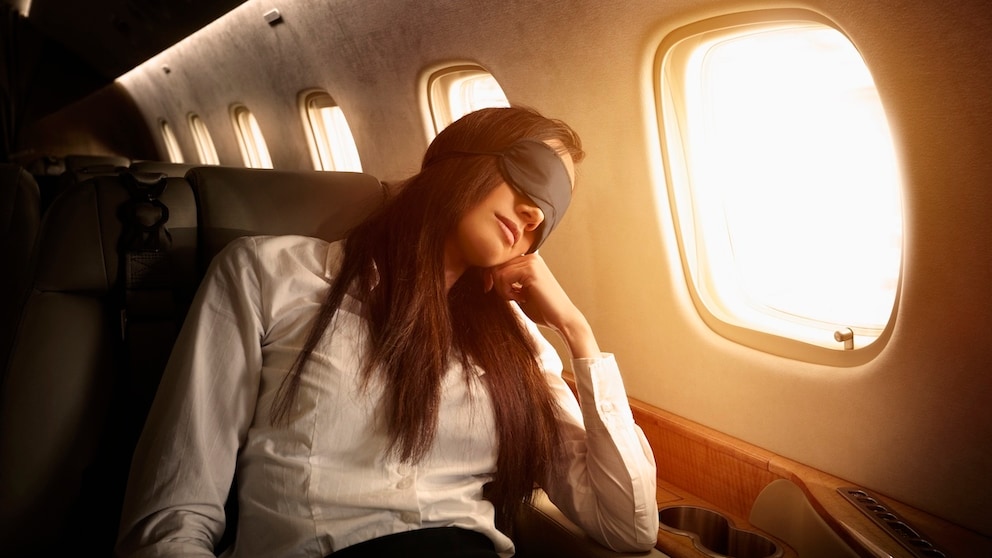
If you want to sleep on a long-haul flight, pay close attention when choosing your seat. Depending on your position in the plane, it can be much quieter—or not. A flight attendant tells TRAVELBOOK which seats are particularly good for sleeping.
The Best Seats for Sleeping on a Long-Haul Flight
The insider—who wishes to remain anonymous—makes no secret of the simple rule in airplanes, which might be unpopular with budget-conscious travelers: The higher the booking class, the more comfortable the “bedroom” becomes. In First or Business Class, many seats can now be converted into almost full-fledged beds. For many travelers, this is the best way to get several hours of real sleep on a long-haul flight.
Also interesting: This airline lets you book an entire row for yourself
But even for passengers in Economy, the position in the plane can make a difference. “Generally, you sleep more restfully as far forward as possible, even in Economy,” says the flight attendant. The reason: It’s often quieter there, and turbulence is less noticeable than in the back of the plane.
The Best Seat: By the Window
When it comes to choosing a specific seat, the flight attendant has a clear recommendation: the window seat. “Aisle seats are often more restless at night,” she explains. After all, seat neighbors have to get up and step over the person in the aisle. By the window, you can lean your head and are less disturbed. For many, this is the decisive advantage when it comes to getting a few hours of sleep.
Secret Tip for More Legroom
If you pay close attention when booking, you might even get more space with a bit of luck. Seats at the beginning of a new cabin section are particularly pleasant. “It’s best at the very beginning when a new class starts,” the flight attendant tells TRAVELBOOK. Behind Business Class, depending on the aircraft, there’s often an Economy or Premium Economy section—and that’s where rows with extra legroom sometimes appear. The reason: As soon as a class section ends, a bit more space is created. Passengers in these rows automatically benefit. Which seat numbers these are depends on the aircraft type. So it’s worth checking the seating plan.
Seats to Avoid
According to the insider, some areas in the plane are generally less suitable for a quiet sleep. These include seats near the toilets. At night, lines often form there with corresponding comings and goings.
Seats near the galley are also not ideal. There’s a lot of activity during the flight as the crew prepares meals or serves drinks. Also unfavorable: the last row in the plane. “In the last row, you often can’t recline the seat or at least not as far,” says the flight attendant. For longer sleep, that’s far from ideal.
Small Aids for Better Sleep on Long-Haul Flights
Without a few preparations, sleeping on a plane is rarely truly comfortable. But with a few simple basics, the situation can be significantly improved. The flight attendant advises packing a sleep mask and earplugs—and finding a seat where you can lean your head. This greatly increases the chances of getting a few restful hours.