

May 6, 2026, 1:03 pm | Read time: 4 minutes
Frequent flyers know it–and sometimes even dread it a little: the moment just before boarding when it’s decided whether you’ll go directly onto the plane via the jet bridge or first take a bus across the tarmac. But why is it like this? TRAVELBOOK spoke with an expert.
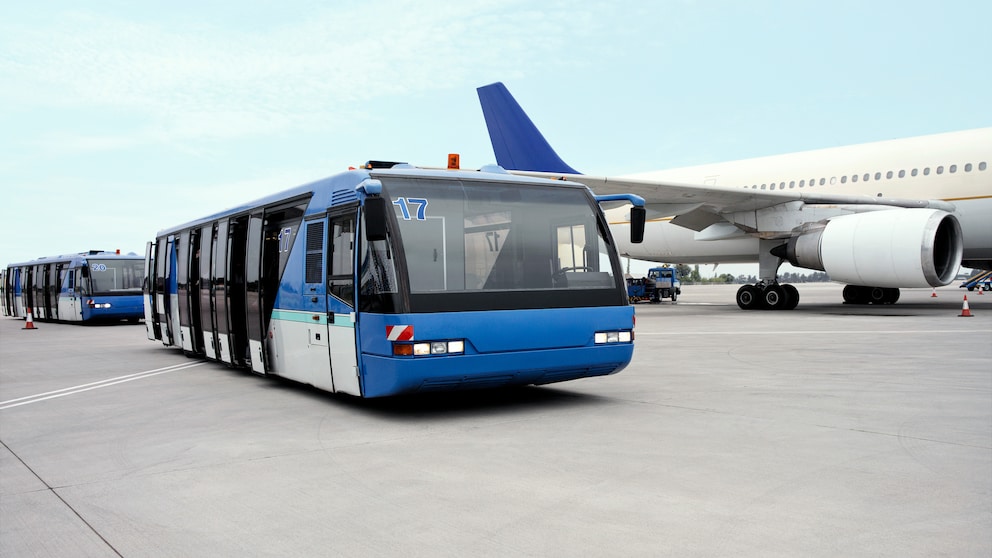
For some, it’s simply part of the flight experience; for others, it’s an annoying detour before the actual journey. At many airports, bus boarding is a regular part of the process. Shuttle buses transport passengers across the apron to the aircraft, instead of allowing them to board directly via the jet bridge, also known as a gangway. This happens even when the plane is already in sight and seemingly within easy walking distance.
The Reason Behind Bus Boarding
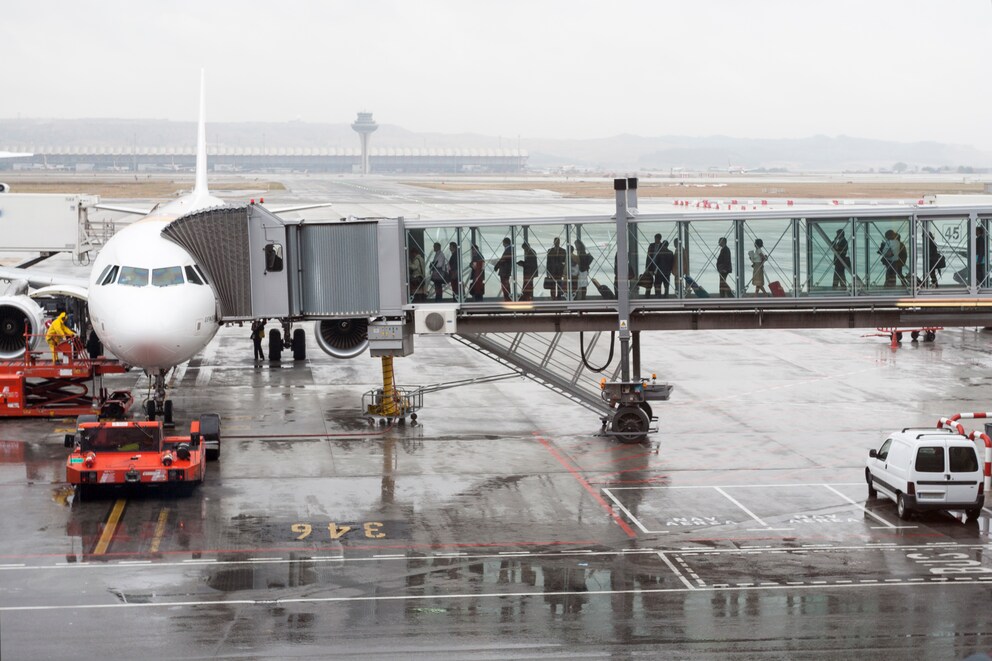
As aviation expert Cord Schellenberg explains, the difference mainly lies in the various parking positions of the aircraft: “At the central terminal building and at large airports, there are usually jet bridges that allow weather-protected boarding.” Large airports are often equipped with multiple bridges, such as for wide-body aircraft or even the Airbus A380, where boarding can occur simultaneously on two levels.
However, if a plane is parked on the apron, it’s a different story: “Apron positions usually aren’t equipped with jet bridges; stairs are needed here,” Schellenberg explains. In such cases, a bus transports passengers to the aircraft. Some smaller airports even operate entirely without jet bridges.
Bus boarding is particularly common for short-haul flights. Smaller aircraft can be more easily parked at remote positions. Additionally, jet bridges aren’t suitable for all aircraft types: “For small planes, the bridge would be too steeply aligned,” the expert notes.
Passengers usually find out whether boarding will be via jet bridge, bus, or on foot only at the gate. The ticket class plays little role in this. While passengers with priority boarding typically board first, whether you booked economy or business class doesn’t determine how you get onto the plane.
Even with expensive tickets, a bus might be waiting. “When it’s busy, capacities aren’t sufficient,” says Schellenberg. Especially at large hubs with many simultaneous departures, smaller aircraft often have to resort to remote positions.
Besides capacity, cost also plays a role. According to the portal “Aviation Direct,” budget airlines like EasyJet or Ryanair often opt for bus boarding to save costs. Jet bridges incur additional fees as well as maintenance and personnel costs.
Pros and Cons of Bus Boarding
Bus boarding also offers advantages for passengers. Airlines often open both aircraft doors for boarding, allowing passengers to distribute better and speeding up the process. In bad weather, the bus protects most of the journey, making it more pleasant than a complete walk across the apron. Only when disembarking at the aircraft are travelers exposed to wind and rain again.
Nevertheless, many travelers find this option less comfortable. The buses usually offer only a few seats, and it often gets crowded. There are also frequent wait times, such as when the bus is filled completely before departure.
“Proximity to the terminal always counts,” says Schellenberg. Short distances can even be faster, while longer bus rides can delay the process.
By the way: Even if the path to the aircraft often seems short, passengers usually aren’t allowed to walk it. “For longer distances or heavy traffic on the apron, it doesn’t work–safety always comes first,” Schellenberg emphasizes. Only rarely, such as on short and cordoned-off routes, is walk boarding permitted.
Another reason for bus boarding can arise spontaneously: “If a plane lands significantly earlier or later than planned, the intended position may already be occupied,” the expert explains. Then, often only the remote position remains–and thus the bus route.