

April 13, 2026, 12:59 pm | Read time: 3 minutes
Many passengers have likely noticed that pilots and flight attendants rarely have beards. Besides aesthetic reasons, a potential safety risk for pilots—and thus for passengers—is often cited. However, each airline has its own regulations. TRAVELBOOK explains why these are now changing for Hawaiian Airlines’ flight personnel and why this is drawing criticism from many employees.
In a previous article, we already explained why pilots and cabin crew are rarely seen with beards: Airlines place great importance on a uniform, well-groomed appearance—this includes minimum heights, a flawless uniform, and an overall professional demeanor. Facial hair is also regulated depending on the airline. Besides aesthetic reasons, a safety-related aspect has long played a role: Beards could affect the seal of oxygen masks. A study by the U.S. Federal Aviation Administration (FAA) from the 1980s supported this assumption.
Safety Argument Weakens
However, newer studies have reached a different conclusion: According to a study commissioned by Air Canada, facial hair does not affect the function of modern oxygen masks. As a result, some airlines have relaxed their regulations; for example, Air Canada has allowed short, well-groomed beards since 2018.
Nevertheless, the rules still vary significantly. While some airlines prohibit or heavily restrict beards, others, such as Lufthansa alongside Air Canada, at least allow well-groomed versions. Often, the focus is less on safety concerns and more on professionalism and public image.
Why Pilots Rarely Have Beards

Where Charging Power Banks Is Now Banned–and What Travelers Need to Know
Alaska Air Group Acquires Hawaiian Airlines
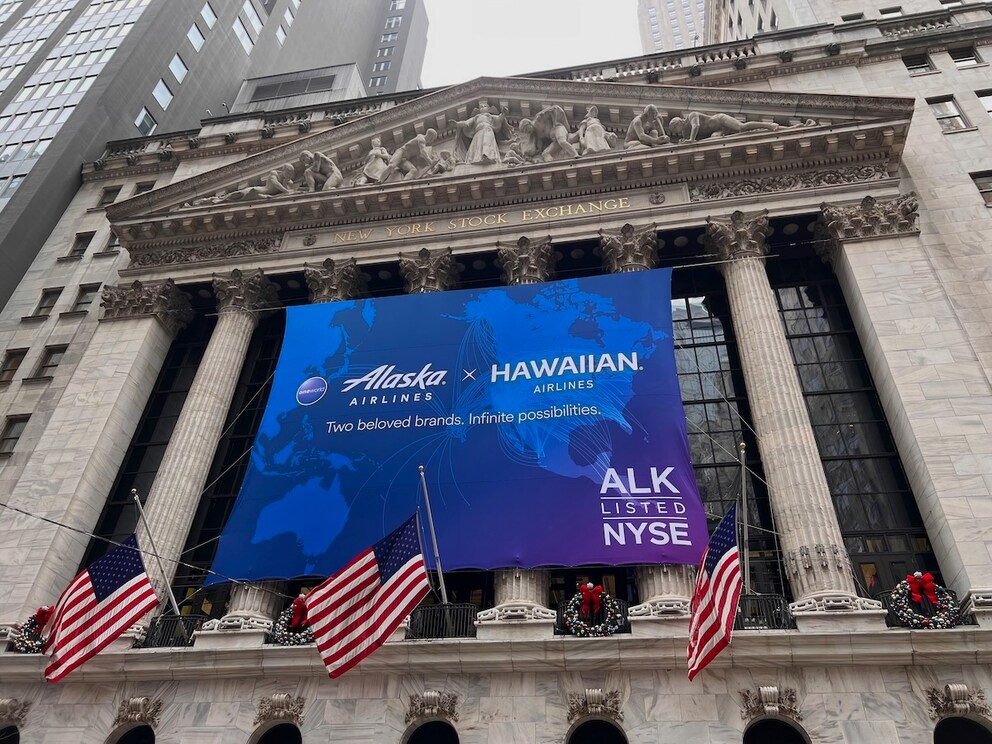
One airline that continues to strictly enforce a general beard ban is the U.S.-based Alaska Airlines. According to “AirlineGeeks,” the company cites both older safety assumptions and internal investigations, maintaining a clear stance: Employees must be clean-shaven. This rule will also apply to Hawaiian Airlines staff, as they were acquired by the Alaska Air Group as a subsidiary in 2024. Starting April 20 of this year, these guidelines will also apply to the pilots of the historic airline from Hawaii.
New Beard Ban Causes Cultural Tensions
The decision is already facing resistance. As “AirlineGeeks” further reports, the pilots’ union “Air Line Pilots Association” has even been involved. In a statement, representatives of the Hawaiian Airlines pilots emphasize their long-standing, impeccable safety record. From their perspective, there is no reason for stricter regulations. They also point to cultural aspects: For many pilots with Hawaiian roots, facial hair holds personal and cultural significance.
Indeed, hair traditionally plays a special role in Hawaiian culture. It is considered a carrier of “Mana,” or spiritual power, and can express identity and belonging. Whether this explicitly applies to beards is not clearly documented—nevertheless, it is hardly surprising that the new guidelines are meeting internal resistance.
Alaska Airlines dismisses the criticism. Vice President Dave Mets emphasizes that they have “neither the interest nor the intention” to curtail Hawaiian culture within the joint company. On the contrary, other rules, such as those regarding tattoo visibility, have recently been relaxed.
However, this does not change the beard ban: According to the updated appearance standards, only a well-groomed mustache is allowed, while full beards remain prohibited.