

January 14, 2026, 10:01 am | Read time: 3 minutes
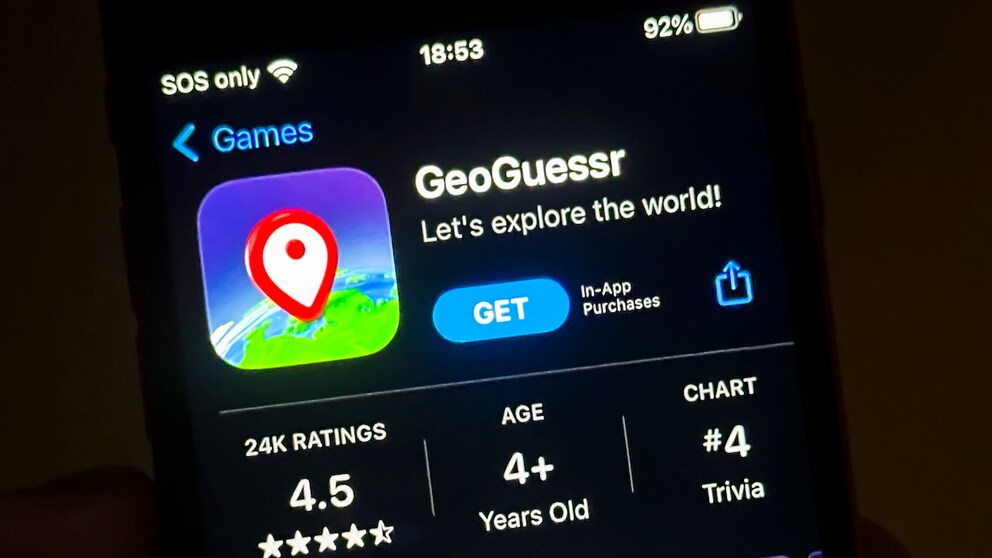
“Let’s explore the world”—with this slogan, GeoGuessr promotes its now world-famous game. Released 13 years ago by a Swedish IT consultant, the former browser game now engages thousands of users daily. But why is that?
At first, everything seems simple: The player is shown a Street View image of a location somewhere in the world and tries to identify where they are virtually located as accurately as possible. They place their “pin,” a marker, on a world map and score between zero and five thousand points depending on the distance to the displayed location. But it’s this straightforward approach that makes GeoGuessr so appealing: entertaining, free, easily accessible, and thus the perfect pastime for many users. According to BILD, the game went viral on the platform Reddit shortly after its launch in 2012 and attracts hundreds of thousands to the website daily with its simple yet addictive idea: Guess the location, place your pin, and collect points.
GeoGuessr is also popular for watching: Livestreams where players compete online and can orient themselves by tiny details in seconds are followed by thousands. One event stands out in particular: the official GeoGuessr World Championship, held annually since 2023. Last year, according to the Austrian newspaper “Tips,” the finals in Copenhagen were not just about the title but also about cash prizes totaling over $100,000. The current world champion, an American player named Radu C, secured a lion’s share of nearly $50,000 in front of an audience of over 300,000 viewers at times.
How the Pro Guessrs Do It
The World Championship will be held in Berlin in 2026. Besides Radu C, Hungarian, Dutch, and French participants are among the favorites. Such pros, who spend a lot of time with the game, develop astonishing strategies to recognize their location. They often rely on specific features. You can also pay attention to the following simple clues to tackle even the trickiest Street View images:
Utility Poles: So-called “poles” can narrow down the location to small areas. For example, the holey “holey poles” are typical for Hungary, while certain metallic, ladder-like poles are only found in northern Australia.
Camera Car: The Google Street View camera cars differ by region. For instance, only in Panama is a screw-like antenna visible at a certain angle, whereas in Germany, only a faint blue stripe on the ground indicates the vehicle.
Traffic Signs: Signs can also provide clear clues about specific countries—for example, a crosswalk on the corresponding sign in Lithuania has 3 stripes, in Iceland 4, and in Spain even 8 stripes.
Apply these tips, and keep learning. Websites like the player-favorite platform Geometas offer insights into tips and tricks to improve your strategy. And—who knows? Maybe you have what it takes to be the next world champion!