

August 3, 2026, 4:18 am | Read time: 5 minutes
Islands like Sylt and Rügen attract numerous tourists year after year. Yet, far from the well-known travel destinations, a largely unknown world of islands stretches along the North and Baltic Sea coasts. There, bird paradises, Halligen (small islands), river islands, and strictly protected natural areas shape the landscape. Some of these places are easily accessible, while others are completely off-limits to people. One island even serves as a site for high-security research on dangerous animal diseases.
12 Unknown Islands in Germany
Greifswalder Oie
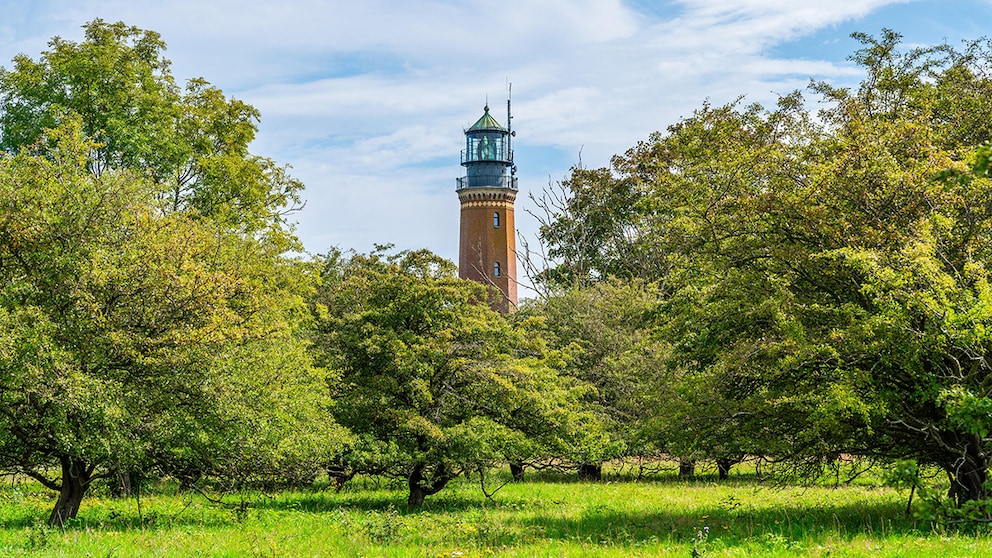
Between Rügen and Usedom lies Greifswalder Oie. The island’s landmark is its distinctive lighthouse, which towers over the flat landscape (see large photo above).
The island is used by both the German Maritime Search and Rescue Service and a bird protection association that operates a bird observatory there. Visitors can reach Greifswalder Oie by boat from Greifswald. Despite its unique location, it remains a relatively quiet destination even during peak season.
Hamburger Hallig
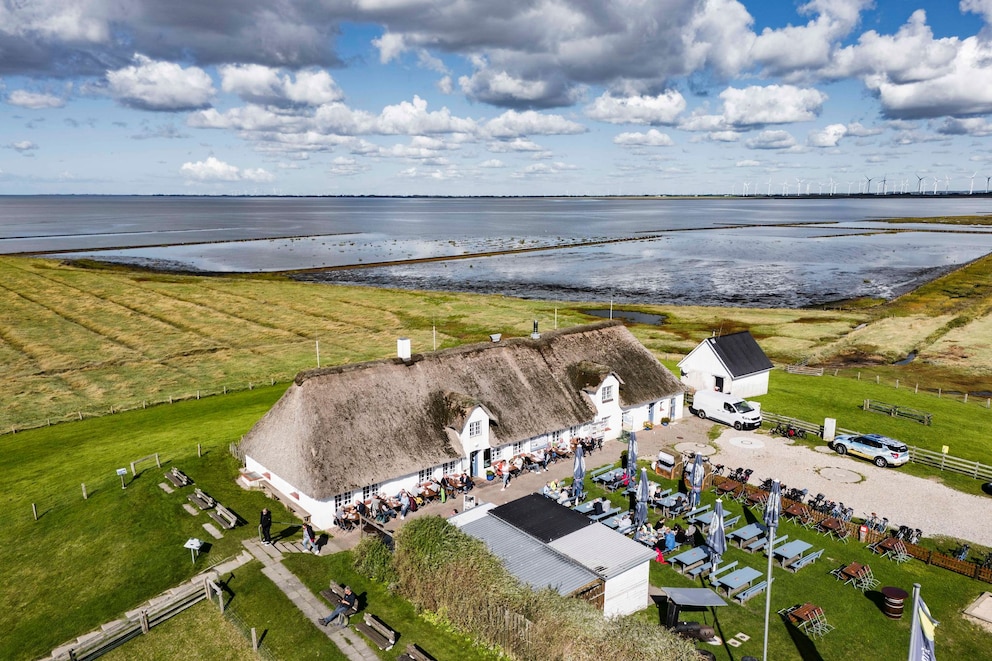
Despite its name, Hamburger Hallig has little in common with urban life. Visitors can expect a vast marshland with an unobstructed view over the mudflats. Typical are the mounds, artificially raised hills on which buildings are protected from flooding.
The small inhabited Hallig can be reached in various ways: by car over a causeway, by boat, or on foot through the mudflats.
Scharhörn
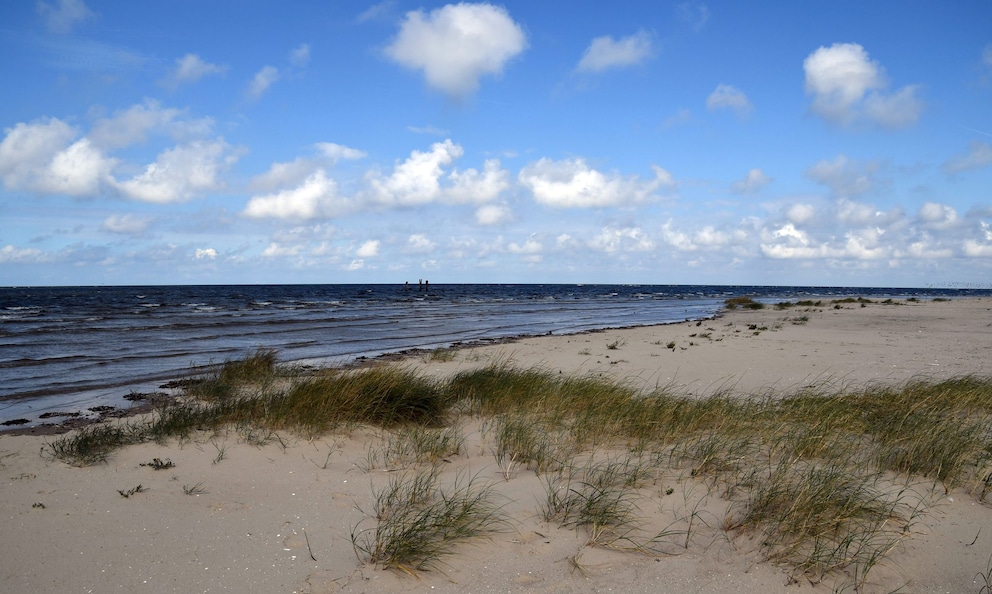
Although Scharhörn is more than 100 kilometers from Hamburg’s city center, the dune island is administratively part of the Hanseatic city. Year after year, tens of thousands of migratory birds stop here.
Access to the island is not permitted. Only staff from the bird observatory are allowed to be on Scharhörn for scientific purposes.
Nigehörn

Nigehörn was created in the 1980s through artificial sand deposits. The goal was to counteract coastal erosion.
In the meantime, nature has reclaimed the island. The strictly protected area offers breeding grounds for sandwich terns and is home to typical coastal plant species like sea beet. Nigehörn is considered an example of how a technical intervention can create a valuable natural area.
Neuwerk
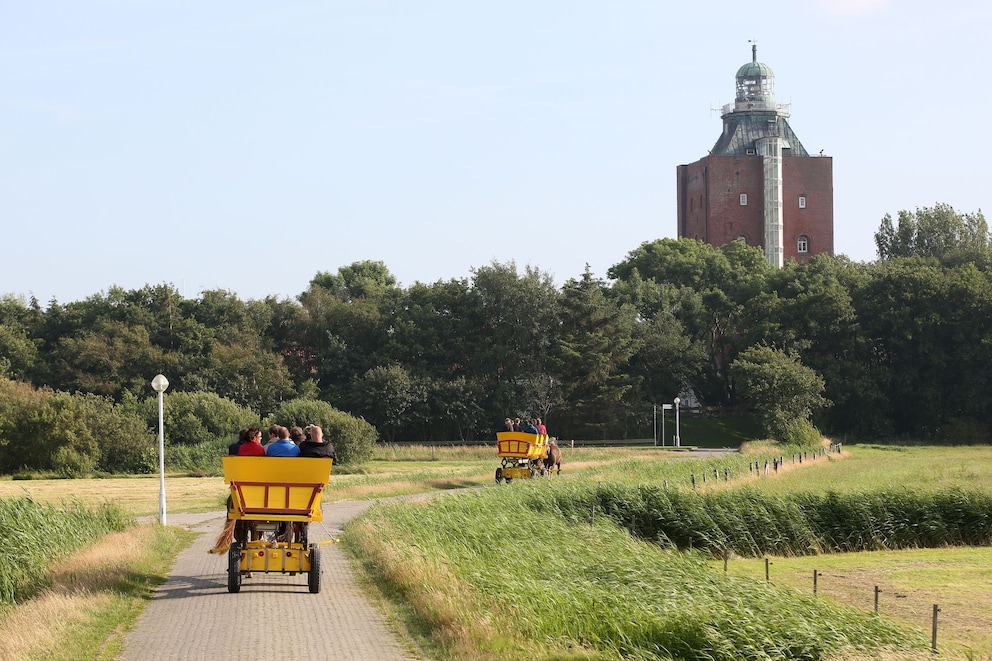
On Neuwerk, only about 40 people live. The island’s landmark is a 14th-century watchtower, one of the oldest preserved buildings in Hamburg.
Neuwerk can be reached from Cuxhaven on foot at low tide or by horse-drawn carriage. Together with Scharhörn and Nigehörn, the island forms part of the Hamburg Wadden Sea Conservation Area.
Vogelsand
Vogelsand differs from classic islands. The sandbank in the Outer Elbe appears and then disappears again under water depending on the tide.
Those passing by ship can often observe seals resting on the exposed areas. Administratively, Vogelsand belongs to Hamburg.
Krautsand
West of Hamburg in the district of Stade lies the Elbe island of Krautsand. About 500 people live here in a landscape characterized by dikes.
The island is particularly known for its orchards. While the blossom season attracts visitors in spring, the apple and pear harvest shapes the scene in autumn.
Lühesand
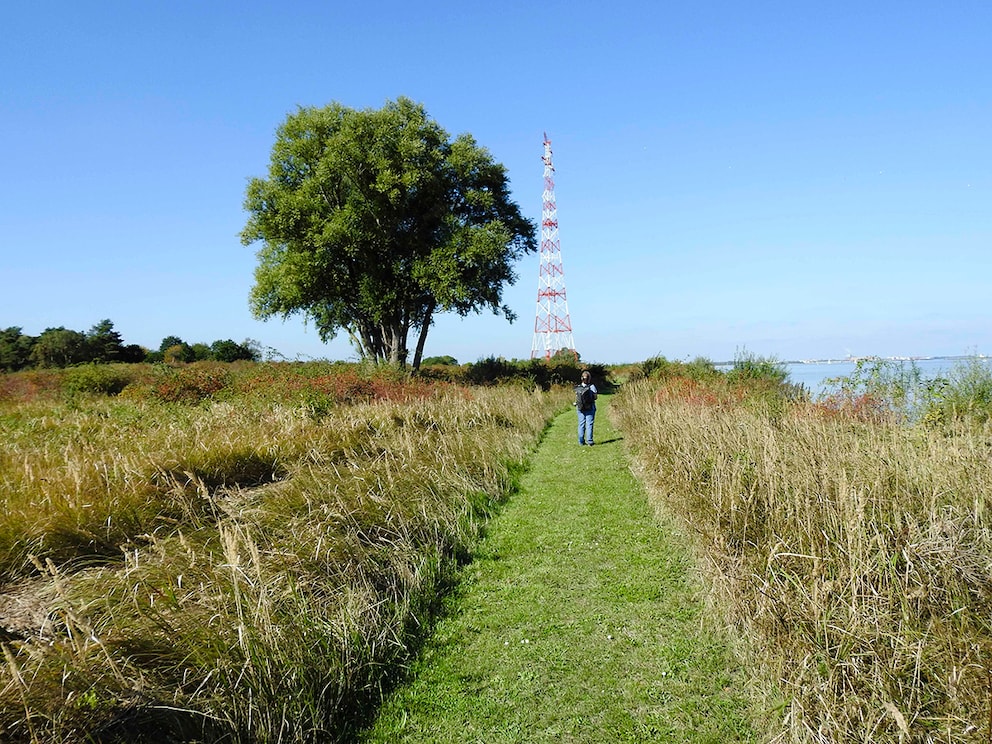
Between Hamburg and Stade, Lühesand is located in the middle of the Lower Elbe. Even many people from northern Germany are hardly familiar with the river island.
Where fruit was once grown, poplars and willows now primarily grow. Gray herons are regularly seen in the reeds. The island is accessible by ferry and bicycle and is considered a destination for those seeking solitude.
Mellum
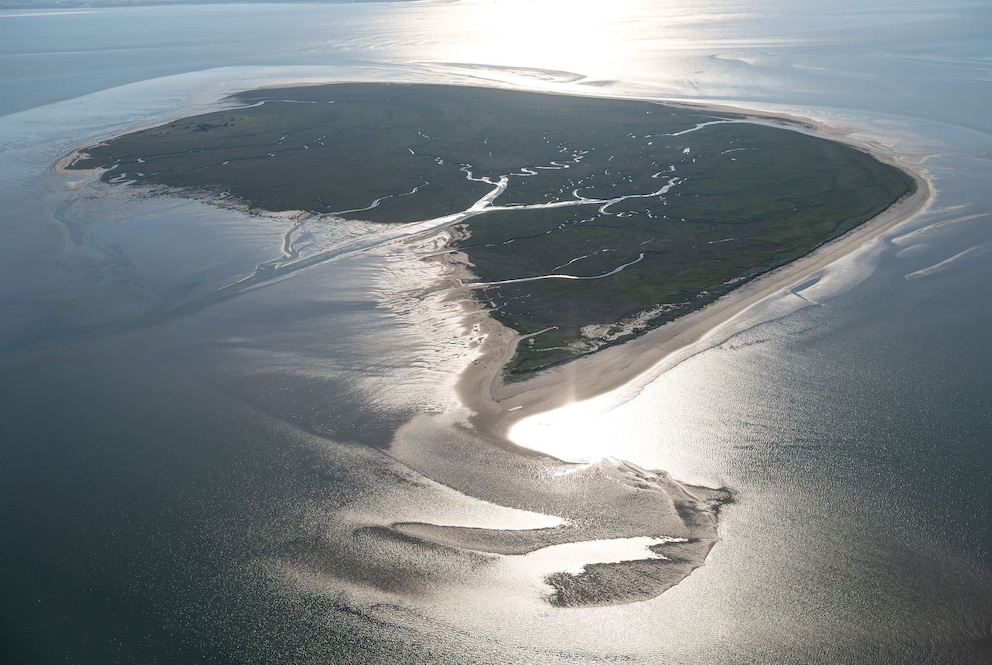
Far off the coast of Lower Saxony, Mellum is located in the Outer Weser. The island was formed around 1900 through natural sand deposits.
Attempts to use Mellum for agriculture failed due to the forces of wind and sea. Today, the island is an uninhabited part of the Lower Saxony Wadden Sea National Park. Large colonies of black-headed gulls, sandwich terns, and oystercatchers find ideal conditions here.
Harriersand
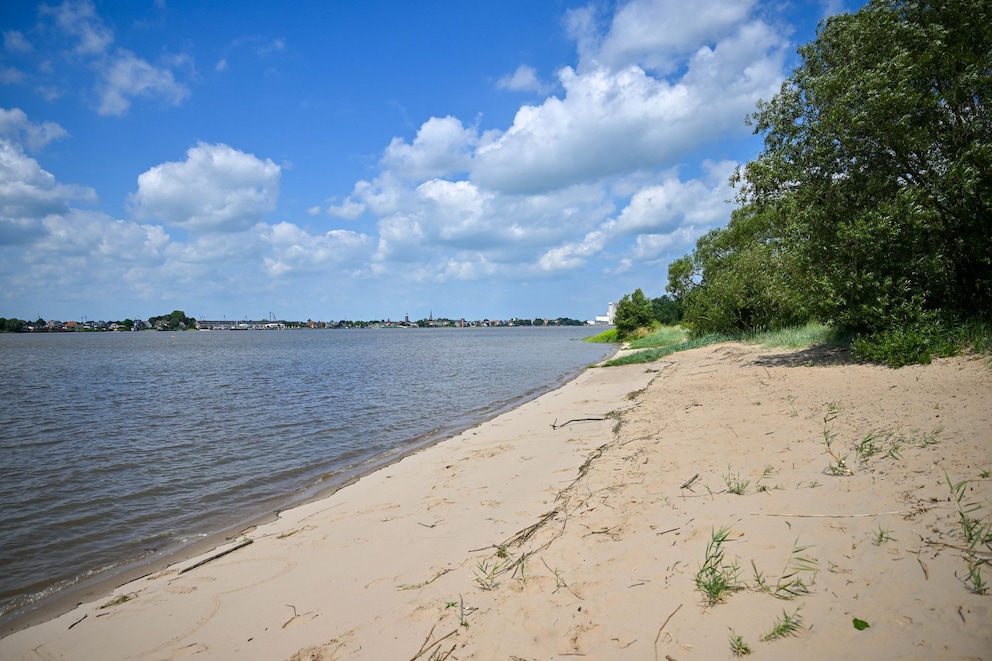
In the Weser opposite the town of Brake lies Harriersand, which is also among the lesser-known islands in Germany. At about eleven kilometers long, it is the largest river island in Germany.
Sand beaches, cycling, and riding paths make the island an attractive excursion destination. Harriersand can be reached via a bridge at Rade on the eastern Weser side or by the ferry “MS Guntsiet.” For longer stays, camping facilities, vacation apartments, and farm accommodations are available.
Ruden
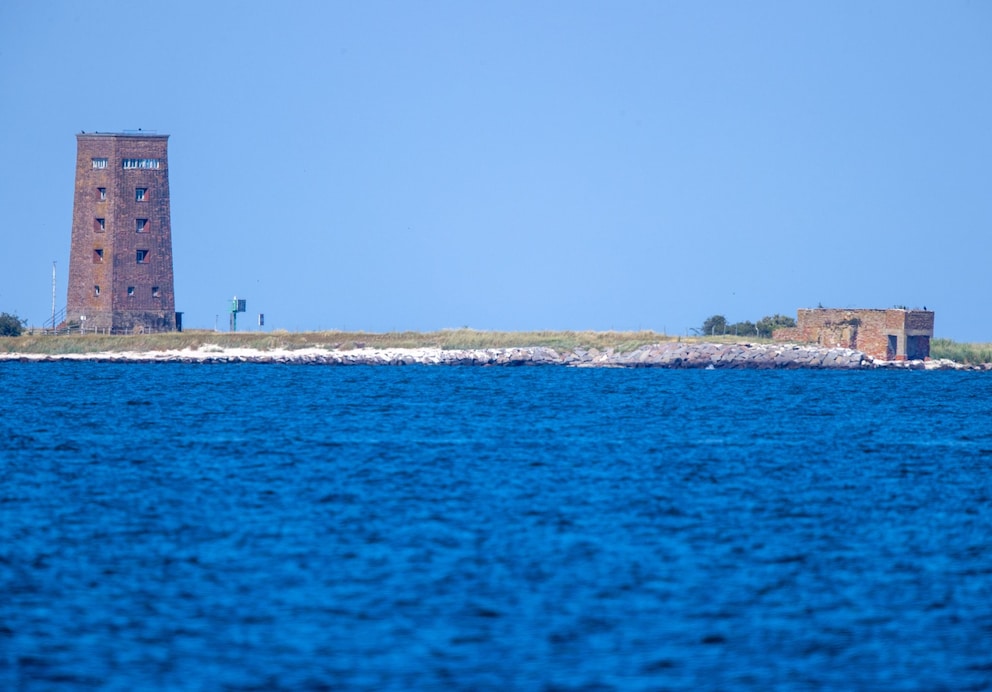
The island of Ruden is located in the Greifswalder Bodden off Usedom. It was formerly used as a pilot island and later as a customs station by the GDR.
After German reunification, the infrastructure deteriorated while nature increasingly spread. Today, numerous bird species live there, including cranes, cormorants, and sea eagles.
Ostervilm
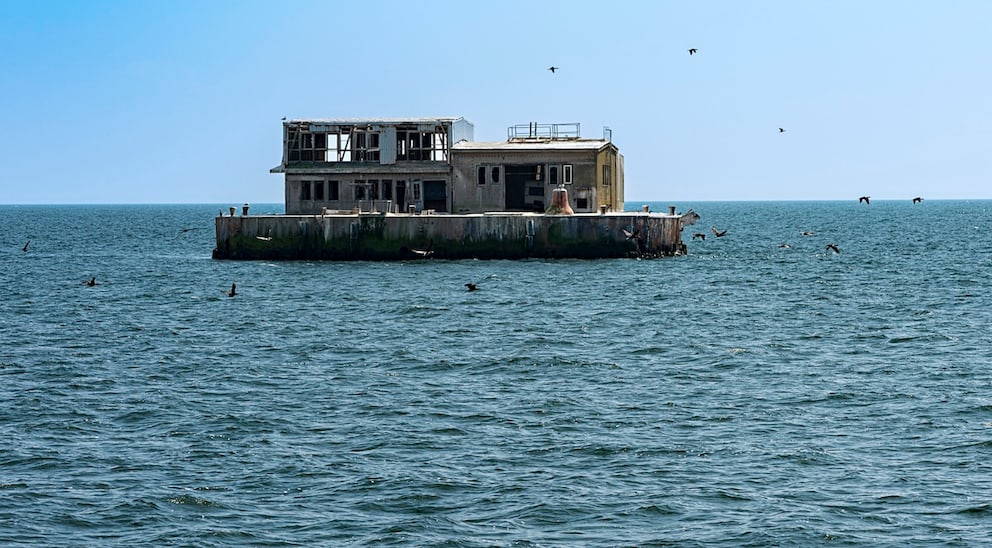
Ostervilm is one of the most inconspicuous islands in the Greifswalder Bodden and often even missing from regional maps.
Formerly, military facilities were located there, including for the demagnetization of ships. Today, cormorants and gray herons primarily use the island as a breeding ground. Access is prohibited. The usage rights for Ostervilm were auctioned off this year; how the island will be used in the future is not yet determined.
With material from dpa