


August 17, 2025, 1:20 pm | Read time: 4 minutes
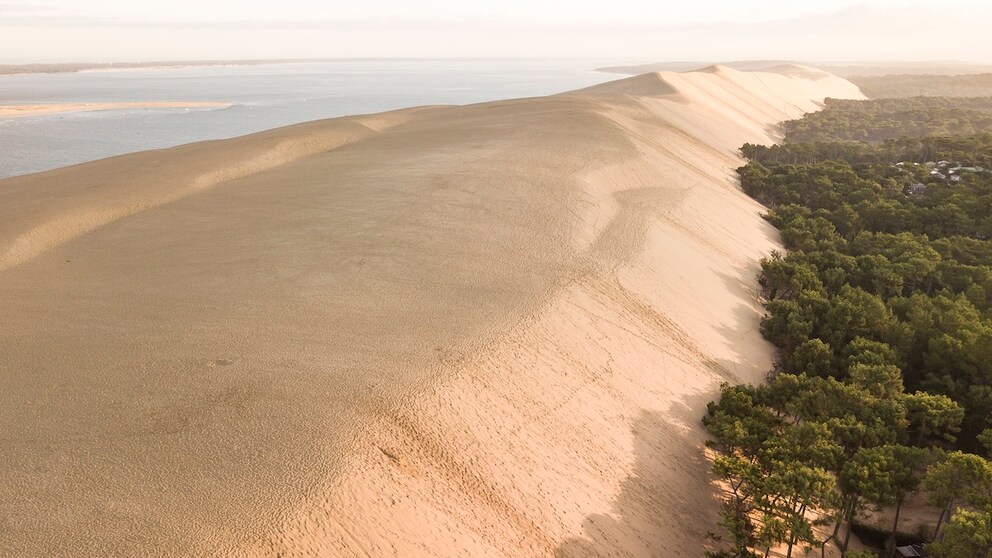
Most people don’t know that there are sand dunes in Europe that look like they’re on the African continent. The largest shifting dunes in Europe are even up to 110 meters high. Where they are located and how tall they are: an overview.
Anyone who studies shifting dunes in Europe might wonder: Why do dunes shift at all? Simply put, this type of dune consists of loose, light sand grains moved by the wind. Thus, the massive sand formation slowly moves in one direction, essentially causing the dune to “wander.” There are shifting dunes in Germany as well. The largest is located on Sylt. It is about 1.5 kilometers long, 500 meters wide, and up to 30 meters high. Does that seem gigantic? Only if you don’t know the European record holders.
Overview
The Largest Shifting Dunes in Europe
Dune du Pilat, France
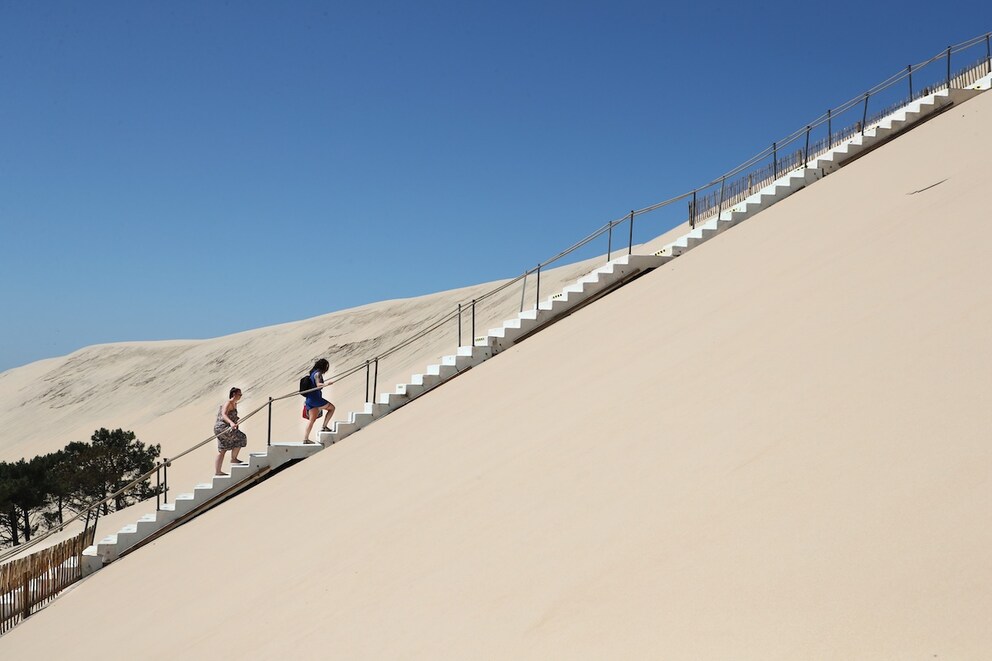
The highest shifting dune in Europe is located on the Atlantic coast of France near Arcachon, close to Bordeaux: The Dune du Pilat is up to 110 meters high, 500 meters wide, about 2.7 kilometers long, and is one of France’s most beautiful natural wonders. It seems almost surreal when a gigantic dune stretches between the ocean and pine forests in the middle of Europe. It’s best not to visit during the peak holiday season, as it becomes completely overcrowded.
Parnidis Dune, Lithuania
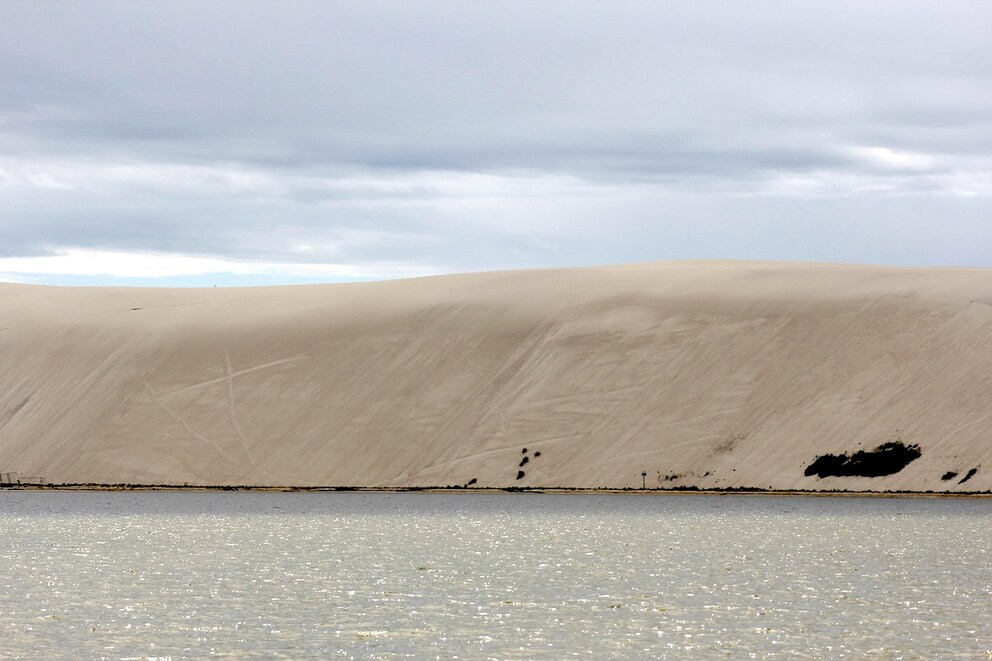
Far less known are the dunes on the Kuršių Nerija Peninsula, known in German as the “Curonian Spit,” which is half in Lithuania and half in Russian territory. There, the sand hills rise up to 60 meters high. They are called the “Dunes of Death” or the “Prussian Sahara.” The highest among them is the Parnidis Dune in Lithuania. One of the most famous German tourists to visit was the writer Thomas Mann. He wrote in his diary: “The strip of land is 96 kilometers long and so narrow that you can comfortably cross it from the lagoon to the sea in 20 minutes or half an hour.”
The dunes earned their nickname “Deadly Dunes” because of their rapid movement—at a speed of up to 15 meters per year—which buried four Lithuanian villages and two cemeteries beneath them. To stop the destructive dunes, a researcher began planting them in the second half of the 19th century after many failed attempts, thereby stabilizing them. Since 2000, the dunes have been a UNESCO World Heritage Site and part of the Curonian Spit National Park. Visitors are only allowed to walk on designated paths through the dunes.
Rubjerg Knude, Denmark
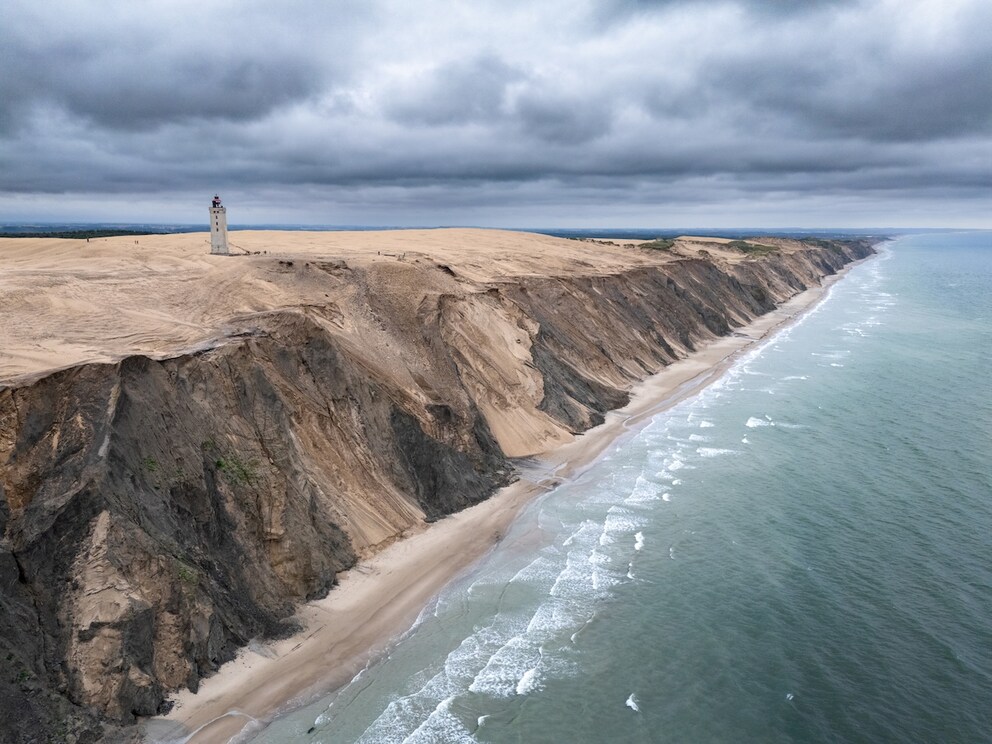
In northern Jutland, you’ll find Denmark’s highest shifting dune, which is up to 50 meters high and almost reaches the sea. At 1,900 meters long and up to 400 meters wide, you might feel like you’re in the desert here. But be careful! If you plan to hike, you must watch out for quicksand. Since the dune hasn’t been stabilized with any vegetation, the lighthouse there was finally relocated. The 700-ton giant was moved on rails to a spot about 70 meters from the edge, as it was at risk of falling into the sea along with parts of the dune.
According to WELT, the relocation of the Rubjerg Knude Fyr, as the lighthouse is locally known, cost around 700,000 euros. With about 250,000 visitors annually, it is the most popular tourist attraction in North Jutland. So many spectators came to the relocation that the municipality offered shuttle buses and created additional accommodations. The tower has been out of operation since 1968 and is a protected monument.