

May 28, 2026, 3:56 pm | Read time: 9 minutes
During a visit to the Romanian Carpathians, Lena Braun from the TRAVELBOOK editorial team learns how a foundation is combating environmental destruction in Europe’s largest contiguous forest area. Discover what a German-Austrian couple has to do with it, why local residents remain skeptical of the project, and what opportunities the national park could offer for people and the environment.
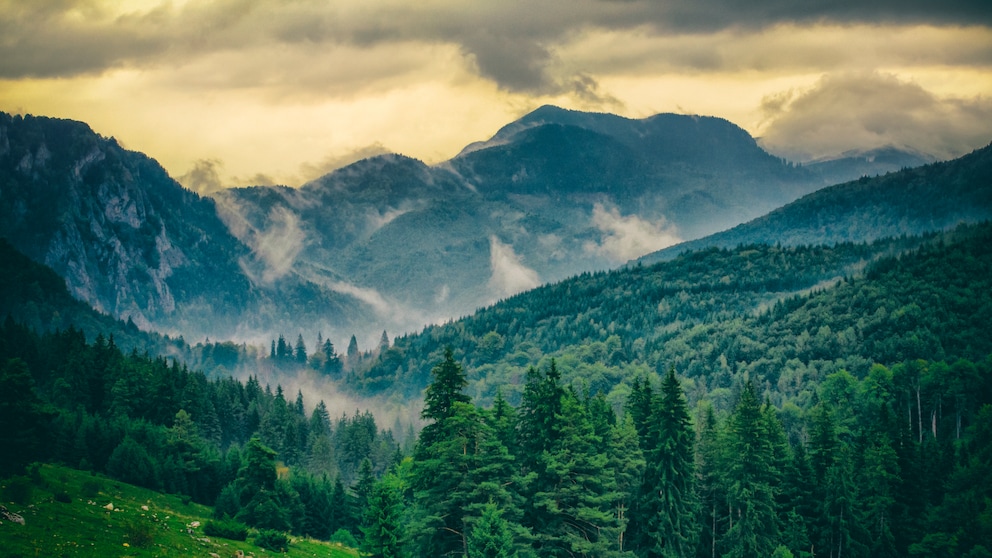
The so-called Carpathians are a mountain range about 1,300 kilometers long in Central Europe. They stretch across Romania, Ukraine, Slovakia, and Poland. About one-third of Romania’s land area is covered by the Carpathians, where they are the largest in terms of area. As the environmental organization Greenpeace explains, together they form Europe’s largest forested natural paradise: “What the Amazon rainforest is to South America, the ancient Carpathian forests are to Central Europe.” Yet despite their untouched nature, they are extremely endangered.
In a conversation with Diana Alexe, the tourism manager of the travel company Travel Carpathia, I learn how the associated foundation is countering the threatening deforestation and species extinction in the Făgăraș Mountains and what historical conditions have facilitated this development.
Romania’s Destroyed Primeval Forests
A brief historical excursion: After the fall of the Soviet Union and the bloody end of communism in Romania, the country was in a state of chaos and opacity. Due to the strict rules and controls during the USSR era, people felt they couldn’t live autonomously. In the 1990s, the new circumstances returned many people to ownership of their expropriated properties–with which they could now do as they pleased. Apparently, they did more than they refrained, as many exploited the newfound freedom, cleared forests, and hunted animals–until parts of the primeval forest ecosystem were destroyed and two animal species were nearly wiped out.
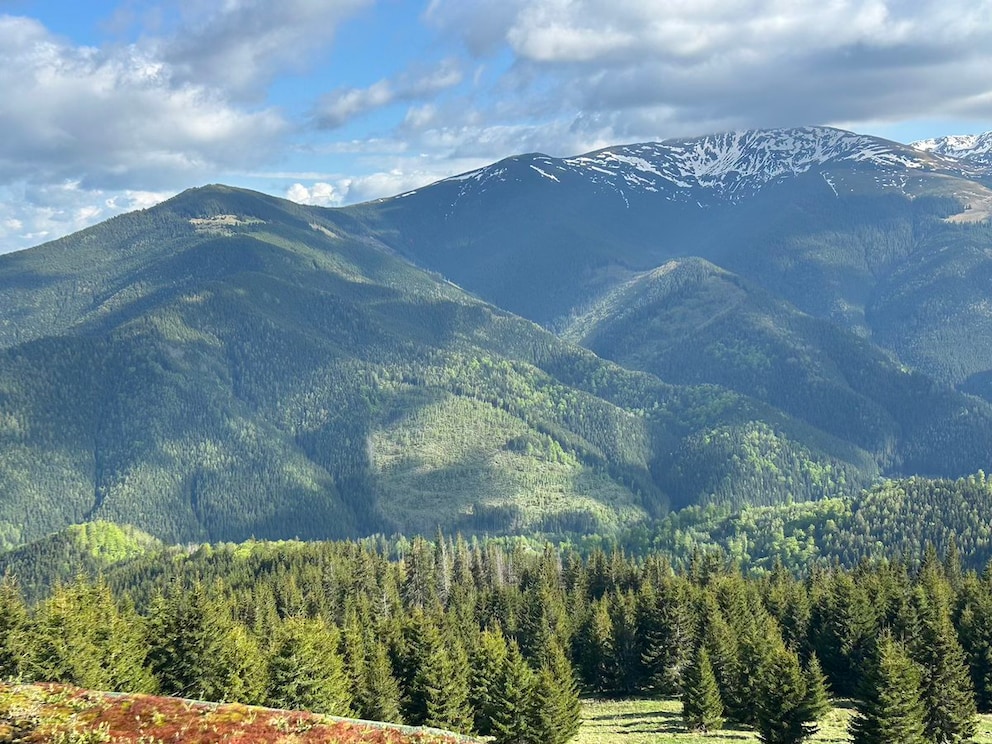
Corruption and nepotism prevented any control. “People have become selfish. They wanted to have, own, and profit,” explains Diana. There was no unified system, no rules, and no controls. Even today, illegal logging occurs, as the “Tagesschau” and other media reports confirm. According to Greenpeace, almost every hour, an area the size of five soccer fields disappears; only three and a half percent of the original primeval forest remains untouched by humans.
Also interesting: “I immediately fell in love with Transylvania”
Plans for a New National Park
The extent of the destruction was also brought to the attention of Barbara and Christoph Promberger. The German-Austrian biologist couple met in the 1990s during a wolf research project in Romania and have since been committed to conservation in their adopted home. In 2025, they even received the German Order of Merit for their efforts.
With the founding of their foundation “Conservation Carpathia,” which means “Preservation of the Carpathians,” they pursue an ambitious project: to create the largest national park in Europe. Their program includes essential measures crucial for sustainable success. The focus is on the preservation and protection of forests and wildlife, the restoration of destroyed natural areas and nearly extinct animal species, and–a particularly important aspect–collaboration with local communities.
To this end, the foundation has so far acquired over 28,000 hectares of forest and meadowland to place them under special nature protection. To combat ongoing deforestation and restore natural habitats, they have also planted 4.5 million new trees.
Additionally, the foundation has reintroduced nearly extinct wildlife in the Southern Carpathians: 95 bison and 60 beavers have been released to resettle in their former natural habitat and reproduce independently.
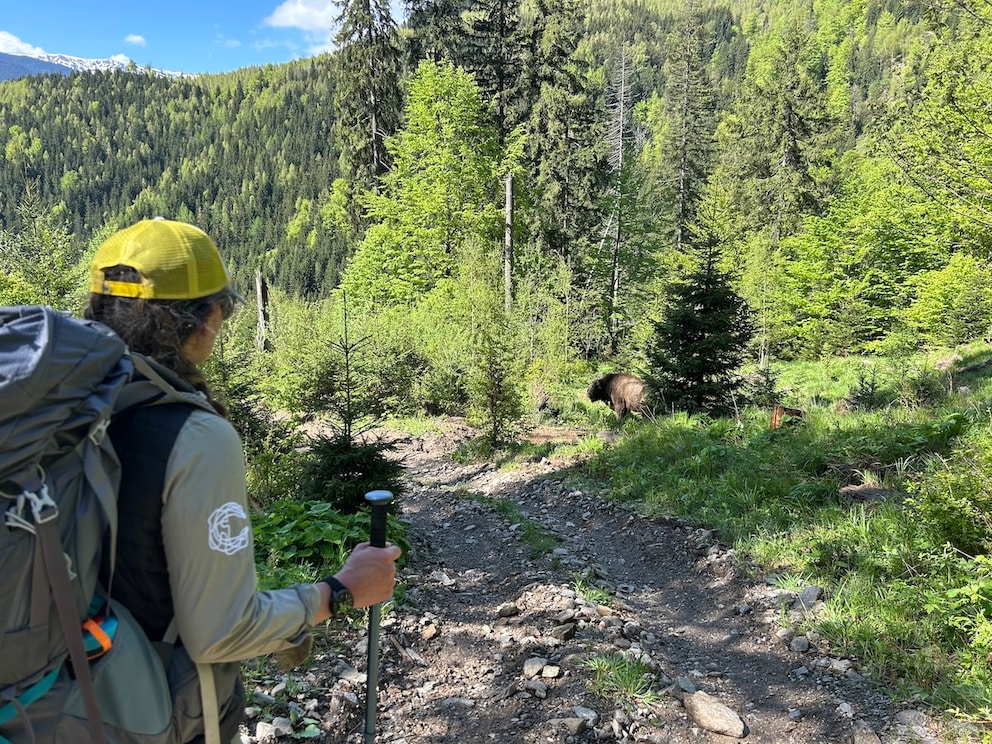
Special monitoring programs with biologists and foresters oversee both the positive development of the forest stock and the free-living wildlife. So-called “camera traps,” or wildlife cameras, can be found throughout the forest by the observant hiker. In addition to the reintegrated bison and beavers, the populations of brown bears, wolves, red deer, roe deer, and wild boars are also monitored. Special flash cameras also photograph the rare lynxes, which can be identified by their individual fur patterns.
The Biggest Problem: Convincing the Locals
The reason the area is not yet a national park is mainly due to resistance from the local population. In impoverished regions away from the cities, many people still rely on traditional agriculture and forestry. They depend on the wood from the forests, the products of their sheep and cattle herds–and on being able to live safely on their farms.
When forest areas are placed under protection, stricter regulations apply to timber harvesting. Many residents also see the increasing spread of wildlife as a threat to their herds, their farms, and ultimately their livelihoods. Concerned citizens, as well as entire lobby groups, raise awareness about these perceived restrictions on the personal freedom of rural Romanians.
Opponents of the National Park Sometimes Use Unfair Means
But not everyone is entirely truthful–often, it’s about getting people on their side. Diana tells us about a particularly absurd example: “A few years ago, we had the problem that priests went through the communities and told people that the beavers we released were eating their chickens. But that’s absolutely not true, as beavers are vegetarians.” The foundation struggled with this misconception for a long time, and the reintroduction program was delayed.
In an “Arte” documentary about the Carpathians, other opposing voices are also heard. Their arguments are understandable but sometimes seem self-serving. Instead of working together to improve living conditions for people and the environment, critics actively oppose what they dismissively call “Conservation Carpathia’s social experiment.”
“Relying Solely on People’s Reason Isn’t Enough!”
Many residents believe they can assess how to use nature without destroying it. But is that really enough? The past has shown that even a few exceptions can cause significant damage.
Diana tells us, for example, about forest owners who heard about the foundation’s purchase of deforested areas. To make double the profit, they cut down all the trees on their property, sold the wood first, and then sold the bare land to the foundation. That was, of course, not the intention.
Education and awareness are therefore the keys to sustainable development. The foundation places great emphasis on educating children. In a specially built education center, trained staff welcome school classes every weekend to sensitize children to the environment of their homeland.
Two thematic visitor centers on beavers and bison also educate about the animals and their habitat. The audience ranges from local residents to school classes from across the country to traveling tourists.
Where Exactly is the Proverbial “Walachia”?
Vote Now! This Is the Best Destination in the World for a Sustainable Safari
Uninformed Tourists Are Also a Problem
Visitors from other countries can also cause lasting damage with thoughtless behavior. This can be observed daily on sections of the popular Transfăgărășan Highway. Encounters with one or more bears are not uncommon there. The sad reason: For years, tourists have been feeding the animals from their cars or throwing trash on the road. The bears get used to it and keep coming back. Locals call them “Beggar Bears.” A massive intrusion into nature.
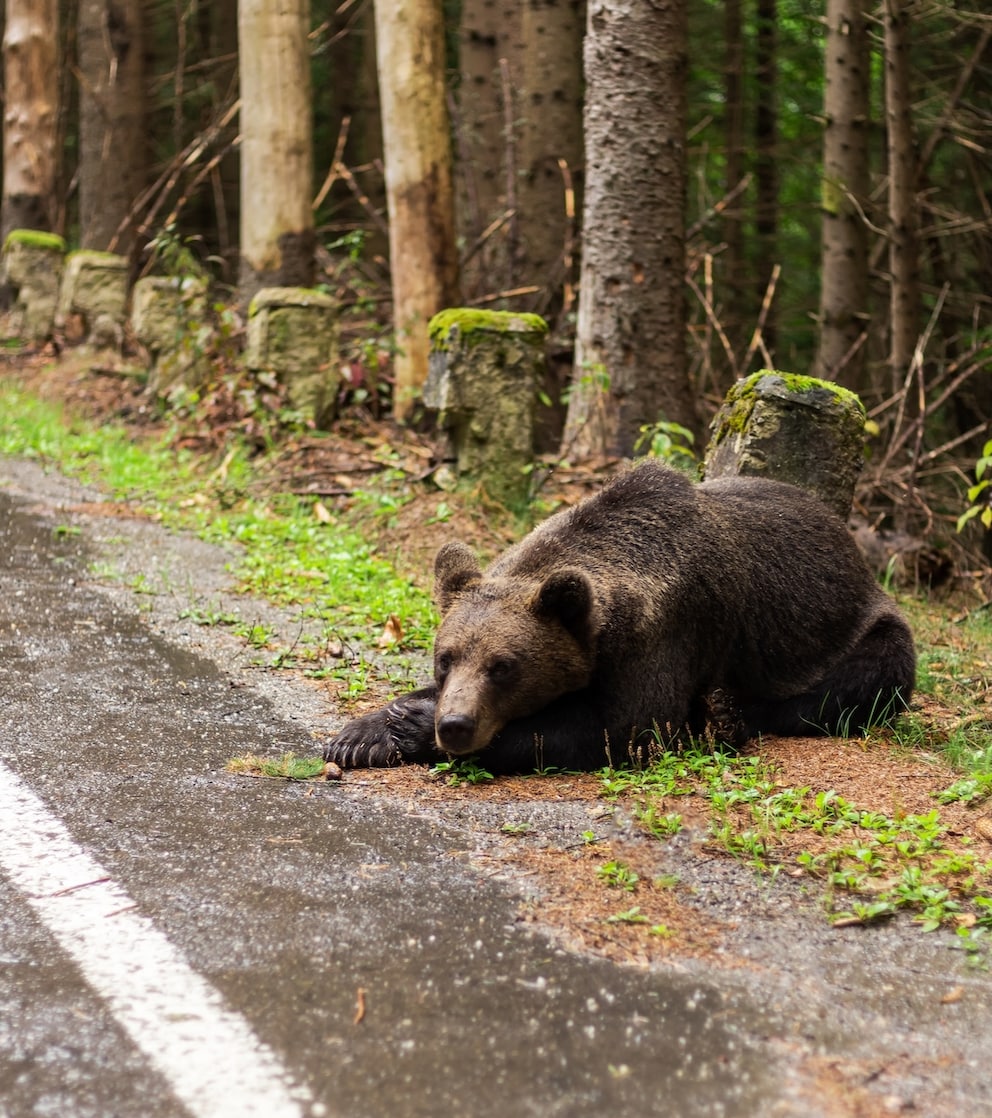
Last year, an Italian motorcyclist clearly crossed the line. He got too close to the bears on the mountain pass and even tried to feed them by hand, as BILD reports. For a mother bear, who was merely trying to protect her cubs, this posed a threat. She attacked the man; he died from his injuries.
A foolish and risky idea that ultimately also cost the bear’s life. Authorities shot the suspected animal, leaving her three cubs behind–completely unfair, as Diana also finds, who had seen the bear family herself shortly before.
Eco-Tourism as a Solution
Since 2024, the foundation has offered an alternative to independently exploring the Făgăraș area with its travel provider “Travel Carpathia,” a tourism initiative for sustainable travel. “The focus is on nature-based activities that offer guests a form of deceleration away from mass tourism. It’s about truly being on-site–not just seeing as much as possible. An immersive experience,” explains Diana.
Authentic experiences are made possible by the green infrastructure that the organization pursues both in its accommodations and along specially created hiking trails. The accommodations range from a large horse farm to a wildlife glamping village to hidden cabins in the middle of the forest, accessible only on foot. Here, guests experience the pristine wilderness of the Carpathians up close and quickly understand why this unique nature is worth protecting.
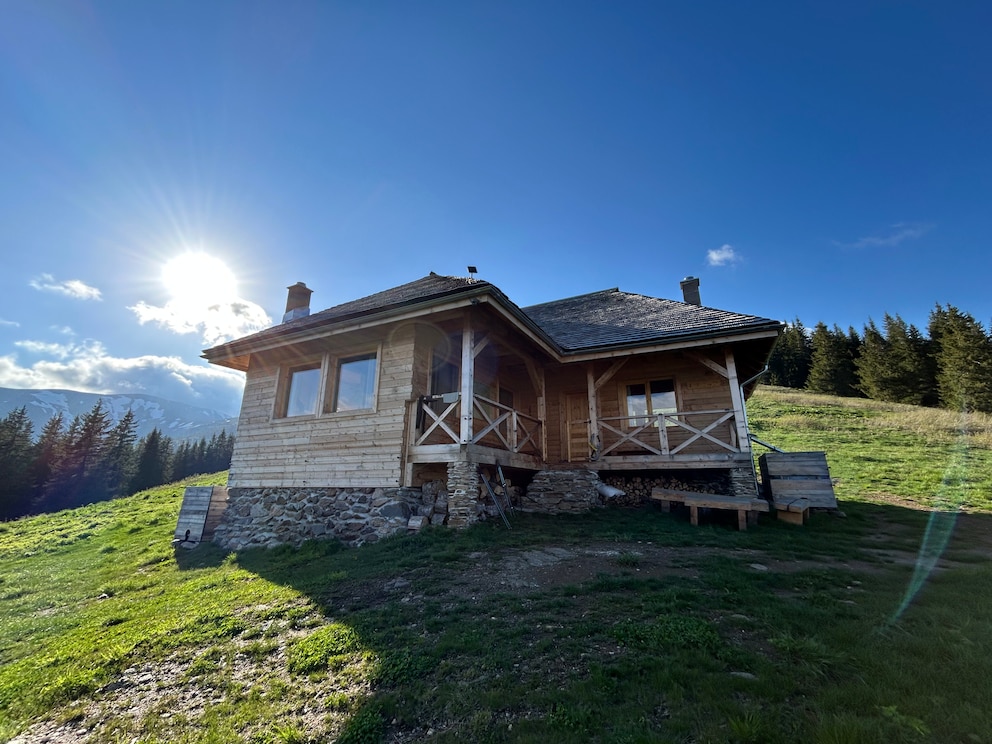
To simultaneously strengthen the local economy, the provider follows a sustainable strategy that specifically benefits regional producers. All products come from the region, and local chefs prepare traditional dishes in all accommodations. With its own “Food Hub” program, the organization also markets and sells regional specialties.
On the website, it states: “Our big goal is for ecotourism to also contribute to the prosperity of the people in the communities of the Făgăraș Mountains region–by jointly preserving the natural and cultural treasures we all depend on.”
Only in this way can a long-term sustainable project like the largest national park in Europe become a reality. How long this will take is uncertain. The initiators emphasize finding solutions together with the locals rather than deciding over their heads. It is to be hoped that more people there will soon recognize how necessary a protected national park is for the future of people and nature.
The trip was supported by “Travel Carpathia.” Our standards of transparency and journalistic independence can be found at www.axelspringer.de/unabhaengigkeit.