

November 17, 2025, 8:39 am | Read time: 8 minutes
Yes, winter in Germany is quite harsh: You leave for work in the dark in the morning, return in the dark in the evening, with a gray sky and a damp cold that seeps into your bones in between. Who doesn’t occasionally long for summer, sun, and carefree days? Where you can soak up the sun in winter without a long plane ride, TRAVELBOOK author Nina Ponath shares her personal and tried-and-tested tips. Plus: The official list of the warmest and sunniest places in Europe, revealed by the weather expert.
Sustainability, carbon footprint, and climate change–nowadays, you think twice about how often and how long you fly. It’s just a shame that as a German, you hardly have the chance to get through winter without a vitamin D deficiency and a gloomy mood. At least that’s how it is for me. From October to April, I’m often a step ahead of my time. At least mentally, because everything revolves around the thought, “If it were summer now…” Fast-forwarding isn’t an option, but at least you should be able to hibernate, right? Yes, you can, and even without causing unnecessary harm to the environment. Even in Europe, while it gets uncomfortable here, you can still soak up plenty of sun in some places. Here are my seven favorite travel destinations for a winter escape without a long-haul flight.
Overview
7 Destinations for Winter Warmth–Personal Tips
Southern France: Mimizan
My heart beats for France! Ever since I studied French, I’ve been completely captivated by the French Atlantic coast. In October and November 2020, I spent a total of five weeks in Mimizan. The small town on the Atlantic coast is popular with surfers and delights nature lovers with its stunningly long beach and enchanting sunsets. The average temperature here in fall and winter is around 59 degrees Fahrenheit. During my vacation, I experienced temperatures up to 82 degrees, which was better than a typical summer day in Hamburg.
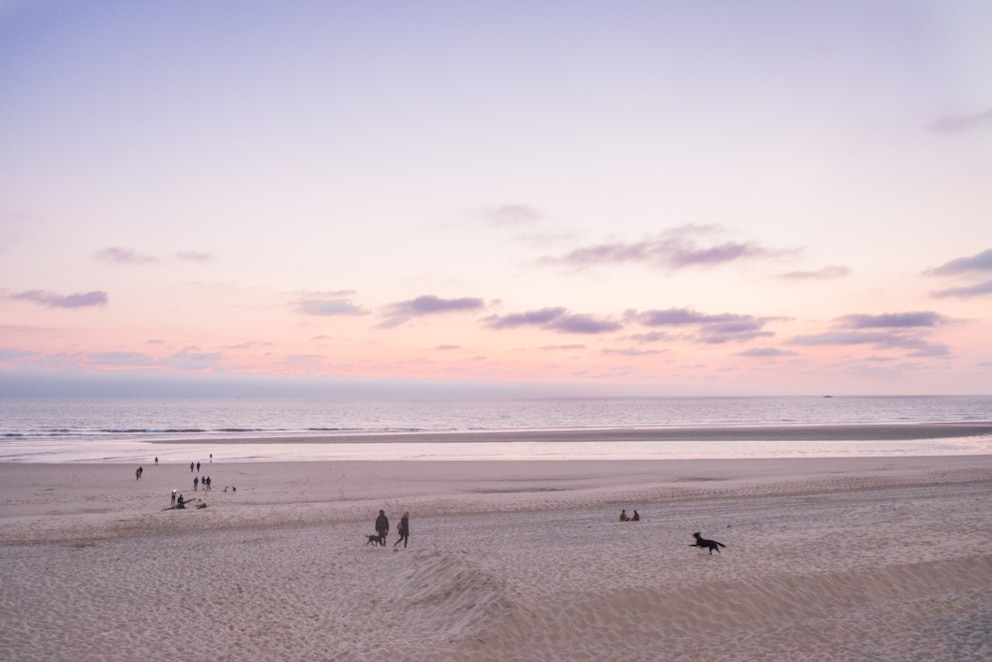
Pros: the nature, the flair, finally no overcrowded beaches
Cons: Southern France isn’t a true “hibernation destination” as temperatures can drop to around 50 to 54 degrees. I was probably lucky during my vacation. Still, you can enjoy eating macarons and watching the sunset even at just lukewarm temperatures.
Average temperature from October to March: 68-59 degrees Fahrenheit
ADVERTISEMENT: Fall Holidays in the Mediterranean 2025
Southern Spain: Costa Blanca
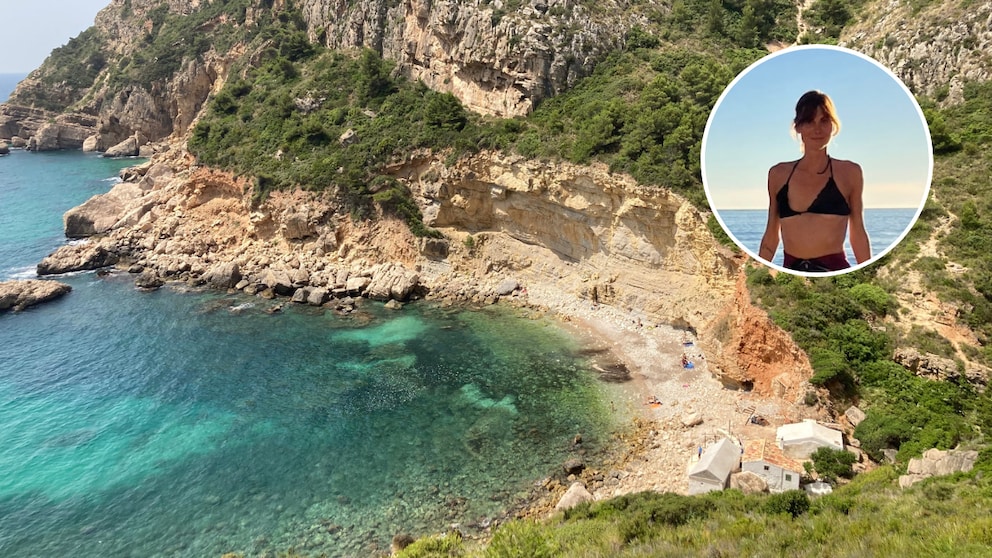
The Costa Blanca has long been a popular destination for those looking to escape the domestic winter. It’s now also well-known among digital nomads and anyone who can work remotely, with more and more Wi-Fi coffee shops, co-living spaces, and hipster food spots popping up. I’ve vacationed here twice in November and both times enjoyed temperatures around 68 to 77 degrees. Perfect for recharging before the long German winter.

Pros: eating tapas, hiking, working remotely
Cons: sometimes a bit of rain
Average temperature from October to March: 68-59 degrees Fahrenheit
Canary Islands: Gran Canaria
The Canary Islands are not called a retiree’s paradise for nothing. If you long for sun in winter, you’ll find it here. Due to their proximity to the equator, it’s pleasantly warm and weather-safe all winter long. I’ve been here several times at the end of winter. Even in February, temperatures are still over 68 degrees, allowing you to wonderfully shorten winter and bring spring forward. Unfortunately, some cities are very “built-up,” so if you’re looking for nature, you should visit the sand dunes of Maspalomas.
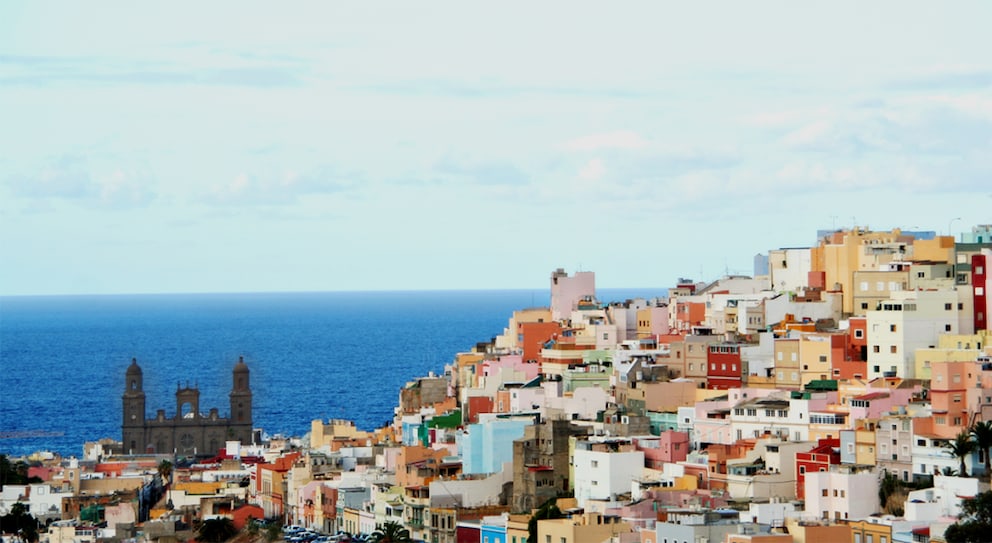
Pros: dunes, surfing, nature, sunshine is relatively “safe”
Cons: hotel complexes
Average temperature from October to March: 64 to 73 degrees Fahrenheit
Also interesting: In Check! Where is the best place to escape to warmth in winter?
Portugal: Algarve
The Atlantic coast of the Algarve is a true natural paradise. Here, you can admire steep rocky landscapes and hike along wild beaches in winter without having to worry too much about sun protection. While temperatures here can quickly climb to 104 degrees or more in summer, it’s pleasantly mild at around 59 degrees in winter. Perfect for an active vacation.
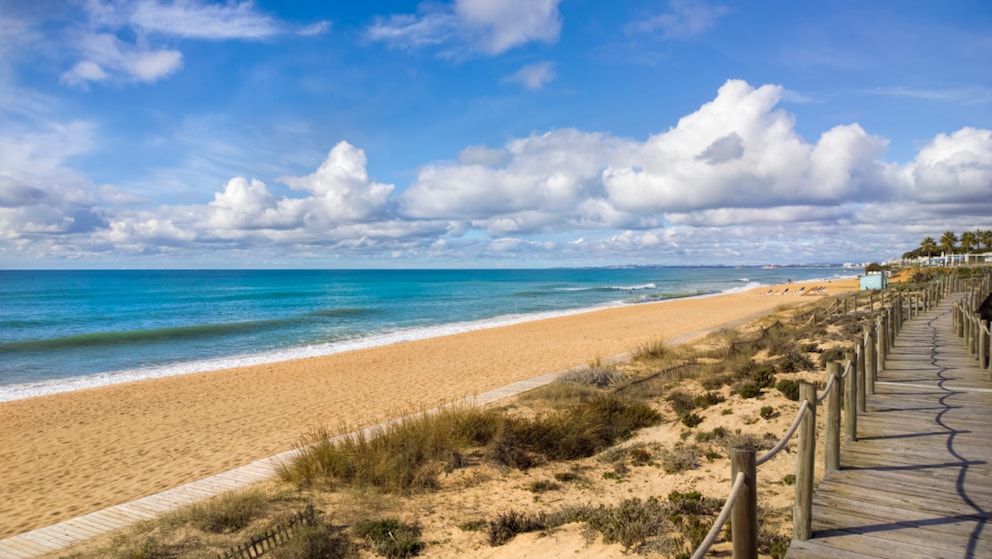
Pros: impressive landscape, activity opportunities
Cons: somewhat lonely in winter
Average temperature from October to March: 57-64 degrees Fahrenheit
Greece: Crete
“Never again,” I thought during my first vacation in Crete. Back then, I was here in the summer, staying in a rather modest place with my three friends, from which we trekked to the overcrowded beach. A few years ago, I visited in February, and what can I say: In winter, the island has a completely different charm. From October to February, you can enjoy the nature of wide sandy beaches and clear water all to yourself. The taverns aren’t as crowded as in summer, and the weather is mild at 59-64 degrees, rather than warm. But the heat doesn’t get to your head as much as in summer.
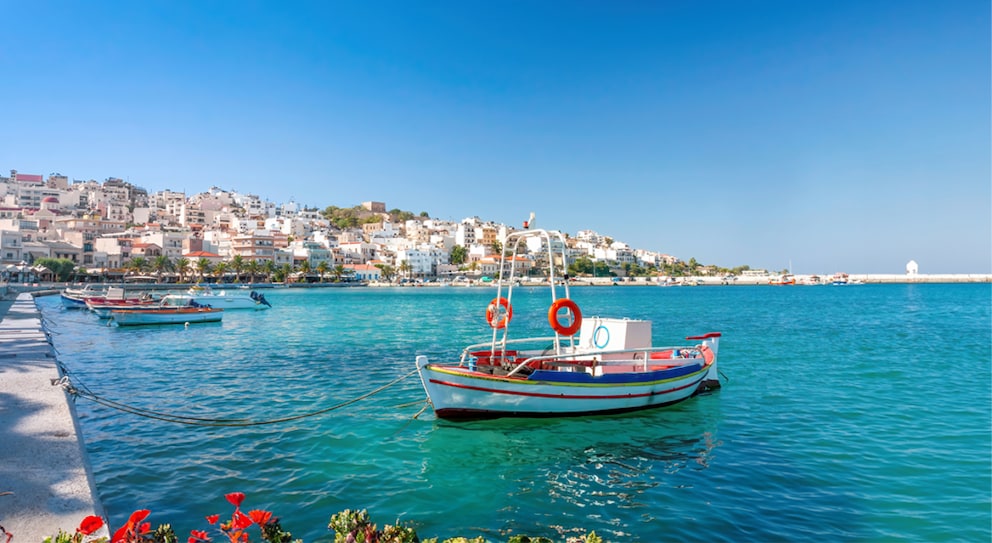
Pros: mild winter, cultural attractions like the Arkadi Monastery, Knossos
Cons: not a classic beach vacation
Average temperature from October to March: 59-64 degrees Fahrenheit
Cyprus
A European country where you also have a high chance of not freezing in winter is Cyprus. This makes the Mediterranean island a popular destination for those looking to escape winter. The breathtaking landscape of salt lakes, mountains, and wide beaches can be especially enjoyed in winter. Unlike in summer, when temperatures can reach 104 degrees, you can still muster enough energy to explore ancient buildings, cities, and the stunning nature.
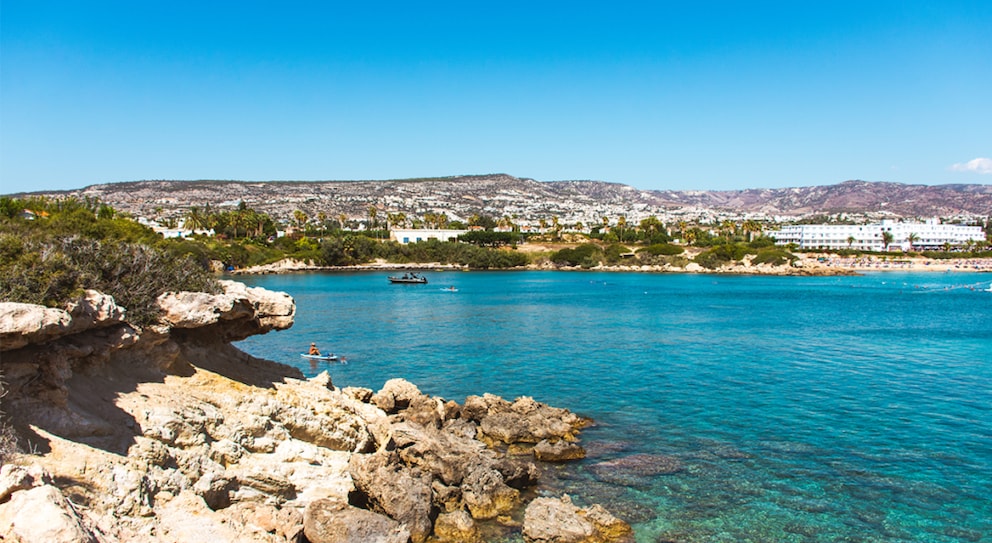
Pros: salt lakes, mountains, mild weather
Cons: none
Average temperature from October to March: 59-68 degrees Fahrenheit
Winter Hibernation in Denmark
Okay, with this last hibernation destination, I admit I tricked you a bit. Because it’s even colder here, and the sun is even rarer than in Germany. But you can be wonderfully lazy here and do what you would love to do all winter anyway: eat, sleep, be lazy, go to the sauna. As far as I’m concerned, there’s no better place in the world to do this than in Denmark. That’s why I find myself heading to Denmark every winter for a few days or a week to finally have a proper “winter sleep.” This is also great over New Year’s because fireworks are not allowed in the dunes.

Pros: Danish licorice, soft ice cream, no fireworks on New Year’s, very hygge here
Cons: cold, dark
Average temperature from October to March: Ice age.