

June 23, 2021, 8:37 am | Read time: 3 minutes
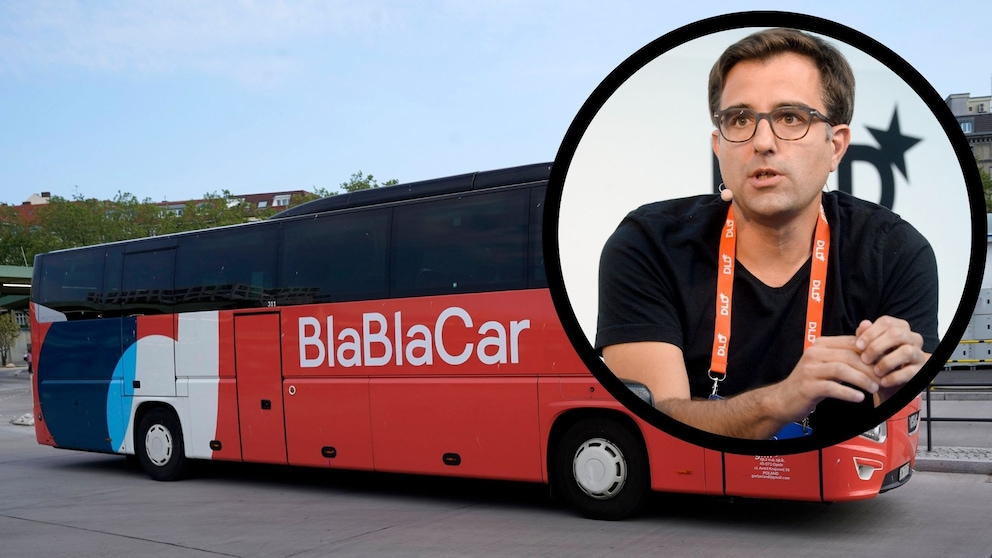
With declining COVID-19 numbers, there are more options to travel again. On June 10, the long-distance bus company Blablacar resumed operations in Germany. TRAVELBOOK spoke with CEO and co-founder Nicolas Brusson about his forecasts for summer 2021.
It’s not an easy time for transportation companies worldwide. Brusson makes this clear at the start of the TRAVELBOOK interview. The constantly changing travel conditions of recent months have taken their toll. Blablacar also saw a significant drop in passenger numbers in 2020–though at “only” 30 percent, not as dramatic as in the airline or cruise industries. This smaller loss is attributed not to the buses but rather to Blablacar’s ride-sharing service.
Nevertheless, bus operations are now being ramped up again in Germany–even though it’s still uncertain whether there will be enough interest. According to Brusson, there’s a trend working against long-distance buses: the move to the countryside. “In recent months, we’ve seen that connections from city to city have become less in demand,” Brusson says in the TRAVELBOOK interview. At the same time, long-distance buses are only profitable in urban areas. So why decide to resume operations now?
Also of interest: EU adopts new COVID-19 travel regulations for the summer
Blablacar CEO: “It could be that more people travel this summer than before the pandemic”
“We are currently seeing that demand is definitely growing again–especially among younger people,” Brusson emphasizes. While it’s still too early to make a final assessment of how the situation will develop in the coming months, he wouldn’t be surprised if more people travel in summer 2021 than before the pandemic, according to the Blablacar CEO.
This assessment aligns with Blablacar’s decision to further expand previously high-traffic routes in Germany. For example, between Berlin and Hamburg, about 134 trips per week will soon be offered, roughly double the number before the pause. The offer between Berlin and Munich has also doubled.
Is Blablacar planning trains too?
Blablacar is part of the French company Comuto and was long known primarily for its ride-sharing app. Two years ago, the company entered the German long-distance bus market, then still under the name “Blablabus,” dominated by Flixbus.
Flixbus established a second pillar around the same time, Flixtrain. Are there plans for Blablacar to enter the rail sector? “Currently, we can’t imagine that,” Brusson says. Future plans are less about another mode of transport and more about other regions. There are still significant growth opportunities, especially in Latin America.