

July 16, 2026, 8:22 am | Read time: 4 minutes
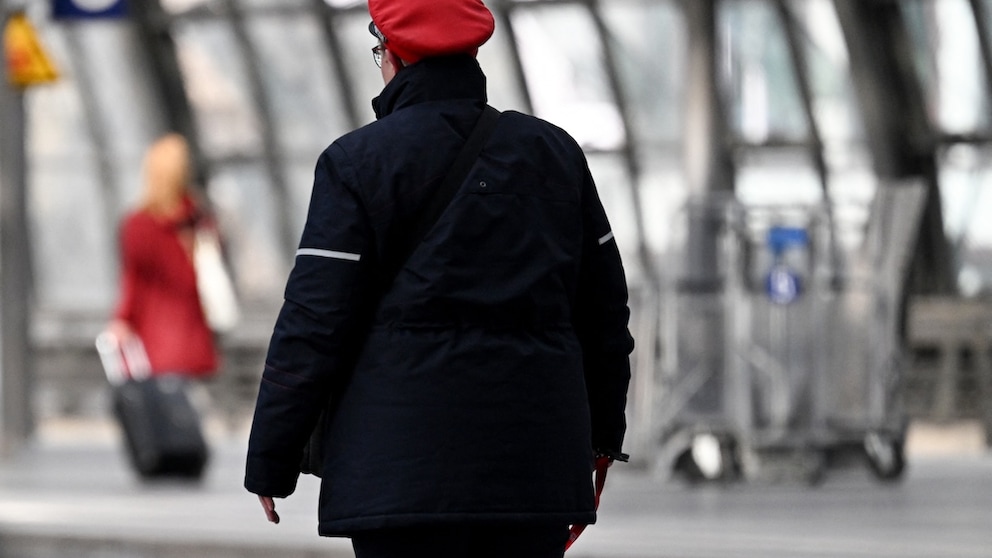
Deutsche Bahn (DB) has been in crisis for months. Delays, train cancellations, and last-minute changes have become routine. For travelers, this is certainly frustrating–often overlooked is who else feels the impact: the company’s employees. Train attendants, in particular, work in an increasingly tense environment. They report high workloads and must also handle passenger frustration. It doesn’t always stop at verbal hostility. TRAVELBOOK takes a closer look at their situation.
Employees Experience DB’s Crisis Up Close
“What goes on behind the scenes here could fill an entire book,” a Deutsche Bahn employee told TRAVELBOOK. The statement hints at how stressful the work is for many employees right now. He and a colleague, who will also be featured in this article, wish to remain anonymous.
In front of the scenes, the situation hardly looks better. For travelers, the crisis is evident through delays, train cancellations, and unreliable long-distance service. Additionally, many rail networks are in need of renovation. Technical disruptions, numerous construction sites, and extreme weather conditions further affect rail operations. At the same time, Deutsche Bahn is grappling with economic issues, detailed in the company’s integrated report for 2025. High losses in long-distance and freight transport meet a significant investment need to modernize the aging rail network.
DB Takes Action, but Is It in the Right Place?
The company is attempting to achieve short-term improvements with several so-called immediate programs. These measures, announced on the website, involve stations, long-distance travel, and customer communication; for example, stations should be cleaner and travelers informed earlier about delays. According to DB, the programs are intended to bridge the time until the long-term infrastructure renovation takes effect.
However, these measures initially change little about many fundamental causes of the problems. Earlier information about a delay may help with planning–but it doesn’t get passengers to their destination faster. The frustration increasingly falls on those who are not responsible for the structural problems of the railway: employees with direct customer contact.
Angry Passengers Attack Train Attendants
As reported by the “FAZ,” in the first five months of the current year alone, 1,630 Deutsche Bahn employees reported being victims of a crime. The German Trade Union Confederation (DGB) has also observed an increase in attacks on employees in public local and long-distance transport for years. It therefore calls for more decisive political action and better funding for public transport. More personnel is particularly important. Train attendants should not be deployed alone on trains. A double staffing could help increase the safety of employees and passengers.
Bodycams as a Response to Increasing Violence
In response to the growing threat, Deutsche Bahn has begun equipping employees in customer contact with bodycams. The cameras are intended to help document critical situations and also act as a deterrent to potential attackers.
For the German Train Drivers’ Union (GDL), this falls short. It sees the personnel shortage as the main cause of the increasing burden on employees. The union demands sufficient train attendants on all trains and points out that rising passenger numbers, a susceptible rail operation, and societal changes lead to more conflicts in everyday work.

DB Employees Warn: “Many Passengers Are Very Reckless”

DB Employees Warn: “Many Passengers Are Very Reckless”
Personnel Shortage Strains Employees and Operations
According to its own statements, Deutsche Bahn has been struggling with a lack of skilled workers for years. Operational areas such as train operations, signal boxes, and maintenance are particularly affected. When personnel is missing in crucial areas, it can impact the entire rail operation–including delays or train cancellations.
The company cites demographic changes and the retirement of many experienced employees as reasons for the tense personnel situation. At the same time, finding qualified employees is difficult, as many activities in rail transport require special knowledge and long training periods.
Not least, the remaining train attendants feel this burden directly. TRAVELBOOK spoke with an employee who was already on duty for twelve hours overnight during a shift. “There are no colleagues,” she explained. And: “We are now surprised ourselves when trains arrive on time.”
Appeal to Frustrated Passengers
As understandable as the anger over canceled trains, hours-long delays, or even a broken air conditioner may be, it should not be directed at those least responsible. Train attendants and other employees in customer contact are indeed points of contact, but not responsible for the structural problems of the railway.
The responsibility lies primarily where decisions are made. The railway’s leadership and politics must ensure that the ongoing crisis, which increasingly feels like a permanent state, comes to an end.
In response to TRAVELBOOK’s inquiry, a DB spokesperson explained that the company is responding to current challenges with more security measures on trains, increased personnel recruitment, and multi-billion dollar investments in infrastructure. At the same time, DB admits that the shortage of skilled workers and the long-standing problems in the rail network remain major challenges.