

October 2, 2025, 3:39 pm | Read time: 3 minutes
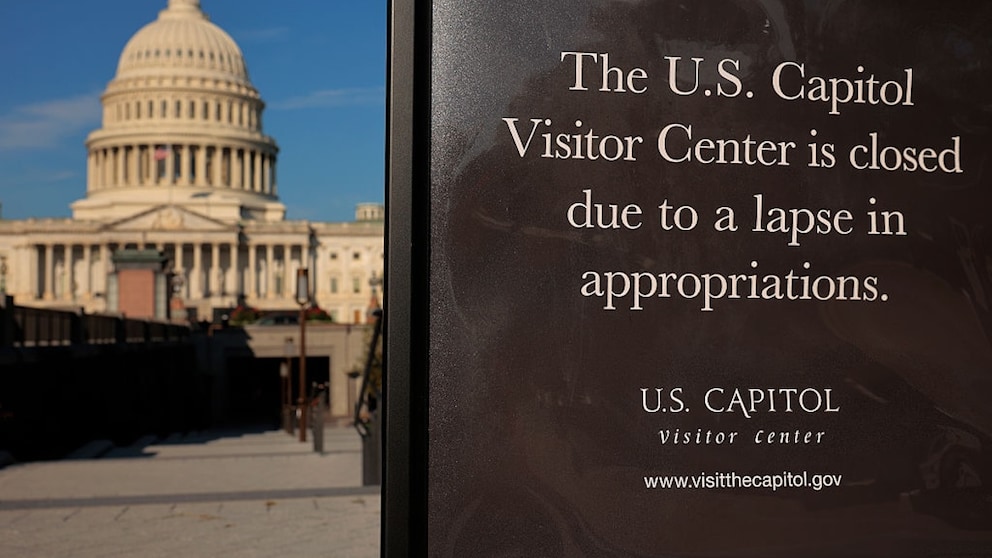
Six years ago, it happened, and now it’s happening again: The U.S. is at a standstill. Because Republicans and Democrats couldn’t agree on the federal budget, and a stopgap funding measure wasn’t passed in time, the so-called “shutdown” has taken effect. TRAVELBOOK explains the impact this government shutdown has on travelers.
Since the night of October 1, the U.S. has been in a shutdown. As the government couldn’t agree on a unified budget, federal spending is severely restricted, resulting in parts of the U.S. government coming to a halt. Many federal agencies are affected, operating only partially or not at all. How long the shutdown will last remains unclear. For travelers, this means closures, longer wait times at airports, and restrictions in other public facilities.
Overview
The Impact of the Shutdown on Travelers
Airport Restrictions
Due to the shutdown, significant restrictions can occur at airports. As reported by the U.S. news portal “CNN,” both domestic and international travelers should expect longer wait times at security checks, flight delays, and possible cancellations. The reason: Although most flight personnel are considered “essential” and must continue working, they do so without pay. This quickly leads to staff shortages and can significantly disrupt airport operations.
Entry into the USA
Entering and exiting the USA is generally possible during the shutdown, but travelers should expect restrictions. Security, passport, and customs checks continue but may take significantly longer. Visa and ESTA applications may also face delays due to minimal staffing in the responsible agencies.
Trains & Cruise Ships
Trains (Amtrak) and public transportation continue to operate as usual during the shutdown, as they are independent of the federal budget. Cruise ships are also unlikely to be affected by the government shutdown, as the Coast Guard and port workers remain on duty, according to “USA Today Travel.”
National Parks with Minimal Staffing
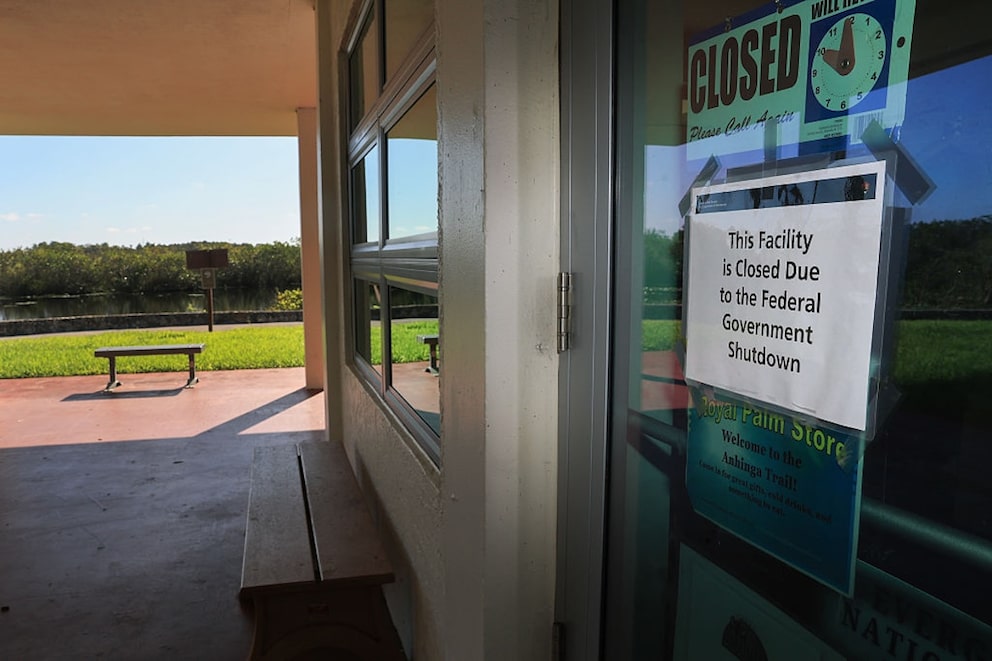
The shutdown also affects National parks. According to “Politico,” most parks will remain open, similar to the last shutdown under President Trump, but with significantly reduced staff. Visitor centers remain closed. In the past, operating with minimal staff and without rangers has led to issues ranging from vandalism to littered public areas. Part of the revenue is therefore intended to fund trash removal and park monitoring.
Museums & Zoos
In Washington, D.C., most major museums, including the National Air and Space Museum and the National Museum of Natural History, as well as the National Zoo, are operated by the Smithsonian Institution. This institution is primarily funded by federal money. As these funds are unavailable during the shutdown, the facilities generally have to close. According to the official website, they will remain open until October 6, as operations can be covered by existing funds until then.