

July 20, 2026, 12:02 pm | Read time: 5 minutes
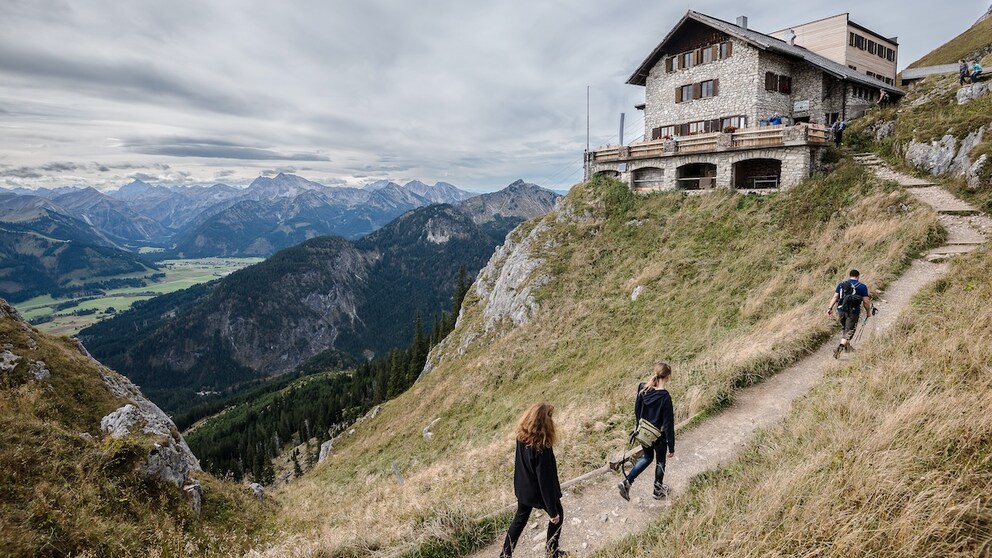
When the mountain season reaches its peak, the alpine huts become crowded. Anyone planning an overnight stay at high altitudes should reserve in advance–and behave considerately. One particular behavior often causes discontent.
The demand for overnight stays in mountain huts by hikers has been steadily increasing for years. The German Alpine Club (DAV) recently observed a growing number of people in the mountains–with consequences: More and more often, the sleeping spaces in the huts are insufficient, which burdens not only the hikers but also the hut staff.
The Annoyance of Double Bookings
An additional stress factor, according to the Austrian Alpine Club (ÖAV), is so-called double bookings–and these are reportedly on the rise. In response to a TRAVELBOOK inquiry, it was stated that it likely involves only a few bad apples, but for the hut hosts, it is frustrating. Hikers reserve sleeping spaces multiple times: either at different huts for the same day or at one hut for several dates. Depending on the weather or personal feelings, they cancel at short notice or simply do not show up. Thirty to forty percent of reservations at Alpine Club huts are canceled.
The ÖAV strongly criticizes this: Such reservations are not only unfair to other hikers and the hut teams but also complicate the organization within the hut. Therefore, the urgent appeal: Make only serious reservations and communicate any changes in plans early.

Also interesting: 6 Tips for Safe Hiking and Choosing the Right Route
How to prepare for a trip with mountain hut stopovers

Alpine Clubs Warn of Bedbugs in Mountain Huts
Digital Tools for Better Tour Planning
Reserving a sleeping space is straightforward–either by phone or email directly with the desired hut. Many huts in the Alpine region are also connected to the online system hut-reservation.org. Those who register there can not only make reservations but also use the Bettencheck tool to check where along their route spaces are still available.
For spontaneous mountain vacationers, the DAV additionally offers the Last-Minute Hut Beds map on its website. It shows available sleeping spaces for the next three nights in huts of the German, Austrian, and South Tyrolean Alpine Clubs.
A Hut Is Not a Hotel
Increasing conflicts in mountain huts raise the question of whether some guests’ behavior has changed. The Austrian Alpine Club certainly sees a need for action: “Carelessness and inconsideration in Alpine Club huts are noticeably increasing,” the association stated last year in response to a dpa inquiry. Consequently, the Alpine Club drafted a so-called Hut Etiquette with the most important behavioral rules. This and general tips have met with great interest among hut visitors. The Alpine Club is convinced that such communication measures can contribute to better understanding, it explained in response to a TRAVELBOOK inquiry.
The most important rule remains: think ahead, plan fairly–and be considerate.
With material from dpa