

August 25, 2018, 11:17 am | Read time: 4 minutes
In some popular vacation countries, rabies is not uncommon. Dogs, monkeys, or bats carry the disease and can transmit it to humans with just a small bite. So when should tourists consider getting vaccinated against rabies?
Vaccination against hepatitis A and B, yellow fever, possibly malaria prophylaxis: For many distant countries, medical recommendations are relatively clear. But is a rabies vaccination absolutely necessary? Many travelers are uncertain. Tropical medicine specialists answer the most important questions:
What is rabies?
Silja Bühler from the Bernhard Nocht Institute for Tropical Medicine in Hamburg explains: “Rabies is a viral infection that is almost always fatal if untreated.” The virus is transmitted by mammals. “Through a bite, scratch, or licking of a wound,” explains the head of the travel clinic. Carriers include infected dogs, foxes, cats, bats, and monkeys. According to the World Health Organization (WHO), dogs are responsible for up to 99 percent of all human transmissions.
Why is rabies so dangerous?
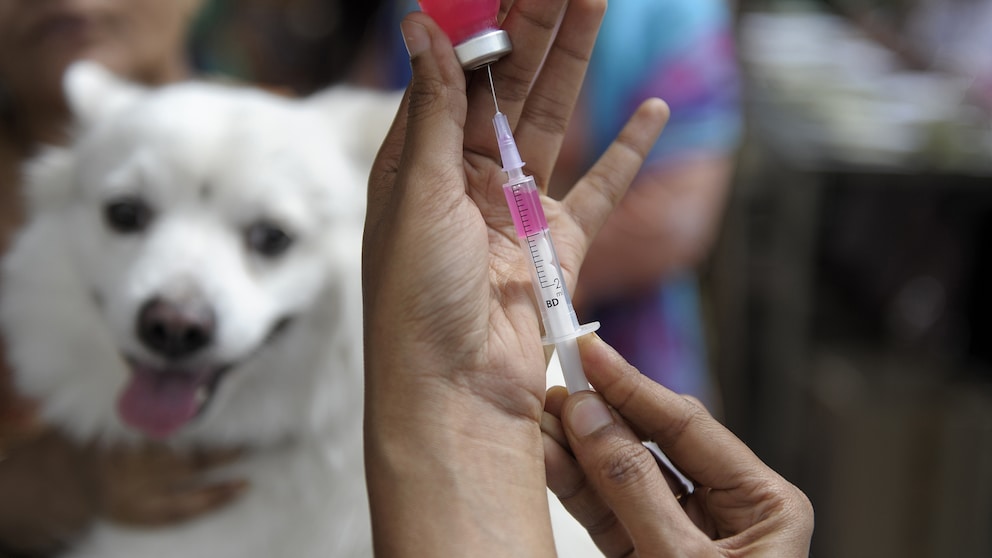
Anyone bitten or scratched by a rabies-infected animal without vaccination is in immediate danger. Once symptoms like paralysis, convulsions, light sensitivity, and aversion to water appear, it is too late. There is currently no curative therapy, explains the Robert Koch Institute (RKI). In the event of a bite or scratch, travelers must act immediately and thoroughly wash the wound with water and soap. “And then get vaccinated as quickly as possible. Do not wait for symptoms,” warns the doctor. No more than 24 hours should pass before post-exposure vaccination.
Where is rabies found?
Germany and several other European countries like Switzerland, Finland, Italy, and France are officially considered rabies-free, according to the RKI. However, the WHO estimates that around 59,000 people worldwide die from rabies each year, particularly in Asia and Africa. There is a risk of infection for Germans in countries where rabies is prevalent and widespread. This applies to many popular travel destinations like Thailand, Vietnam, India, and South Africa.

When should I get vaccinated against rabies?
It always depends on the type and duration of the trip. “The longer you stay, the higher the risk,” says Bühler. “Active travelers who spend a lot of time in nature do not necessarily have a higher risk. Stray dogs are often found in cities and towns as well.” Anyone planning to come into contact with animals should get vaccinated–for example, during an internship. This also applies to a three-month backpacking trip through India and Southeast Asia. It’s different for a two-week organized bus tour through Vietnam: “I would discuss with the traveler how to behave after a bite, but not necessarily recommend vaccination.”
It is important whether the vaccine is available in the travel country to quickly get a booster if necessary. Wolfgang Groth from the Berlin Center for Travel and Tropical Medicine explains: “In Thailand, getting a booster is usually not a problem, but in Laos, it becomes more difficult.” If bitten by an animal in Tanzania, according to Groth, one must cross the border to Kenya for vaccination. “Rabies is not a mandatory vaccination, but it is often advisable,” says the doctor. Important for parents: Children have a higher risk of infection.
Read the best travel stories in advance for free! Sign up for the TRAVELBOOK newsletter now!

Rabies Risk on the Rise in Bali: What Travelers Need to Know

Which Vaccinations and Preventive Measures Are Important Before Vacation
How do I protect myself from rabies on-site?
Travelers should stay away from areas where dogs are prevalent. “Do not touch them, no matter how cute they look, not even puppies,” says Bühler. “Always pack food well near temples. There are often monkeys that are very cheeky.”
How does a rabies vaccination work and what does it cost?
Previously, protection required three vaccinations on days zero, seven, and 21. There was also a short-term immunization for last-minute travelers (zero-three-seven). The new WHO vaccination schedule, according to Bühler, now only requires two vaccinations, but the Standing Committee on Vaccination still recommends the old schedule with three vaccinations. The vaccination is not cheap: The three shots usually cost more than 200 euros in total. If the vaccination is advisable for a trip, the health insurance may cover it. Whether and when a booster is needed must be clarified with the doctor.