

October 23, 2025, 11:03 am | Read time: 5 minutes
They are beautiful—but can also be quite dangerous. Year after year, countless people are drawn to adventure destinations that make for great stories but are definitely not for the faint-hearted. Whether it’s steep mountain paths, roaring waterfalls, or dizzying heights, these places are spectacular and sometimes life-threatening. TRAVELBOOK showcases the most exciting and dangerous adventure destinations in the world.
For many travelers, it’s not enough to view particularly spectacular places from a safe distance; they want to feel the adrenaline. Whether at the crater’s edge of a volcano or directly above rushing waterfalls, some of these spots can quickly make you feel uneasy.
Overview
The 7 Most Dangerous Adventure Destinations
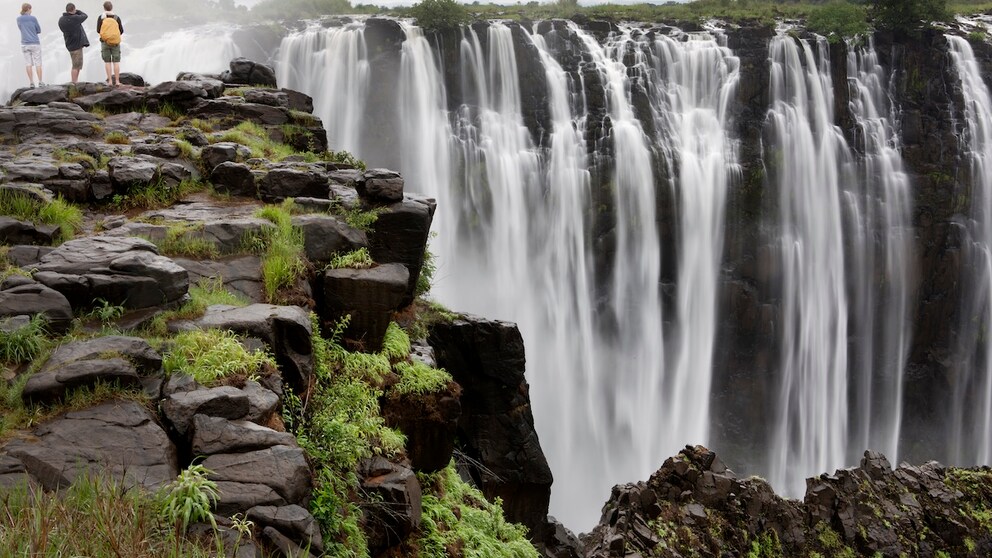
Devil’s Pool – Victoria Falls, Zambia
Swimming at the edge of Victoria Falls is actually possible in the “Devil’s Pool” in Livingstone, Zambia. Victoria Falls is located in southern Africa on the border between Zambia and Zimbabwe and is one of the seven natural wonders of the world. The Devil’s Pool is a natural rock pool on the Zambian side of the falls. Beyond it, the water plunges about 360 feet into the depths.
Swimming is only allowed during the dry season between September and December, when the water level is low enough and a natural rock edge prevents you from being swept over the edge. Nevertheless, caution is advised: Anyone wishing to visit the pool should do so only as part of a guided tour.

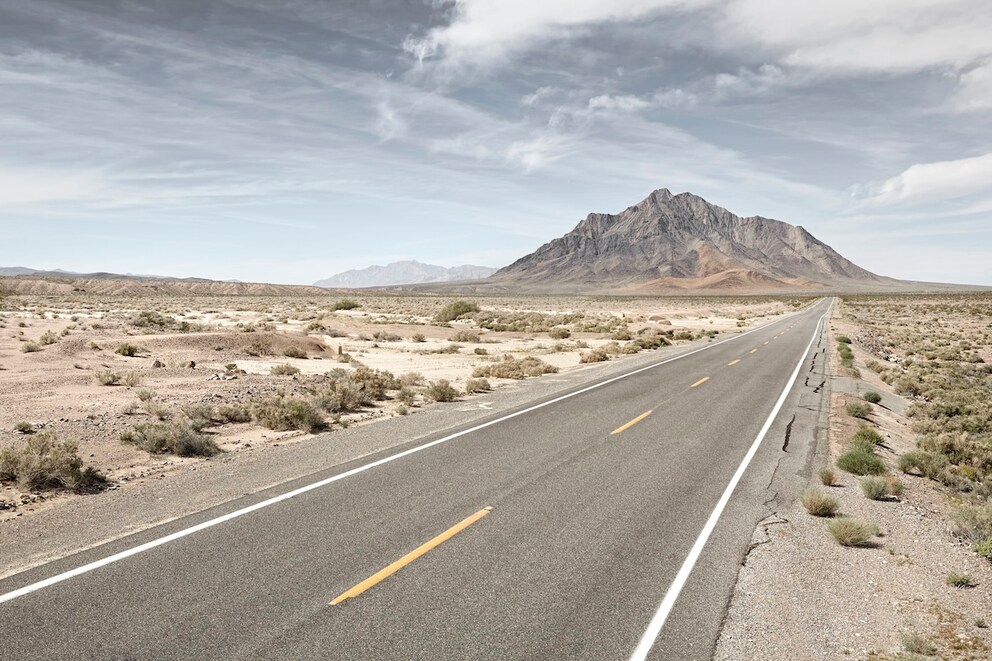
Death Valley – USA
It is one of the hottest places on Earth: Death Valley is mostly in California and partly in Nevada, and is one of the driest regions on the planet. Nevertheless, the national park attracts more than a million visitors each year who want to experience the endless expanse, sand dunes, and bizarre rock formations. Among the most famous viewpoints are Zabriskie Point, with views of the colorful rocks of the Amargosa Range, and the Artist’s Palette, whose colors are created by oxidized metals.
It becomes particularly dangerous during the summer months: Between July and August, the thermometer regularly climbs above 113 degrees Fahrenheit, sometimes even over 122 degrees. Anyone in Death Valley at this time risks heatstroke, dehydration, or circulatory problems—an excursion should therefore be well-prepared.
Mount Everest – Nepal/Tibet
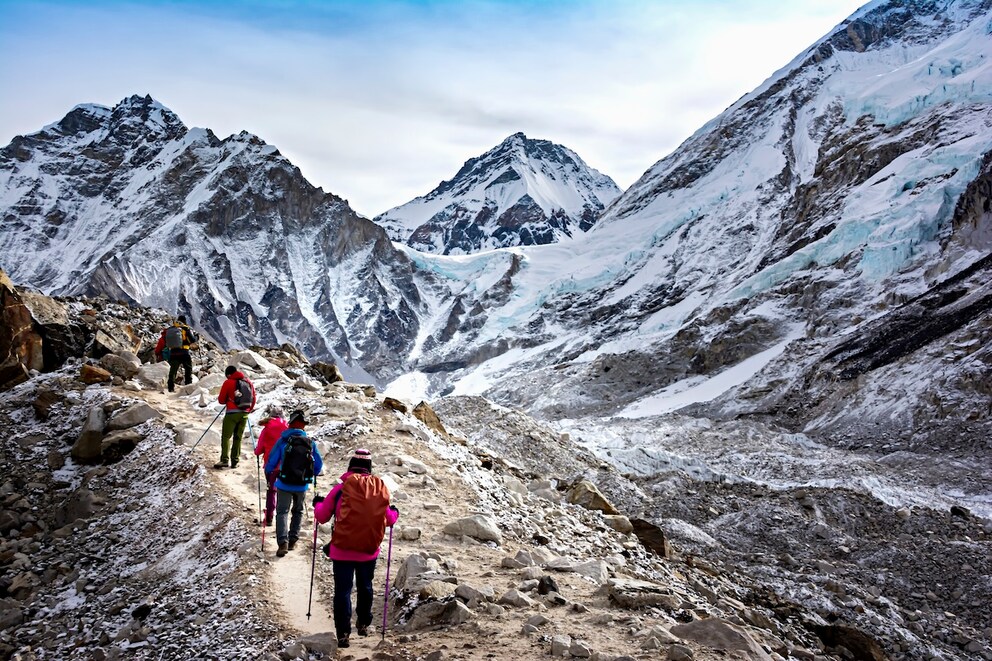
Mount Everest is the highest mountain in the world—and attracts countless climbers every year. At 29,032 feet, it is the highest point on Earth and part of the Himalayas, also known as the “Roof of the World.” However, many who attempt the ascent never return.
By the time climbers hit the so-called “death zone” above 26,247 feet, it becomes life-threatening: The oxygen is so scarce that even experienced mountaineers can die from exhaustion or altitude sickness. Dangerous traffic jams occur repeatedly because too many inexperienced climbers are on the move at the same time. Recently, dozens of climbers were stranded on Everest due to a sudden snowstorm—another risk that the world’s highest mountain brings.
Broomway – England
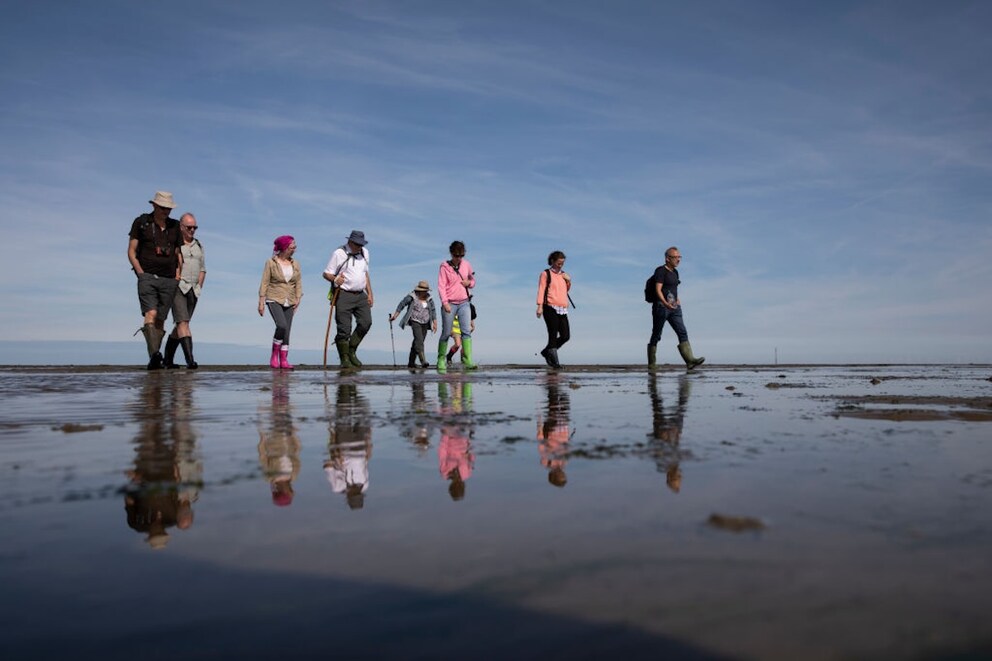
The Broomway on the east coast of England is considered one of the country’s most dangerous paths. The trail runs about six miles over the Maplin Sands to the remote island of Foulness. Along the way, there are sandbanks, quicksand, mud, and even unexploded ordnance from past military exercises. No wonder the Broomway, also known as “Doomway,” is said to have claimed more than 100 lives, according to the BBC. At high tide, the path disappears completely underwater—those who turn back too late are caught by the rapidly rising tide. Today, it may only be accessed on a few days each month and only with experienced guides.
Haiku Stairs – Hawaii
Another adventure destination that technically should no longer be accessed is the Haʻikū Stairs, better known as the “Stairway to Heaven.” The approximately 4,000 steps of the legendary stairway wind almost vertically up a mountain ridge on the island of Oʻahu in the U.S. state of Hawaii. Originally, the stairs were built during World War II to reach a military radio station of the U.S. Navy.
In 2024, demolition work finally began, but that didn’t stop some daring visitors from continuing to take photos on the forbidden stairs. However, those caught faced a fine of at least 560 euros or even imprisonment. The “Stairway to Heaven” is particularly dangerous due to dense fog, strong gusts of wind, and the decaying steps.
Lake Natron – Tanzania
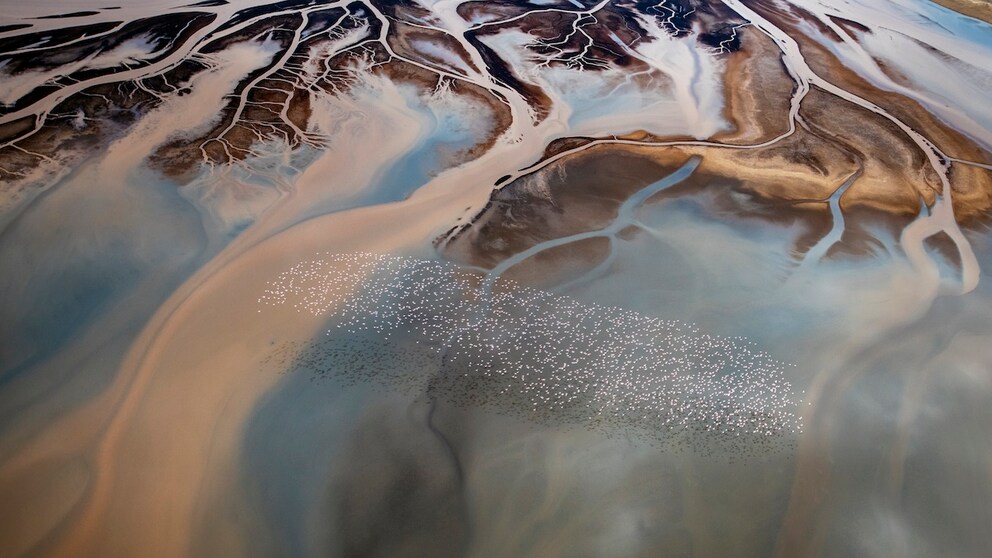
A natural phenomenon that looks impressive but can be dangerous for humans and animals is Lake Natron in northern Tanzania. Located on the border with Kenya, the water shimmers in red, pink, and orange tones thanks to algae and microorganisms.
However, its high content of sodium carbonate and other salts makes the lake extremely alkaline—animals that fall in are preserved by the minerals and appear petrified. The water is also highly caustic for humans and therefore life-threatening. The unique aspect: Despite these inhospitable conditions, Lake Natron is an important breeding ground for flamingos, which nest here in large numbers.
Half Dome, USA
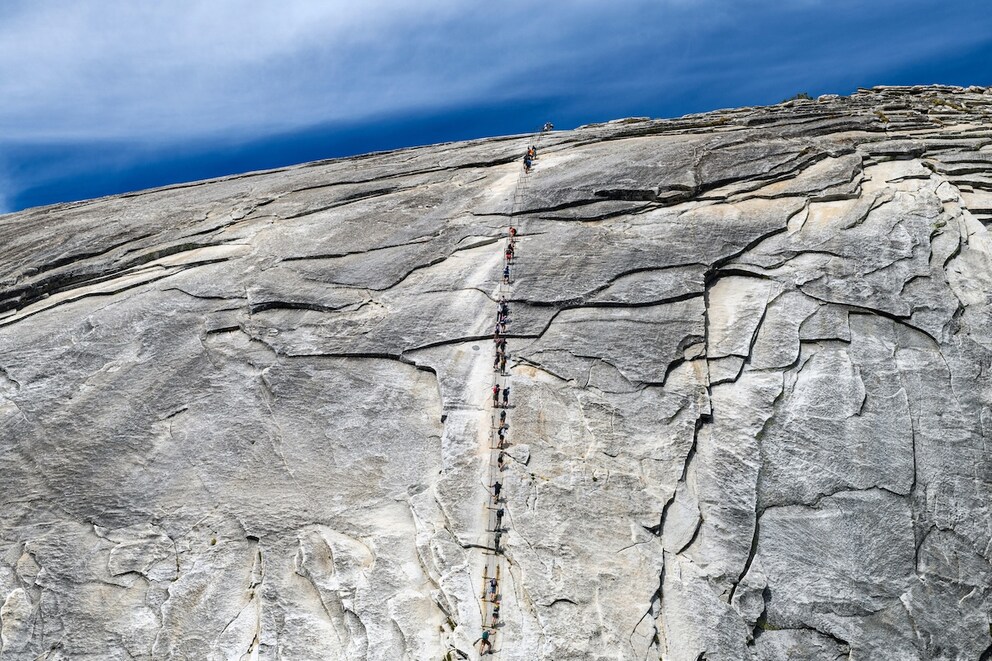
Half Dome is one of the most famous landmarks of Yosemite National Park in California, and one of the most impressive challenges for hiking enthusiasts. In the final stretch of the approximately 14-mile trail, hikers must pull themselves up the smooth granite wall almost vertically using two steel cables, known as “Cables.” However, in rain, wind, or with the wrong footwear, the ascent can quickly become dangerous.