

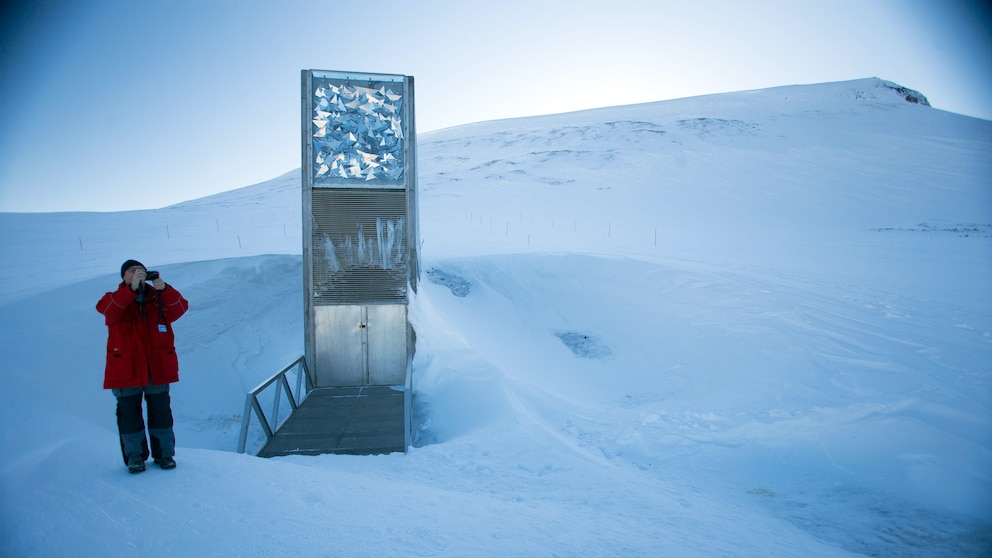
January 2, 2026, 1:03 pm | Read time: 7 minutes
They are so secret that most people are unaware of their existence: There are places in the world that ordinary mortals will never see. TRAVELBOOK presents 9 places that no one is allowed to visit.
One might think that every corner of the Earth has long been explored by tourists. But there are places that no ordinary person is ever allowed to enter—and many people don’t even know they exist. These are places that are secret because they are meant to hold secrets. With so much secrecy, it’s no wonder that legends form and conspiracy theorists come up with sometimes bizarre answers to the open questions.
Overview
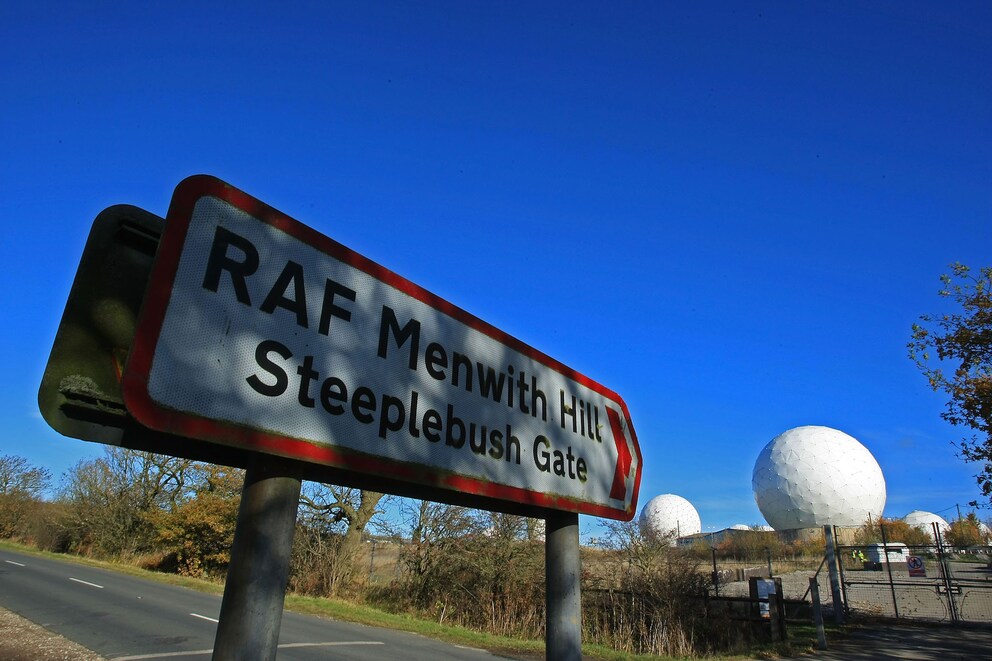
Royal Air Force Menwith Hill, North Yorkshire, England
Is this the global headquarters of espionage? Of course, little is known about this secret place. But the military base is said to house the headquarters of Echelon, the espionage network of the U.S., the United Kingdom, Canada, Australia, and New Zealand. The base was established in 1954 to monitor Soviet communications during the Cold War. To this day, it is suspected that the world is being eavesdropped on from here. Only Echelon employees and the U.S. agency NSA have access.
Ni’ihau, Hawaii, USA
Niʻihau is a quasi-private island belonging to Hawaii, covering 180 square kilometers. Eighty-four people live there as their ancestors did. They gather and hunt. There are no roads or water pipes, and solar power exists only in the school where islanders can send their children.

Sold to wealthy plantation owners in 1863, practically no one has been allowed to enter Ni’ihau since 1915. Only those who receive an invitation from an islander may visit. The local Coast Guard patrols the surrounding waters to ensure it stays that way. Since the early 1990s, the isolation has been slightly relaxed: For several thousand euros, one can go on a hunting tour on Ni’ihau. Nevertheless, contact with the locals is to be strictly avoided.
Officially, it is said that the aim is to preserve the language—a Hawaiian dialect is still spoken here—the culture, and the unique flora and fauna. However, the commercialization is viewed very critically.
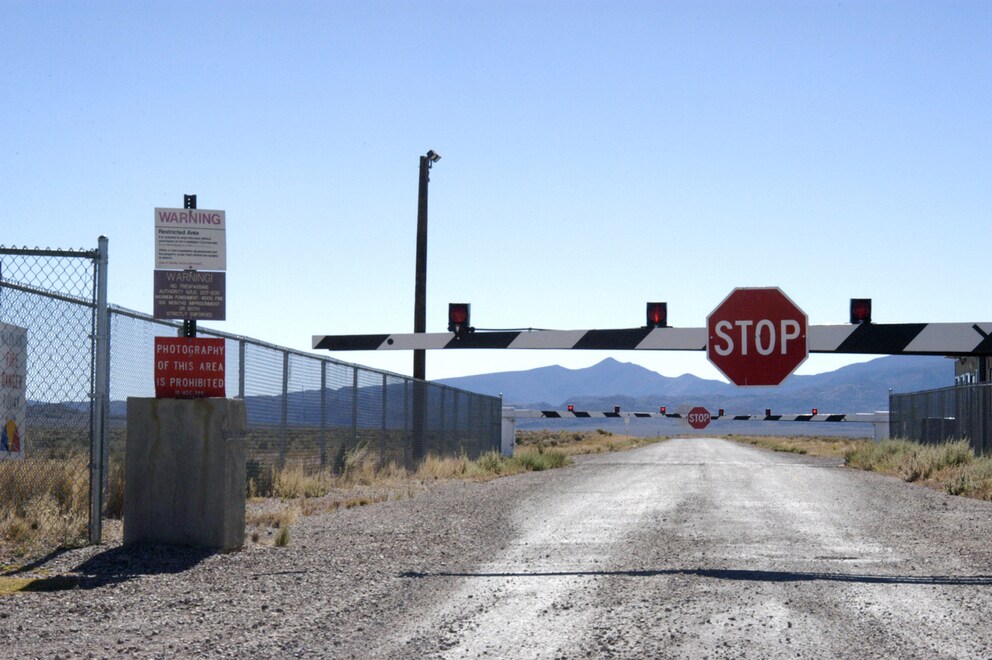
Area 51, Nevada, USA
The mother of all secret places in the world has been the focus of global attention for decades. The main reason is that no one knows exactly what really happens in this military restricted area. Rumors suggest that a UFO allegedly crashed here in 1947 and that aliens are being studied. The existence of the restricted area was officially confirmed only in 2013. According to the CIA, the site is used to test new aircraft. Entry is strictly prohibited to ordinary people to this day, and many questions, such as those about strange light phenomena over the area, remain unanswered. That’s why Area 51 continues to attract conspiracy theorists.
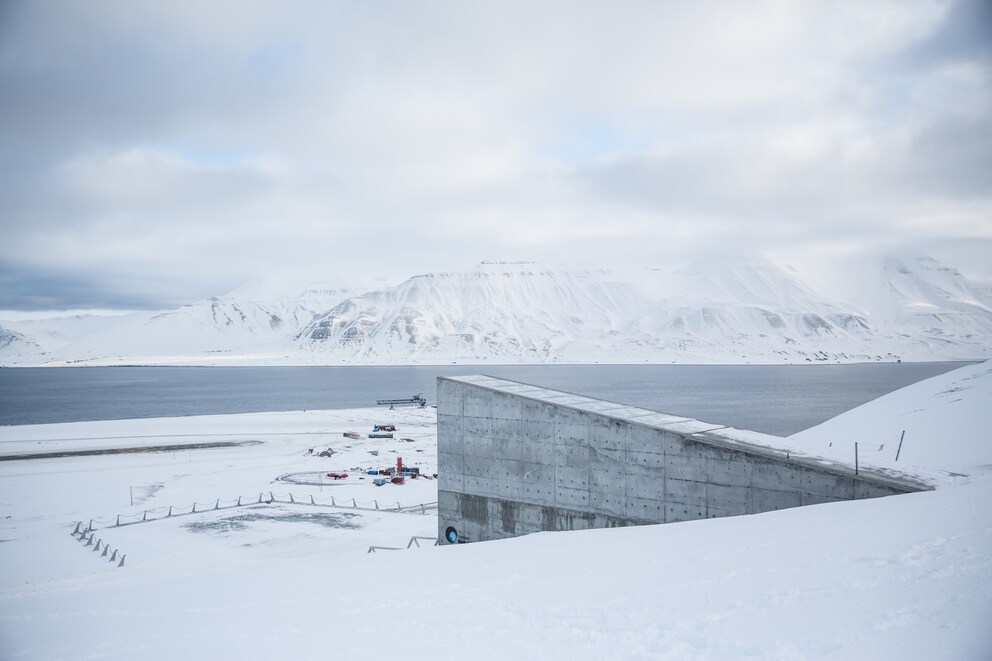
Global Seed Vault, Svalbard, Norway
At this secret location, in a bunker 120 meters deep in a mountain, lies the future of humanity, preserved for eternity—or at least a few centuries. Here, crop seeds are stored, frozen, and hermetically sealed. In total, there are an incredible 250 million specimens of 850,000 seed varieties from around the world. Should disasters occur that destroy natural resources and plant species, the Svalbard Global Seed Vault serves as a kind of backup. Access is granted only to researchers and project staff, as it is intended to be a “Noah’s Ark” for plants.
Iron Mountain, Pennsylvania, USA
This secret place is also a high-security bunker. But it doesn’t store seeds; it stores data. And not just any data, but according to “The Richest,” the most important data of some of the world’s largest companies. Twenty-two stories deep in an old mine, data treasures from Bill Gates, as well as from government agencies and music labels that store the master tapes of their biggest stars, are kept. The place is named after the company Iron Mountain, which operates such bunkers worldwide. There is also such a depot in Germany, in Hamburg. There, the data is stored behind a 750-kilogram steel door that could withstand even a bazooka attack.
Mount Weather, Virginia, USA
The Federal Emergency Management Agency, a kind of disaster relief agency, operates this secret facility. For years, media reports have suggested that in the event of a nuclear war, the “most important” people could be evacuated and thus saved here. The existence of the facility was only revealed in 1974 when the media wanted to report on a plane crash in the immediate vicinity. But federal agents prevented them from taking pictures. Even in the nearby town of Berryville, most residents reportedly still don’t know what actually happens at Mount Weather. In the event of a major natural disaster, Mount Weather could play a crucial role in rescuing relevant U.S. figures.
Lascaux Cave, France
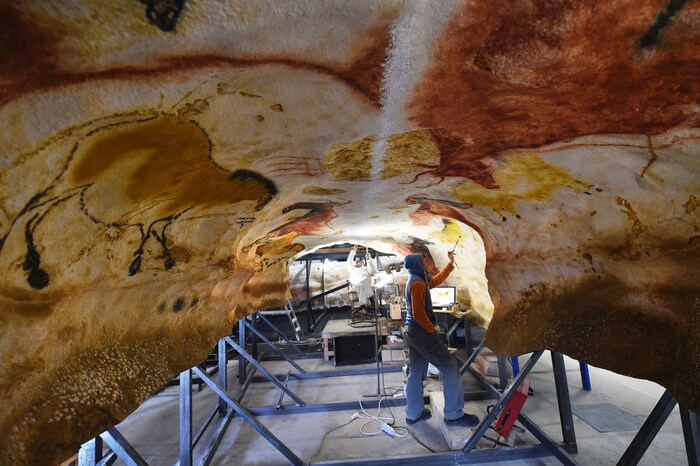
This treasure of human history was discovered in 1940 and contains some of the oldest cave paintings ever. But as early as 1963, the cave was closed to visitors because the paintings began to deteriorate due to the CO2 exhaled by up to 1,500 visitors daily. Thus, the cave became a place that no one is allowed to enter anymore. Tourists need not worry, though, as just 200 meters from the entrance to the original cave, there is Lascaux II, a faithful replica of the real cave. It also features all the wall paintings, with interactive elements for additional explanation. Those interested in learning more about the cave can find tips on the official website.
9 Places Worldwide That Google Maps Can’t Show
Mapped: The perfect road trip through the USA
Fort Knox, Kentucky, USA
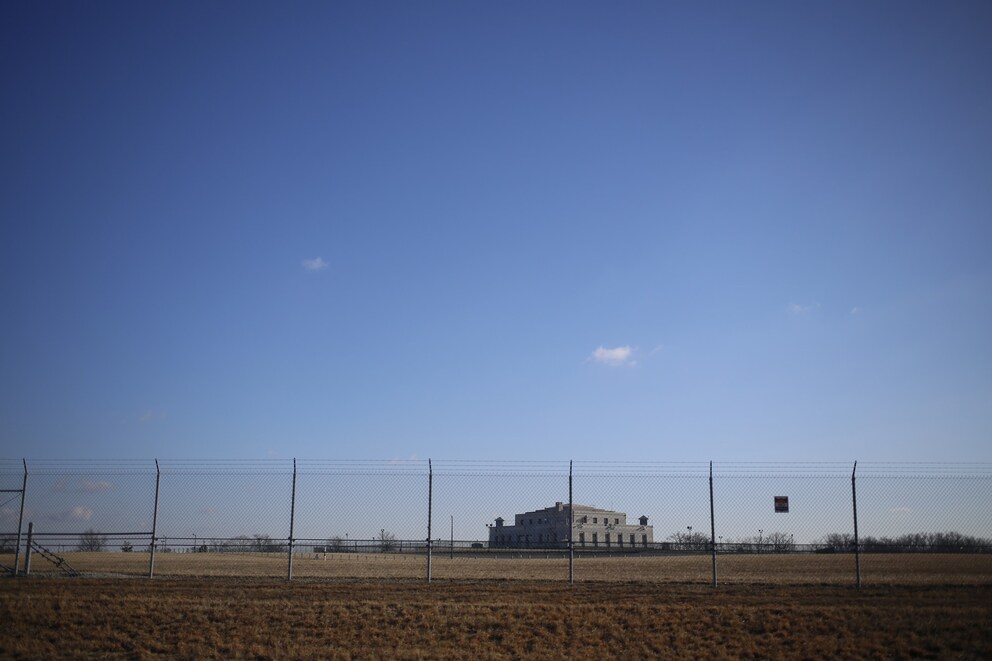
This secret place is said to store not only the U.S. gold reserves but also important documents like the original Declaration of Independence or the Magna Carta. The bunker facility became legendary through the James Bond film “Goldfinger,” in which a villain of the same name plans to steal the gold. Fort Knox is also referred to as the most heavily guarded place in the country. No wonder, as well over 200,000 gold bars are said to be stored here, behind a 22-ton steel door that supposedly could withstand any explosion. The site is also secured by barbed wire and minefields, so no unauthorized person is getting in.
Riems Island, Germany
On the Bodden island off Greifswald (Mecklenburg-Vorpommern), Friedrich Loeffler, a student of Robert Koch, founded the world’s first virus research institute in 1910.
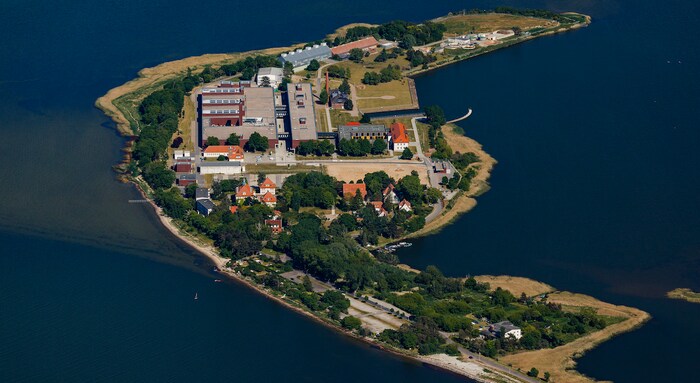
After the Nazis temporarily researched bioweapons on the island, scientists from the Friedrich Loeffler Institute (FLI) continue to study dangerous epidemics on Riems to this day. Therefore, the island is strictly off-limits to the public. A spokesperson for the FLI told TRAVELBOOK upon request: “Riems Island is accessible only to authorized persons (residents and FLI employees), and access permission is required for the FLI’s administrative buildings and laboratories.”