

November 22, 2022, 4:23 am | Read time: 4 minutes
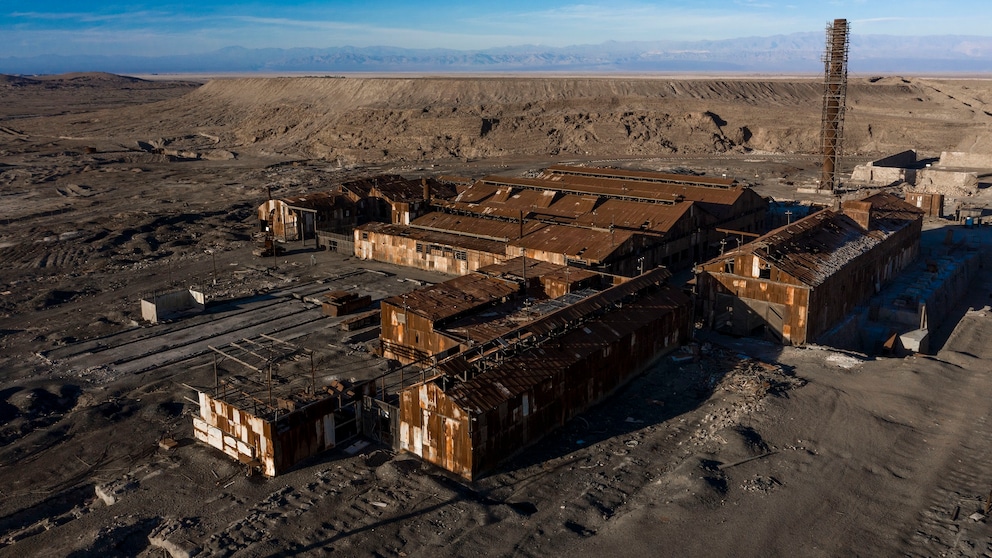
In Humberstone, in the middle of the Atacama Desert, saltpeter was once mined. The raw material was so valuable at times that Chile, Bolivia, and Peru even went to war over it. Today, Humberstone is part of Chile–and has been abandoned for many years. TRAVELBOOK knows the whole story.
It is the year 1872 when a new town emerges in the inhospitable Atacama Desert in northern Chile. Life in Humberstone, named after a British chemist, follows only one goal: the mining of saltpeter, a substance needed in fertilizer production. Due to its value to the world economy, it is also referred to as “white gold.”
According to the “BBC,” soon 3,500 people live in the middle of the Atacama, mining saltpeter around the clock. Humberstone becomes the largest saltpeter town in northern Chile. At that time, the product is so in demand worldwide that, according to estimates from the University of Santiago de Chile, up to 60 percent of its total revenue is temporarily derived from the export of saltpeter. During the late 19th and early 20th centuries, nearly the entire world supply of the raw material comes from Chile. Consequently, Humberstone and the other industrial towns are crucial for the country. They are so significant that Chile is willing to go to war with neighboring Bolivia and Peru over them.
Tips for the northern Chilean ghost town of Humberstone are provided by journalist and photographer Kai Behrmann in the following podcast episode of In 5 Minutes Around the World:
The War Breaks Out
By the late 1870s, Humberstone is under English-Chilean administration but is located on Bolivian territory. When Bolivia also wants to benefit from the saltpeter boom, the country imposes exorbitant taxes on the export of the raw material in 1878. As a result, Chile declares war on Bolivia. The ensuing armed conflict lasts four years and costs thousands of lives. Chile is supported by England, as the two countries jointly exploit the saltpeter. Peru, which also has saltpeter deposits on its territory, becomes an ally of Bolivia.
Also interesting: The story of the ghost town Rhyolite in the USA
Ultimately, Chile wins thanks to the superior British military and annexes the Bolivian province of Antofagasta and the Peruvian region of Taracapa. The result: Humberstone and all other industrial towns in the areas become Chilean. Chile now has a monopoly on saltpeter exports for several decades–until World War I.
The End of an Entire Industry
During World War I, Great Britain temporarily blocks all exports to Germany by sea. Since no saltpeter arrives, German researchers look for an alternative–and soon invent a substitute. Fertilizers can now be produced more efficiently and at a fraction of the previous cost. The saltpeter, over which a war was fought, suddenly becomes completely obsolete.
Also interesting: Balestrino: The Italian ghost town in Liguria
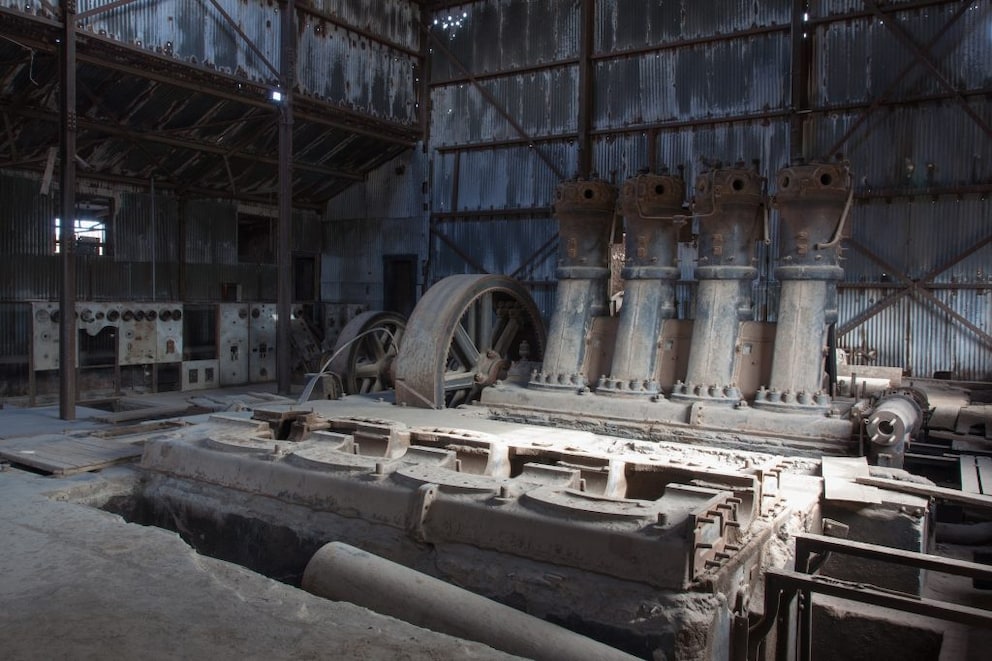
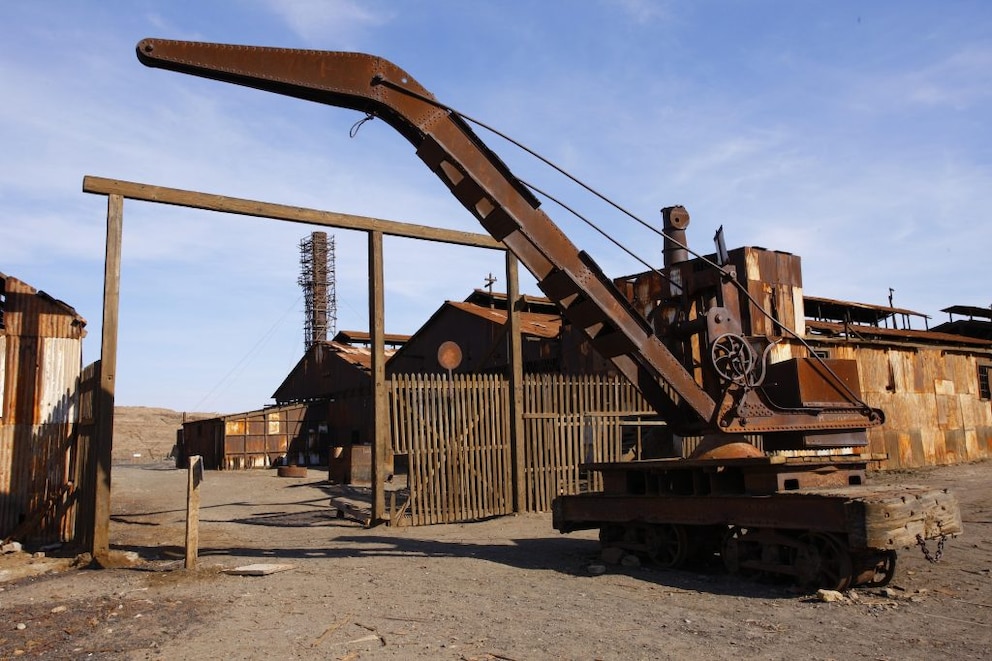
In the following years, Humberstone and other industrial sites in the Atacama Desert become ghost towns. However, the dry desert air helps preserve the sites extremely well. Humberstone actually looks a bit like life could soon return here.
And it does, at least in the form of tourism. As the former largest saltpeter town, Humberstone is a sightseeing attraction. Since 2000, the site has been officially part of the UNESCO World Heritage and is the best-preserved saltpeter town worldwide. Besides the houses and industrial buildings, you can still see the remnants of an old railway line. But nothing has been transported here for a long time.