May 24, 2021, 11:19 am | Read time: 3 minutes
Nearly 80 years ago, the Paricutín volcano emerged in Mexico. Its eruption lasted nine years, consuming the small town of San Juan Parangaricutiro. Yet, this tragedy marked the beginning of a new life for the area’s residents.
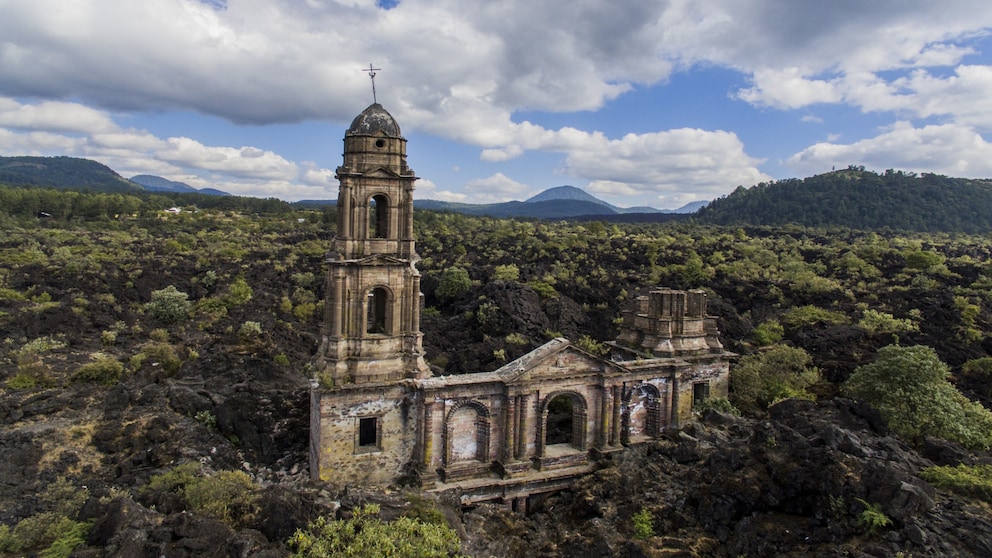
On February 20, 1943, near the small town of San Juan Parangaricutiro in the Mexican state of Michoacán, the gates of hell seemed to open. The earth suddenly tore apart beneath a cornfield, smoke rose. Shortly after, there was an explosion, and rocks pushed to the surface. What must have seemed like Judgment Day to eyewitnesses was, in fact, the birth of the Paricutín volcano.
As reported by “Deutschlandfunk,” farmer Dionisio Pulido, on whose field the natural disaster occurred, ran back to the village in shock to warn his fellow villagers. After just one week, the ongoing eruptions had already buried his corn 150 meters deep. The continuously flowing lava approached San Juan Parangaricutiro. Eventually, the residents had to flee, helplessly watching as their homes and livelihoods were consumed.
The Miracle of San Juan Parangaricutiro
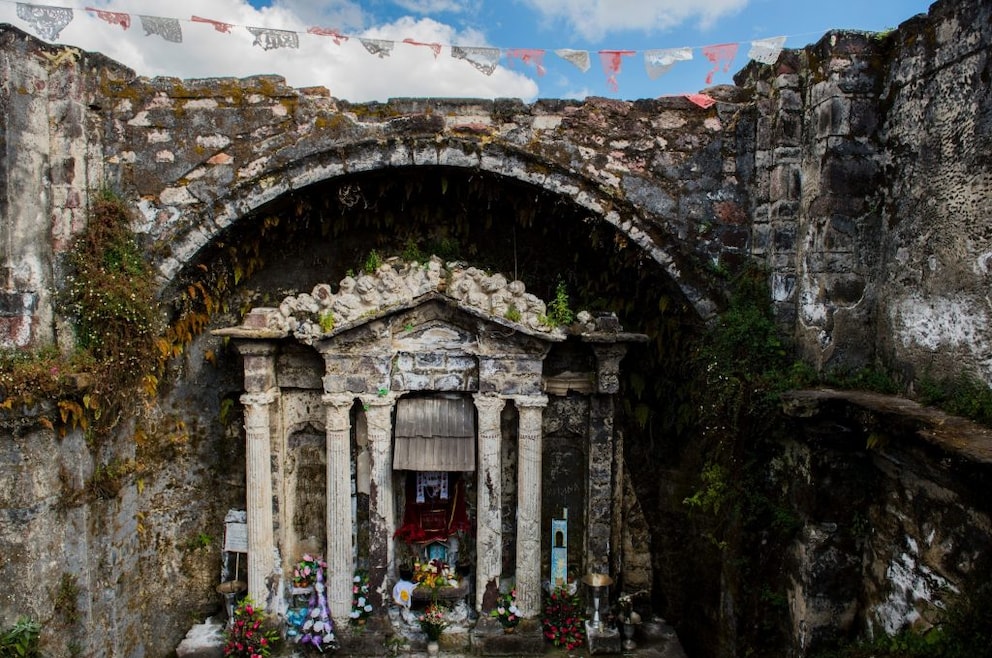
Yet amid all the destruction, a miracle occurred: The fury of Paricutín suddenly stopped, sparing the church of San Juan Parangaricutiro. However, the volcano remained active, with its formation lasting another nine years. Another village fell victim to it. Fortunately, due to the very slow flow of the lava, no one died. The volcano ceased erupting in 1952, by which time Paricutín had reached a height of 424 meters. San Juan Parangaricutiro had long since become a small sensation.
Also interesting: Does blue lava flow from the Kawah Ijen volcano?
The news of the volcano’s birth attracted global attention in the midst of World War II. Early on, research teams from Mexico City and abroad came to marvel at Paricutín. It wasn’t long before San Juan Parangaricutiro became a tourist magnet, especially for people from the U.S. who wanted to see the miracle of the lava church.
The Paricutín Volcano Becomes a Tourist Magnet
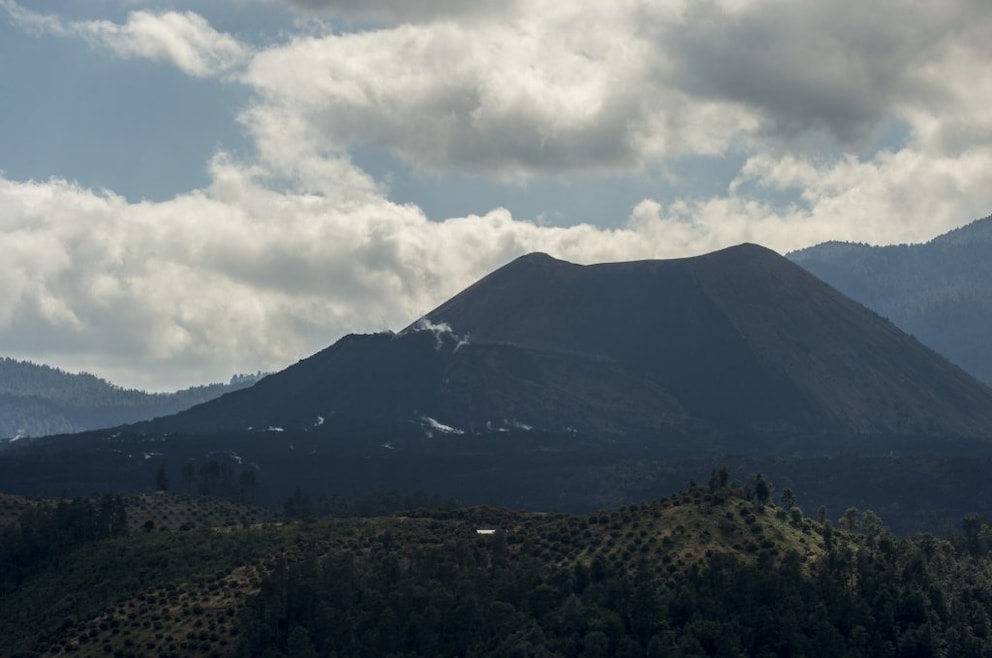
As the magazine “Forbes” writes, during this time, planes on the route from Los Angeles to Mexico City often took a detour so passengers could view San Juan Parangaricutiro and the volcano from the air. By 1947, Hollywood arrived to film the finale of “Captain from Castile” here. In the background, the smoking Paricutín can be seen.
According to “Deutschlandfunk,” the volcano’s eruption was initially a tragedy for the residents of San Juan Parangaricutiro. Yet, this very catastrophe marked the beginning of a new life for them. They first rebuilt their home. Today, most of the town’s residents earn their living from tourism.
Also interesting: Masaya: How a Volcano Converted a Country to Christianity
It’s worth noting that the story of San Juan Parangaricutiro could repeat itself. The region is extremely volcanically active, with a new lava cone forming every few years. Most remain small and “die” right after erupting. Paricutín is now considered inactive, so it can even be climbed. Users of the Tripadvisor portal are enthusiastic about the experience and, of course, the visit to the Mexican Pompeii. “Creepy but beautiful,” writes one user. Another says, “One of the natural wonders of the world.” A third comments, “An incredible experience.”