

November 4, 2025, 5:53 am | Read time: 4 minutes
Forest City in Malaysia was once envisioned as a model city of the future, where up to 700,000 people would find a home near the city-state of Singapore. Launched in 2014 with grand ambitions and billion-dollar budgets, not much remains of that dream today. Not only have investments stalled, but environmentalists also criticize the mega-project as an ecological nightmare. TRAVELBOOK introduces the bizarre ghost town.
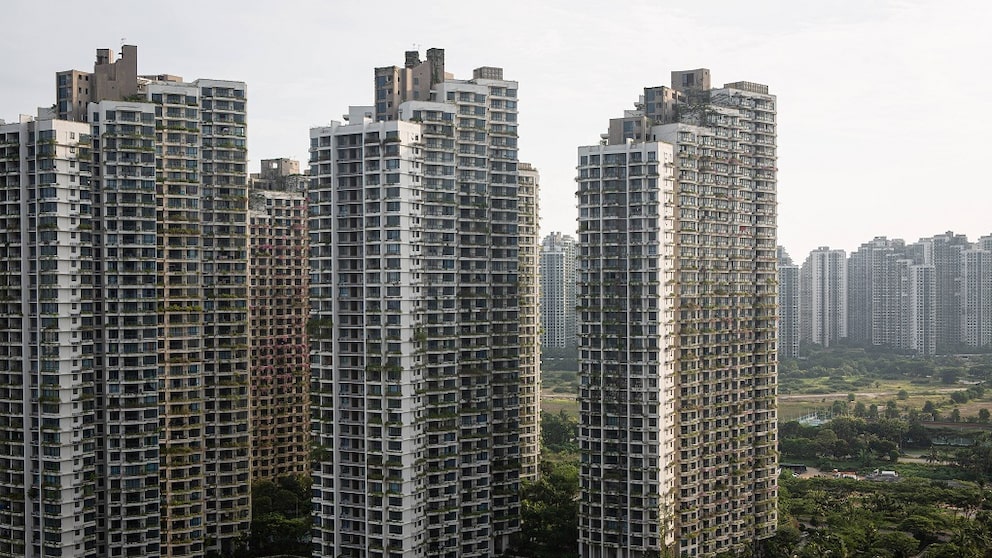
Visitors to the official website of Forest City primarily see one thing: glossy images and visions of a city of tomorrow for the people of today. Spanning 14 square kilometers with four artificial islands reclaimed from the sea, it was supposed to be home to up to 700,000 people. Forest City was built with a billion-dollar budget from China’s largest real estate developer and a Malaysian state-backed company, in which even the current king of the country invested. Of the mega-project that began ambitiously in 2014, not much is left today. Forest City has now become virtually a ghost town.
The dream of a green metropolis with an international school, two golf courses, offices, restaurants, and luxury apartments seems to have failed. According to “ARD,” only about 20,000 people currently live in Forest City, with many of the vertically greened skyscrapers nearly empty. Initially, the $100 billion project seemed poised for success. More than a dozen busloads of potential investors arrived daily, most of them from China. High-end hotels were supposed to host wealthy tourists, and buying an apartment was considered a safe investment in a better future.
Crisis and Pandemic as Show-Stoppers
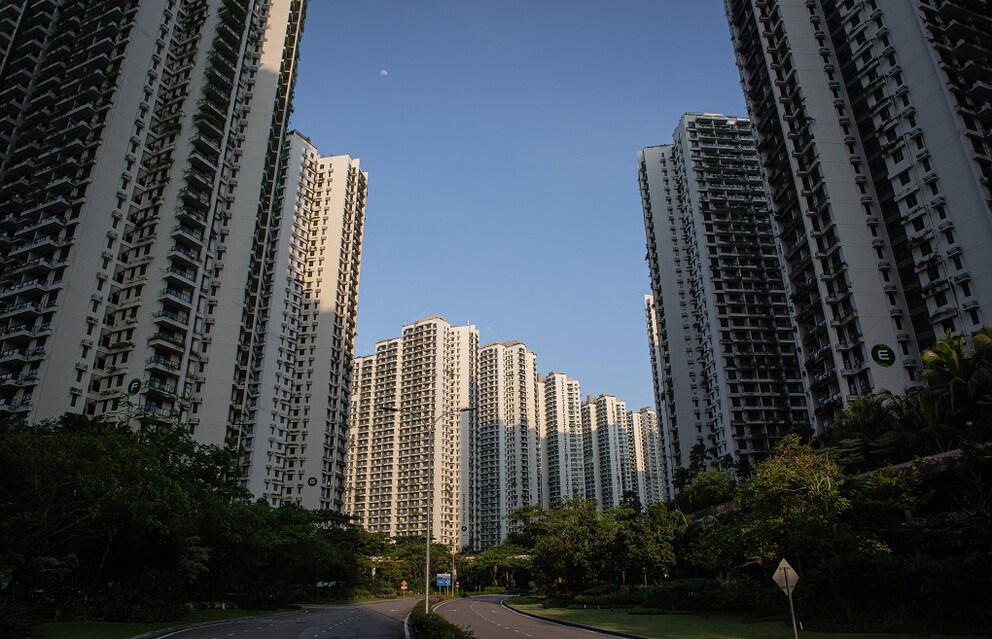
But as early as 2017, the mega-project Forest City stalled when the Chinese government curtailed the flow of money abroad by law. This also halted the influx of foreign currency into the city’s development. According to the Asian news site “CNA,” the COVID-19 pandemic and associated travel restrictions further dampened interest. Additionally, former Malaysian Prime Minister Mahathir Mohamad threatened foreign buyers with tougher visa conditions. He originally wanted to completely ban the purchase of real estate by foreign investors.
Also interesting: Wünsdorf: The once forbidden city in Brandenburg
The first buyers speculated on their supposed dream properties as investments and lost hundreds of thousands of dollars. Today, many visitors come only because Forest City is a duty-free zone where shopping is cheap. This also applies to alcoholic products, making the city a dubious mecca for drinkers. Due to the few people living there, it has also become a popular meeting place for people from nearby Singapore with their affairs.
97 Percent of Value Lost

The ghost town of Forest City has also served as a backdrop for film and television. Netflix filmed the reality series “The Mole” there. However, China’s largest real estate developer was in crisis in 2024, and trading in the company’s shares was temporarily suspended. It has currently lost 97 percent of its original value. Environmentalists also criticize the mega-project, referring to it as “Gotham City” in the “ARD.” For the first of the originally planned four islands, large areas of seagrass meadows in the South China Sea were destroyed, along with breeding grounds for many species of fish and seafood.
Also interesting: Humberstone: The ghost town that sparked a war
Currently, there are still faint hopes that the mega-project Forest City could recover. In January 2025, the Johor-Singapore Special Economic Zone was established to boost trade between Malaysia and the city-state. This could lead to more people settling in the Johor region for work, which includes the current ghost town. The plan might also involve making Forest City a paradise for businesses and wealthy individuals with a zero percent tax rate. Thanks to another special regulation, there are already relaxed conditions for companies and financial regulations.
One problem: Currently, the square meter prices in Forest City are still too high for many locals despite the crisis. The Chinese buyers, who purchased 70 percent of the land sold in the city so far, seem to have lost interest in the project as an investment. Of the planned four islands, only one has been built. Due to its ongoing crisis, the project’s main investor is likely not an option for the time being. The Malaysian company, which holds 40 percent of the project, might fill this gap. With eased visa conditions, there is hope to attract new prospects. Whether this will be enough to give Forest City a future remains uncertain.