

May 18, 2026, 12:03 pm | Read time: 4 minutes
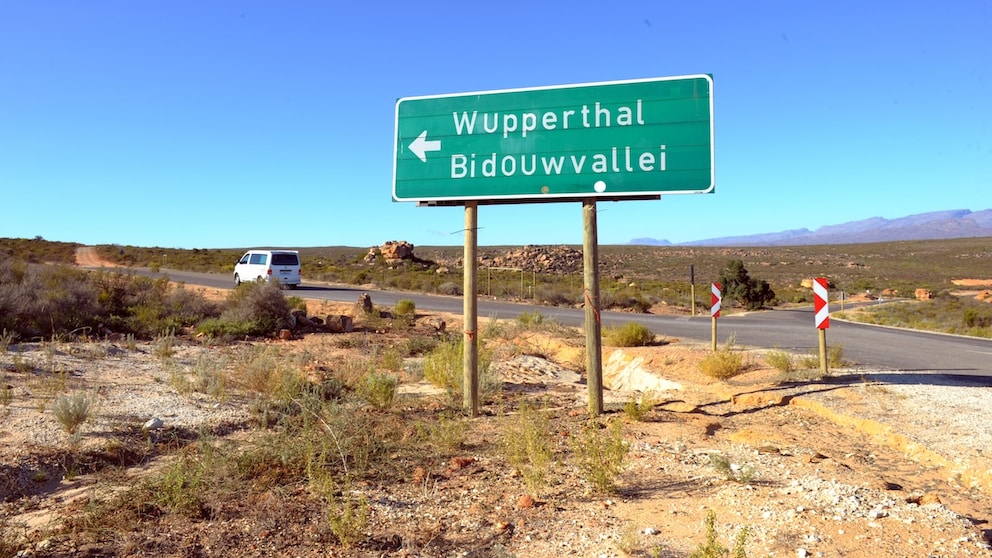
Anyone who thinks place names exist only once in the world is mistaken. Many German city names can also be found abroad. Travelers in the U.S. might suddenly find themselves in Berlin, Hamburg, Frankfurt, or even Stuttgart. And it’s not just that: Hundreds of places worldwide share names with German cities. TRAVELBOOK presents a selection.
The reason for the duplicate place names mainly lies in emigration: In the 18th and 19th centuries, millions of Germans left their homeland and founded new settlements in North America, Australia, or South America. They brought not only their culture but also familiar place names. These traces can still be found on maps worldwide today.
Overview
These 5 German Place Names Also Exist Abroad
Blumenau, Brazil
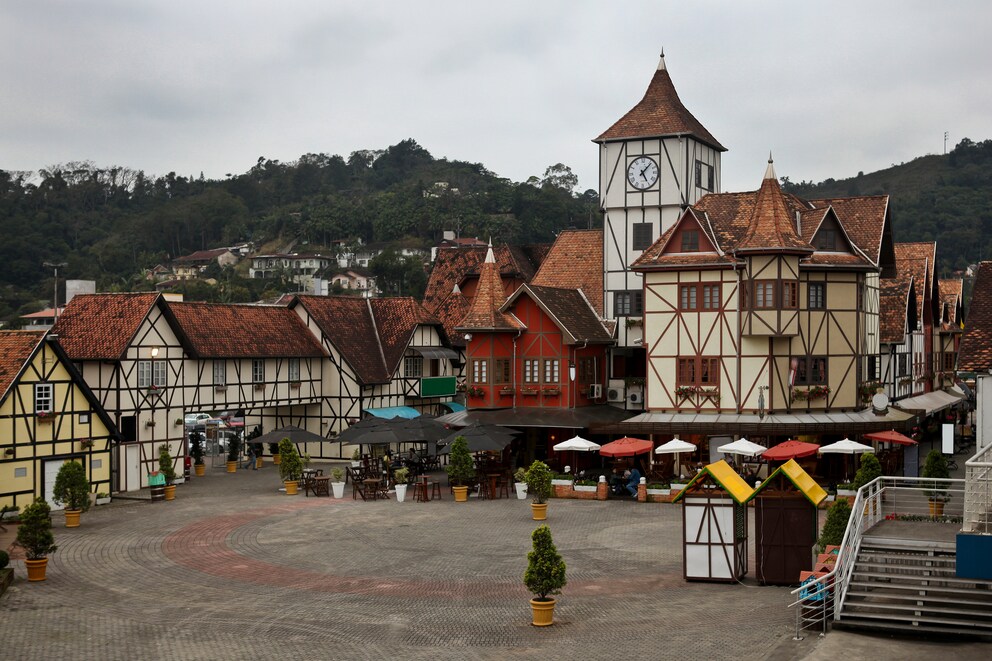
Blumenau is not only in Lower Saxony but also in Brazil. The city in the state of Santa Catarina is considered one of the most well-known places of German culture in South America. It was founded in 1850 by the German pharmacist Hermann Blumenau. Many of the first settlers also came from Germany and left a lasting impact on the region.
The influences are still visible today: half-timbered houses, German cuisine, and even its own Oktoberfest are part of the cityscape. Blumenau is thus considered one of the cities with the strongest German heritage outside Europe.
New Braunfels, Texas
The city of New Braunfels in the U.S. state of Texas was founded in 1845 by German emigrants under the leadership of Prince Carl of Solms-Braunfels. It owes its name to the Hessian town of Braunfels. The German heritage is particularly visible in festivals, gastronomy, and local traditions. The most famous example is the ten-day “Wurstfest,” which is considered a Texan homage to the German Oktoberfest.
Wuppertal, South Africa
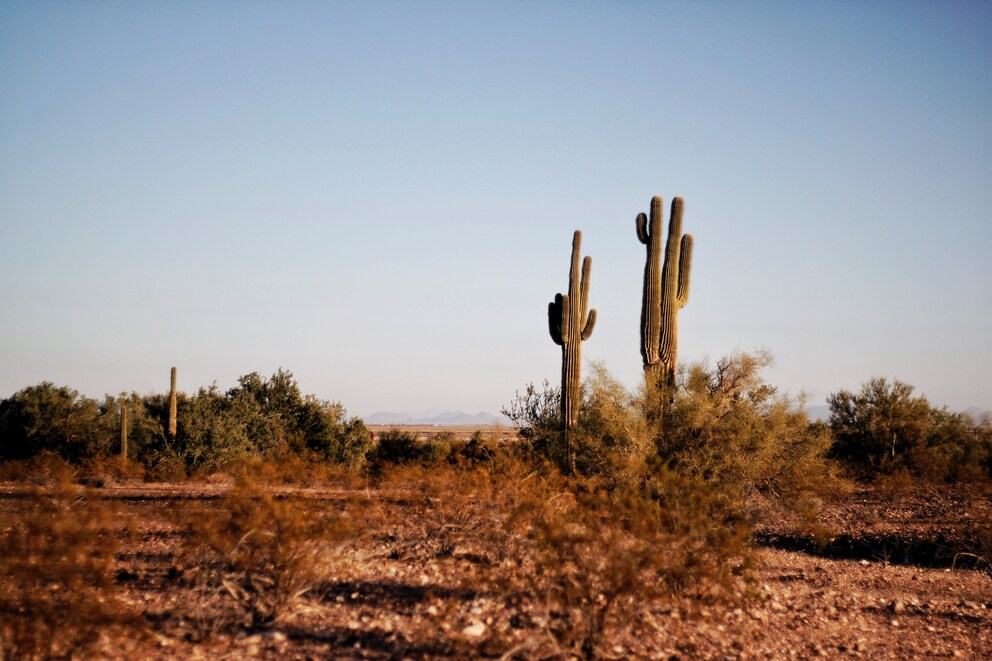
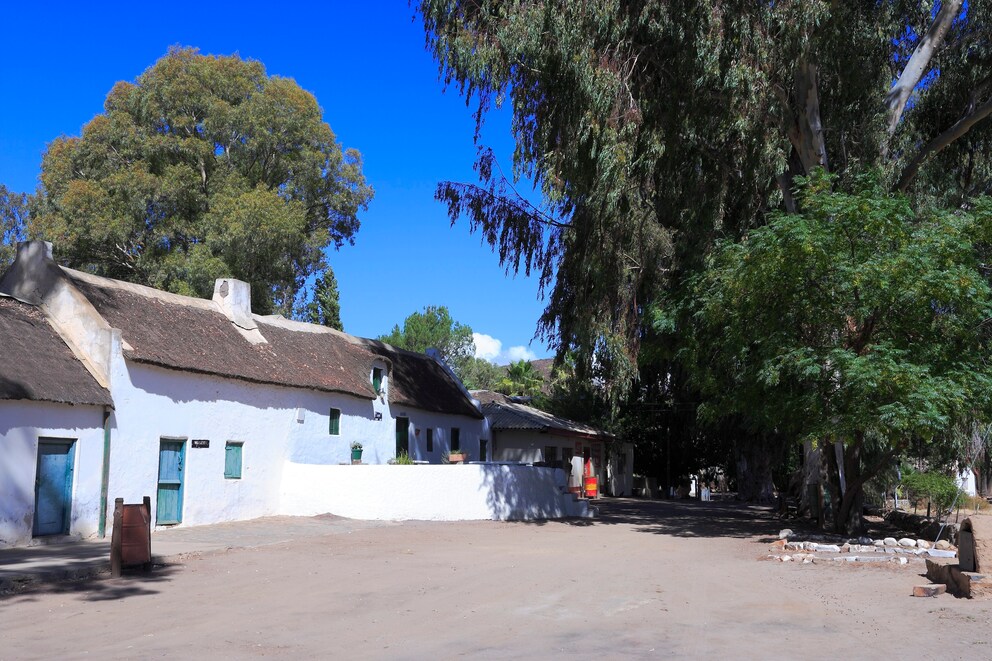
Wuppertal is not only in North Rhine-Westphalia but also in South Africa. The small village, often spelled Wupperthal, was founded by the Rhenish Missionary Society in 1830 under the leadership of Theobald von Wurmb and Johann Gottlieb Leipoldt as a mission station.
Curiously, the South African settlement bore the name even before the German city of Wuppertal was established. It was named after the Wupper Valley in Germany and is thus, strictly speaking, the original namesake. Today, the region is known for its rooibos cultivation, as the travel guide “Kapstadt.de” writes.
Dresden, Canada
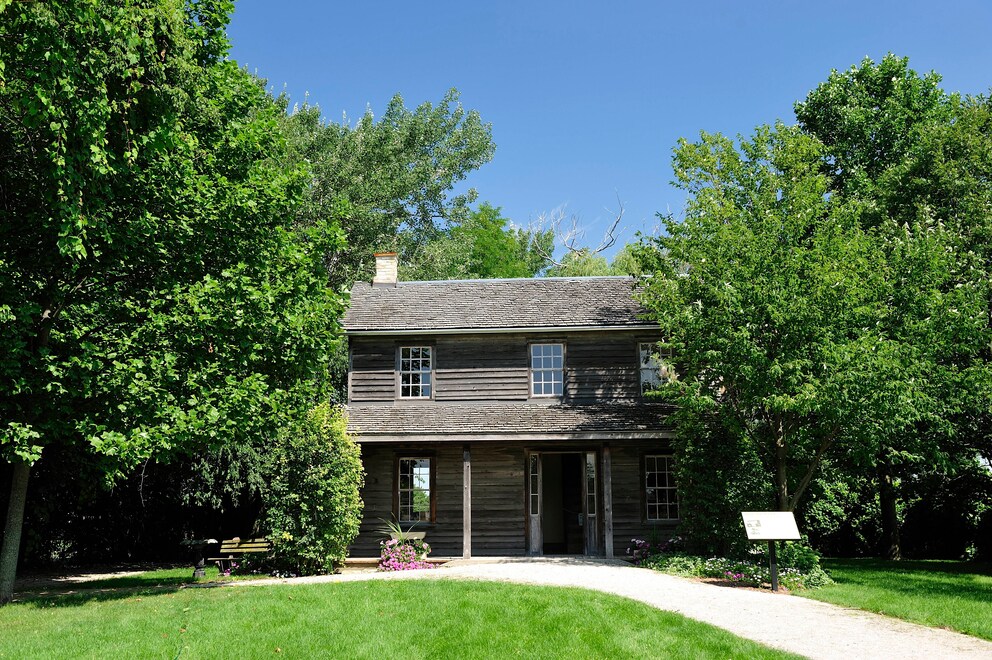
There is also a Dresden in Canada. The small town in the province of Ontario was founded in the 19th century by European settlers. Today, the place is best known for Josiah Henson, a former slave and abolitionist who settled nearby.
His life story is said to have inspired Harriet Beecher Stowe’s world-famous novel “Uncle Tom’s Cabin.” This history is commemorated today by the “Uncle Tom’s Cabin Historic Site,” an open-air museum about the escape from slavery. Due to its location on the Sydenham River, Dresden also regularly attracts boaters and anglers.
Hanover, New Hampshire
The most well-known place in this selection is Hanover in the U.S. state of New Hampshire. The small New England town, with its few thousand residents, seems rather unremarkable at first glance. However, Hanover is internationally famous for Dartmouth College. The elite university is part of the renowned Ivy League and attracts students from all over the world each year. Compared to prestigious institutions like Harvard or Yale, Dartmouth is considered relatively small.
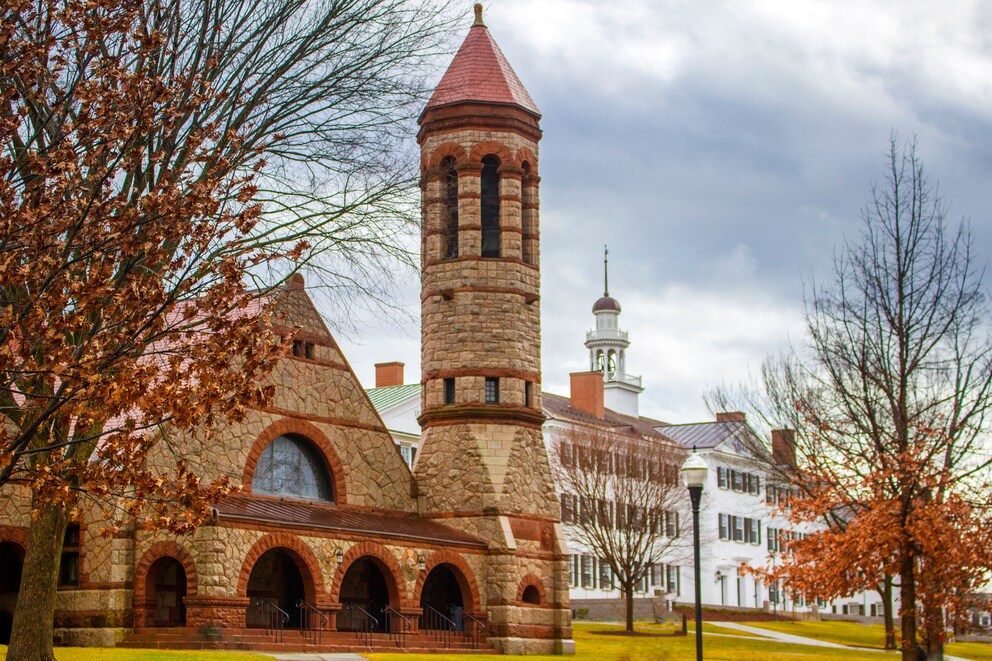
Settlers from Connecticut founded Hanover in 1761. The city was named in honor of the then British royal House of Hanover, whose roots, in turn, lie in the German city of Hannover.