

July 22, 2026, 8:19 am | Read time: 4 minutes
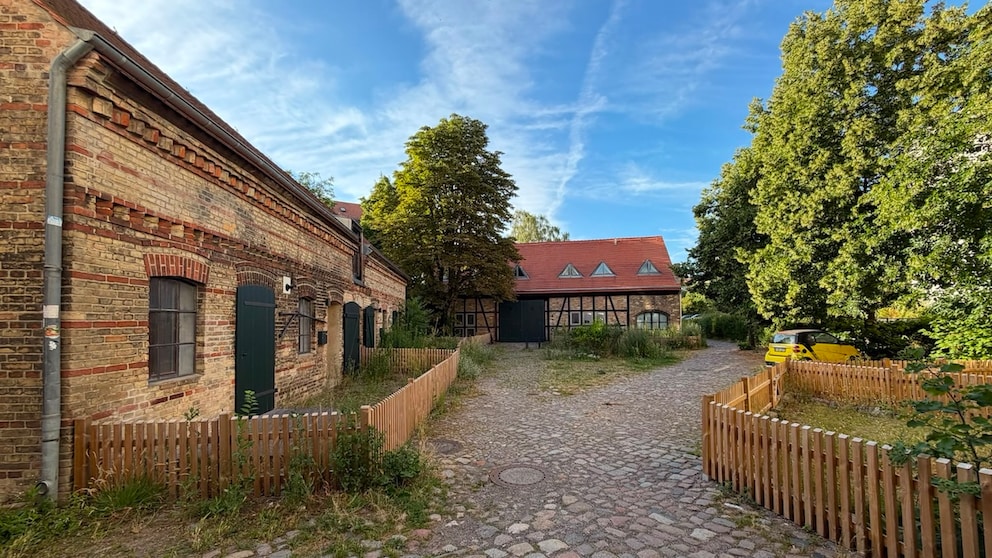
Karl-Marx-Straße and Sonnenallee embody the urban, dense, and international Berlin like few other places. And right between these two main traffic arteries, in the heart of Neukölln—often labeled as a problem district or even “Germany’s toughest neighborhood”—lies a small, different world. It resembles a Brandenburg village more than a Berlin inner-city district. Cobblestones replace asphalt, and well-preserved historic houses with small gardens define the streetscape. Overflowing trash cans, common in other parts of Berlin, are absent here, as is the hectic city bustle. This is Rixdorf.
Even upon leaving the Sonnenallee train station, everything feels somehow different. And the closer you get to the historic Richardplatz, just a few minutes’ walk away, the center of old Rixdorf, the stronger the feeling of arriving in another time or at least a different type of city.
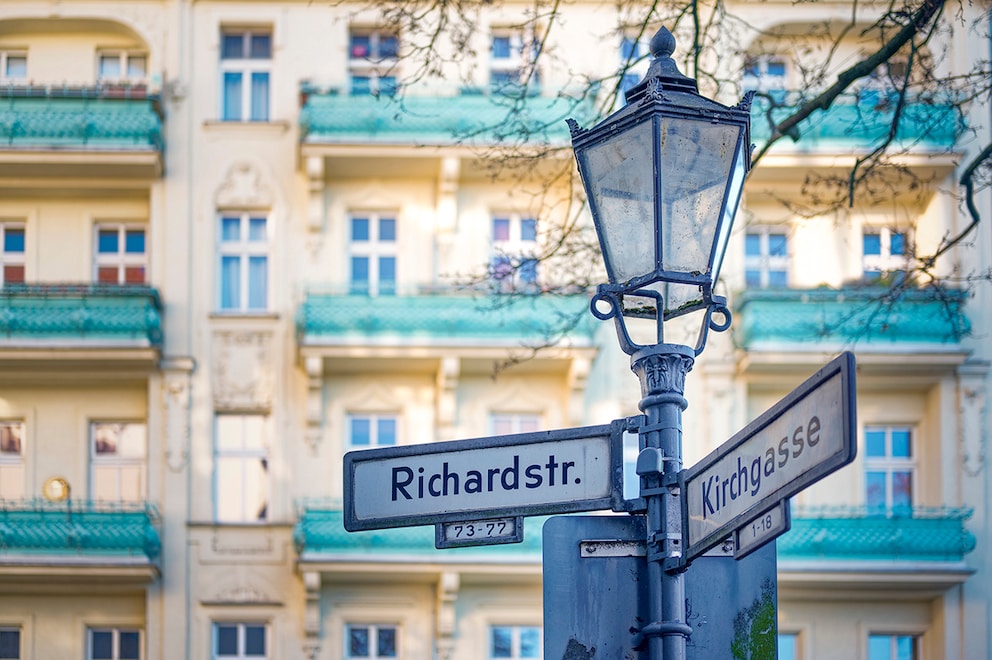
Visiting the Village-Like Rixdorf Feels Like a Journey Through Time
This is not just an impression: Rixdorf is indeed the historic village core of the former Richardsdorf, whose history dates back to the 14th century. More information can be found on the tourism section of the Neukölln district office website. The neighborhood owes its preserved character mainly to a decision made in 1737. At that time, Prussian King Friedrich Wilhelm I allowed Protestant religious refugees from Bohemia to settle here. They founded the Bohemian Village—a settlement with simple, single-story houses, small farms, and gardens. Remarkably, many of these historic structures have been preserved to this day.
In the 19th century, Berlin grew rapidly and expanded further. Dense Gründerzeit neighborhoods with typical Berlin tenement buildings emerged around Rixdorf. However, the old village core remained largely untouched. To this day, it stands as a historical island in the midst of the city.
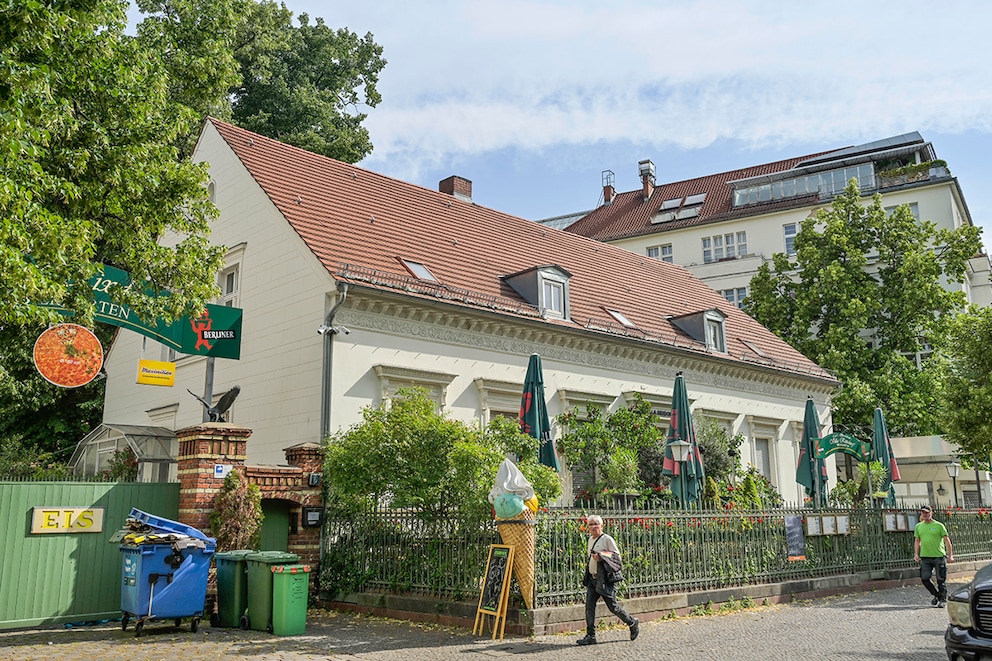
An important part of this unique character is hidden behind the facades. Behind unassuming gates, historical courtyards open up with gardens, fruit trees, and small community projects. Many of these semi-private spaces still remind us of the time when Rixdorf was more influenced by craftsmanship, agriculture, and neighborhood life than by city living.
Architecture Also Changes the Sense of Living
Anyone visiting Rixdorf for the first time quickly realizes: The atmosphere is distinctly different from the surrounding streets. It feels quieter, slower-paced, and surprisingly neighborly.
Among the obvious reasons for this is the unique architecture. The small historic houses offer significantly less living space than the large Gründerzeit blocks in the area. As a result, fewer people live in close quarters. Additionally, there is hardly any through traffic. Instead, there are quiet places, green spaces, and numerous spots where people can sit, meet, or engage in conversation.
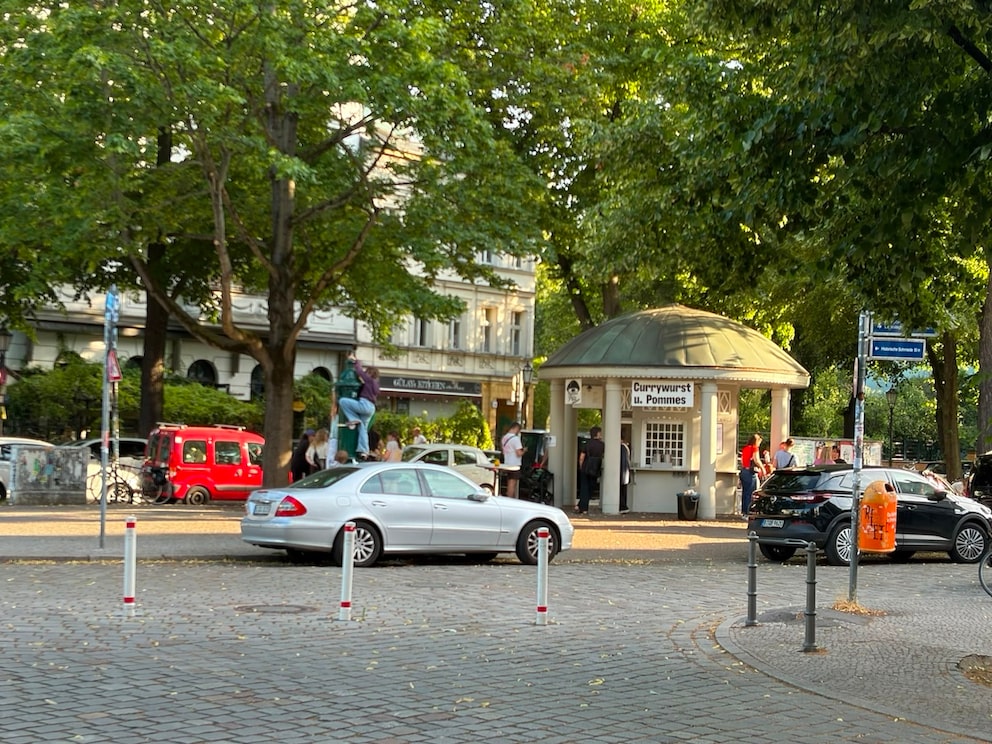
Many residents also contribute to this special feeling. In the small multi-family houses and historic courtyard complexes, some people have lived for a long time, so many neighbors know each other. At the same time, numerous people have consciously moved here over the past decades because they sought this blend of city and village. Families, older Berliners, and creatives appreciate Rixdorf as a quiet retreat without having to give up the advantages of a big city.