

May 20, 2026, 8:13 am | Read time: 3 minutes
Most of us are familiar with the phrase “in the middle of nowhere.” But where does it come from, and is the Pampa a real place? TRAVELBOOK provides the answers.
There are terms that have become so ingrained in our language that we rarely question them. “Pampa” is one such term. Often used when Germans complain about being in a desolate, usually vast area far from civilization, or when they have gotten lost there to their dismay. The colloquial Pampa for Germans is not only an unattractive place but also one that can cause emotional stress for those who find themselves there. However, its origin is not so dreadful. In fact, not at all.
The Term Pampa
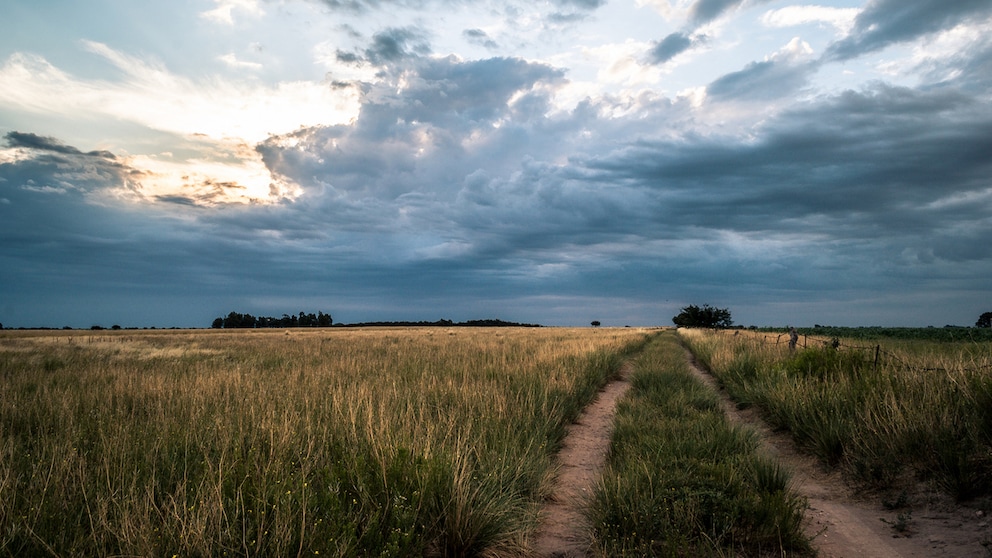
The term Pampa originally means “plain,” as the Duden dictionary states, and it attributes the Spanish word to the Central American indigenous language of Quiché (also K’iche’). According to the Duden, the Pampa is a “flat, treeless grass steppe in South America, especially in Argentina.” It is only in a figurative sense that it is understood as “far away.”
So, the real Pampa is in South America. More precisely, it is found in the southeast of the continent. There, it covers a large part of Argentina, Uruguay, and a southeastern part of Brazil.
Gaucho Region in Argentina
It’s hardly a wasteland here—at least not if you generally like peace, nature, and vastness, and ideally also cowboys and horses. The Pampa consists mainly of a steppe-like grassland, wide and flat. In Argentina, it is the land of the Gauchos, the Argentine cowboys, if you will. According to the German Argentina information site “argentinien.de,” the Pampas form “the agricultural backbone of Argentina due to the fertile loess soils and are primarily used for cattle breeding.”
It’s no wonder that TRAVELBOOK editor-in-chief Nuno Alves once raved in an article about the highlights in Argentina: “If you ever rave about the taste of your Argentine steak again, it’s quite likely that the cattle grazed in the Pampa.”
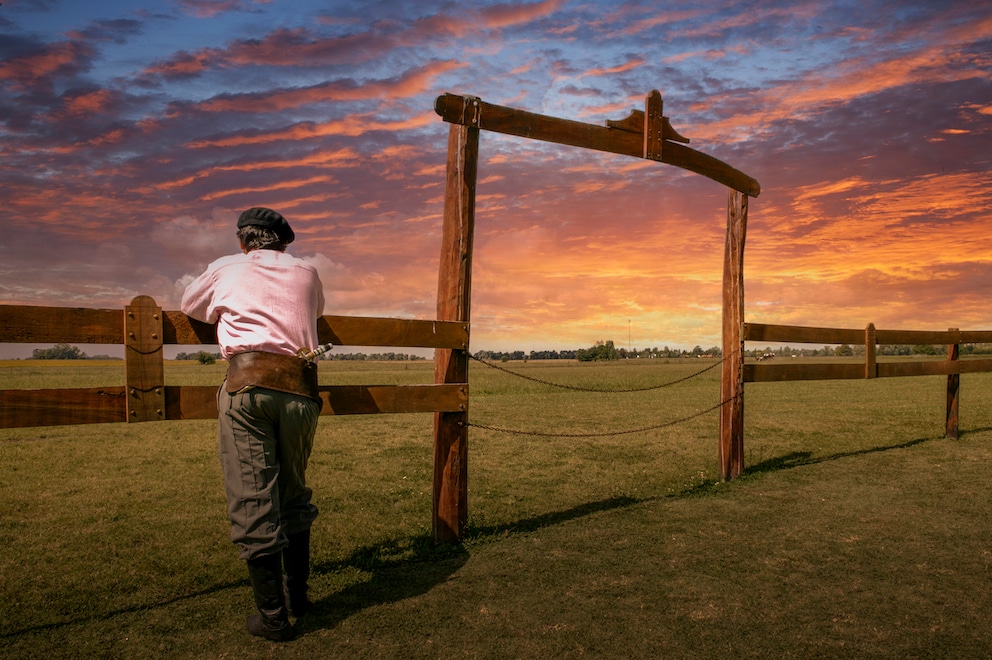
However, the area is not entirely flat. According to the information site, Argentina distinguishes between the humid Pampa in the east and the dry Pampa in the west. The Sierras Pampeanas mountain range lies in its transition area.
Besides being an ecological area, La Pampa is also a 143,440 square kilometer province in central Argentina. Nearly 362,000 people live there, about 100,000 of them in its capital, Santa Rosa de Toay. This makes the province one of the least densely populated in the country.
Vacation in the Pampa
Those who include the Pampa in their travel itinerary to Argentina have the opportunity to experience the real life of cattle ranchers. Various providers offer stays on Estancias, the traditional cattle farms.
For those more interested in hiking than riding, the Lihué Calel National Park in the south of the province might be appealing. According to the hiking site “alltrails.com,” the national park “preserves an ecosystem of mid-mountain ranges amidst the Pampa plains with landscapes that combine grassland, shrubland, and rock formations.” Those who want to stay longer can camp in various sections of the protected area.