

November 24, 2025, 2:05 pm | Read time: 4 minutes
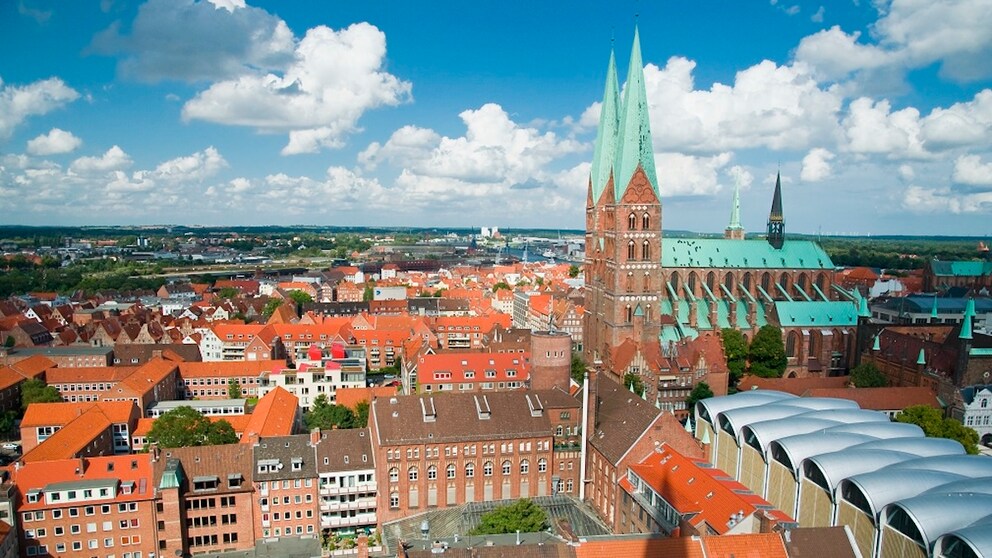
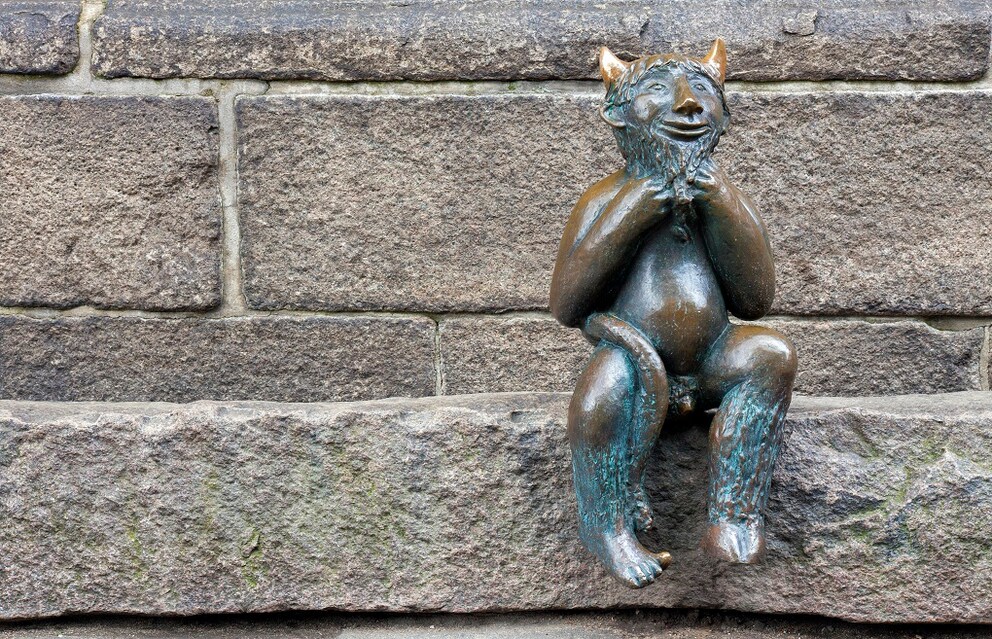
The St. Mary’s Church in Lübeck, Schleswig-Holstein, has a very special “patron saint.” Since 1999, a bronze devil figure has adorned a stone on the facade. This figure is a nod to a popular Lübeck legend according to which Lucifer himself supposedly helped build the “Devil’s Church.” The mini-Satan is one reason the cathedral is a popular tourist attraction today.
Many people visiting St. Mary’s Church in Lübeck, Schleswig-Holstein, today likely have something unusual in mind: a meeting with the devil himself. Of course, this refers not to the biblical figure but to a popular depiction of him. Since 1999, a small, smiling bronze Lucifer has sat in front of the “Devil’s Church,” beloved by locals and tourists alike. It recalls an old city legend that none other than the devil himself helped build the church.
The story of St. Mary’s begins, according to the official tourism site of the city, in 1160. Lübeck became a bishop’s city, and just three years later, the first cathedral was consecrated. In the 13th century, a fire devastated large parts of Lübeck, and the church had to be rebuilt. For this task, the townspeople supposedly enlisted supernatural help. They managed to persuade the Prince of Darkness to assist in building the “Devil’s Church” through a clever ruse.
A Figure Reminds of the Legend
They claimed to Lucifer that they were not building a cathedral at all, but a tavern. This was right up the devil’s alley, so he eagerly lent a hand. Only at the end of the construction did he realize he had been tricked. Enraged, he grabbed a large stone to destroy the “Devil’s Church.” Fortunately, a craftsman managed to calm him at the last second with the promise of building him a tavern. This time, the people of Lübeck kept their word.
Because near St. Mary’s, the Ratskeller can still be found today. Unfortunately, the popular tavern had to file for bankruptcy in February 2025, according to the “Lübecker Nachrichten,” but at the time, Lucifer was reportedly very satisfied with “his” tavern. And since 1999, a small bronze figure of Uriel in front of the “Devil’s Church” reminds us of this story. Created by Lübeck artist Rolf Görler, the version of a cute, smiling devil has become an absolute crowd favorite.
Popular Mascot

Another bizarre story, this one actually documented, surrounds the “Devil’s Church.” According to the official website of the church, it was heavily damaged during a British bombing raid on the night of March 28-29, 1942. The fire revealed something astonishing. The heat caused the plaster to fall off, exposing the original medieval paintings. During their restoration, restorer Lothar Malskat made a dubious name for himself by inventing figures that never originally existed. He eventually turned himself in and became a media sensation due to the scandal.
Today, both Lübeck residents and tourists love their little Lucifer in front of the “Devil’s Church.” Numerous comments on Google about the unusual statue attest to this. One user writes: “No visit to Lübeck without the devil.” Another says: “A friendly devil, always ready for a selfie.” A third comments: “To keep the little devil’s feet warm in winter, the people of Lübeck have put thick socks on him.” Allegedly, rubbing Lucifer’s horns is said to bring good luck, which is why they appear somewhat “worn” now.
A spokeswoman for the Lübeck tourist information says upon TRAVELBOOK’s inquiry: “The devil is also considered a kind of good luck charm, which is why his horns are now completely polished.” Legends and stories like those surrounding the “Devil’s Church” are very popular with visitors to the city. And St. Mary’s Church is rich in them, as there are even two other well-known and beloved figures here. One is a stone mouse in a pillar inside the church, and the other is the so-called “Stone Old Man” in a roof pillar. But you’ll best discover what these legends are about by visiting yourself.