

July 31, 2025, 10:20 am | Read time: 8 minutes
Morocco is a popular travel destination for many. Quite a few are drawn by clichéd expectations reminiscent of “1001 Nights.” Especially the popular Marrakesh often struggles to meet high expectations. Additionally, there are several things to keep in mind in this North African country—at least if you want to avoid negative attention. TRAVELBOOK shows how to avoid disappointments and reveals seven things you should never do in Morocco.
Different countries, different customs—this applies to Morocco as well. Many travelers are aware of this. However, this mindset often leads not only to prejudices but also to disappointments, especially when things are quite different from what was expected. Many have a specific image of Morocco in mind. There are indeed several things to consider to ensure a smooth vacation in this North African country. TRAVELBOOK reveals seven things you should never do in Morocco and offers helpful tips.
Overview
Also interesting: Morocco—the most beautiful travel destinations and best tips
What should you avoid in Morocco?
1. Avoid tourist taxis
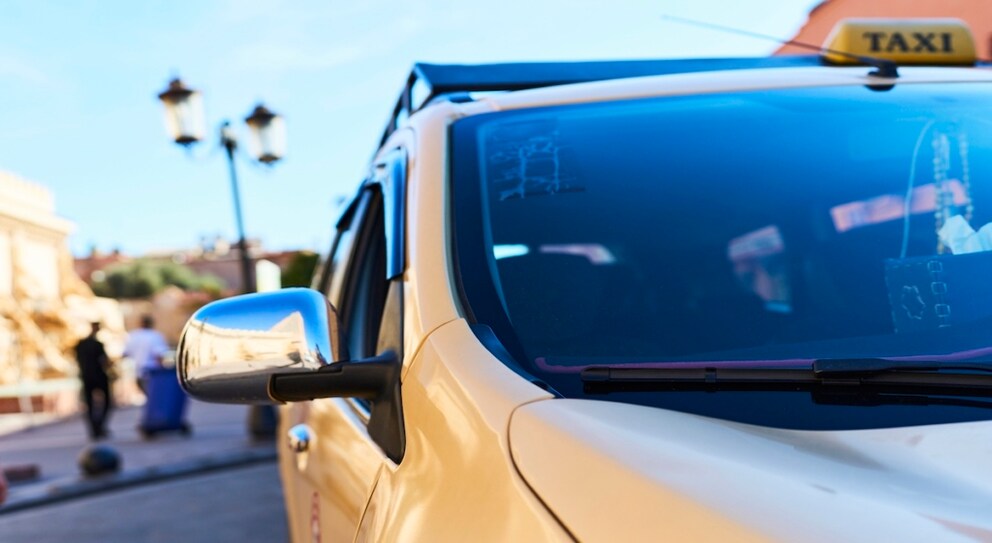
Most Moroccan taxis operate with a meter. However, in areas with many tourists, fixed prices are often offered, which are usually higher than the meter fare. To avoid overpriced rates, steer clear of tourist taxis. They typically wait outside hotels or at airports and are often larger than other taxis. The best way to avoid them is to walk to the nearest street and wait for one of the smaller taxis. Additionally, before starting a ride, ask for the “compteur,” or “meter.”
Our tip: Another option for an affordable taxi ride is shared taxis, known as “Taxi Collective” or “Grand Taxi.” These taxis travel from city to city and can transport up to six people. The ride starts once the fare is reached, with each person contributing about one euro. Taxi apps are another option. They operate through different providers than in Germany but function similarly.
Also interesting: Tips for a trip along Morocco’s Atlantic coast
2. Avoid not having an Internet connection
While an offline vacation may sound appealing, having an Internet connection in Morocco is advantageous. It allows you to quickly gather information or use taxi apps. It’s especially helpful when searching for good restaurants and their reviews. If you decide against it, at least download a map system beforehand. This way, you can search for specific places and navigate offline. Most Moroccan establishments, cafes, bars, and restaurants offer Wi-Fi, as do most airports.
Our tip: You can purchase an eSIM online upon arrival, with all necessary data sent via email. Alternatively, physical SIM cards can be bought at the airport for a small fee.
Also interesting: This coastal town in Morocco is still a real insider tip
3. Avoid high expectations of the “Myth of Marrakesh”
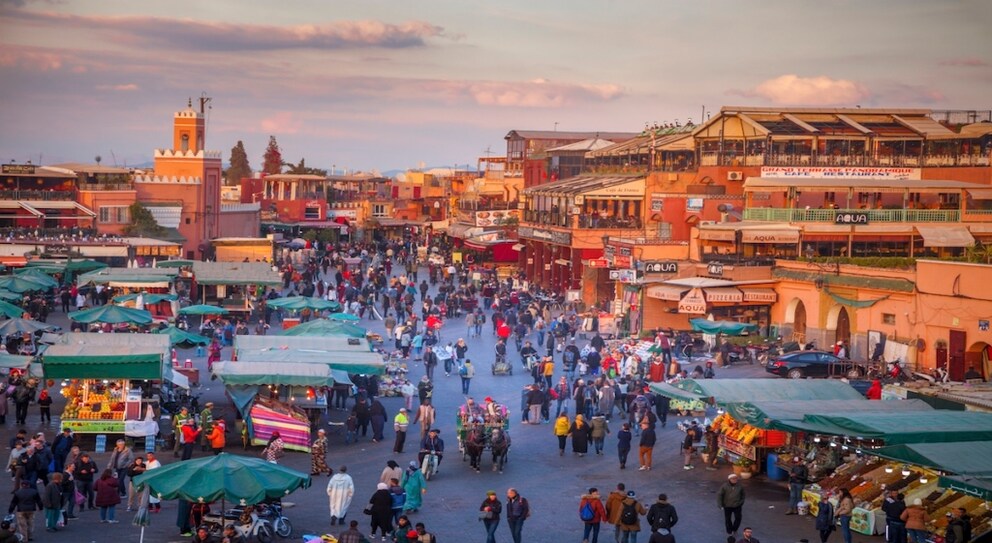
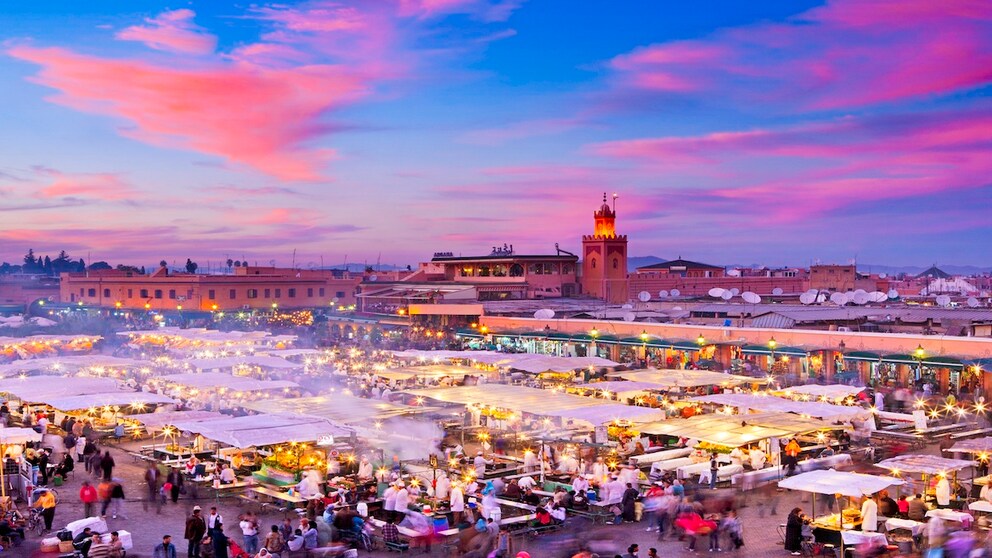
Few places in North Africa are as alluring as Marrakesh. The myth of Morocco’s unofficial capital is kept alive by numerous clichés. Locals are aware of travelers’ expectations, and since many rely on tourism, they do their best to meet foreign expectations. This creates a sense that much here isn’t genuine. Marrakesh often feels like a grand performance, especially in the center. What Alexanderplatz is to Berlin, Djemaa el Fna is here. It can only be observed calmly from one of the surrounding rooftop terraces. In short, Marrakesh is a lot—very much! You should see the city, but not for more than one or two days! To balance the sensory overload, choosing a quiet riad—a hotel in a typical local townhouse—is crucial. Be cautious: In many riads, you share showers and toilets with others, which can be stressful.
Our tip: There are countless cities better suited for a longer stay than Marrakesh, such as Essaouira, Chefchaouen, or the fishing village of Taghazout. Another option could be to combine one or two nights in Marrakesh with a night in the desert.
Also interesting: Tips for a trip along Morocco’s Atlantic coast
4. Avoid food poisoning
BILD Reisen: Discover the best hotels in Marrakesh now!
Admittedly, this is easier said than done. But there are some tips to help protect your stomach during a vacation in Morocco. Most people know not to drink tap water, but many forget that this also applies to brushing teeth or washing fruits and salads. Ice cubes should also be avoided. There are several tricks to protect your stomach, including avoiding street food. Instead, eat only in well-reviewed and popular restaurants. It’s always worth asking locals for their favorite spots. Be sure to try the Moroccan national dish, Tajine. Traditionally, it’s eaten together from a Tajine, using the right hand instead of a fork, as the left hand is considered unclean. Of course, everyone washes their hands collectively beforehand.
Our tip: Don’t forget to tip! Just like in the U.S., people here rely on tips. And just like in the U.S., the unwritten norm is a 10 percent tip.
Also interesting: What vaccinations do I need for a trip to Morocco?
5. Avoid Morocco during Ramadan
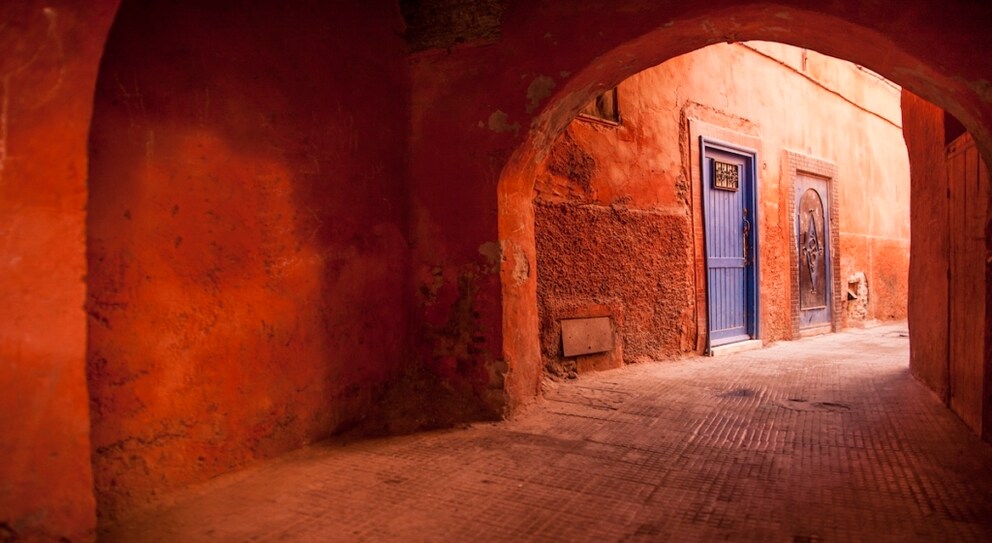
Unless you’re fasting yourself, Morocco is much more enjoyable on any other day of the year. During the fasting month of Ramadan, the country’s rhythm changes. Many only perform essential work during the day. Many shops and restaurants remain closed, and events are scarce. Before sunset, people hit the streets for last-minute shopping for the fast-breaking “Iftar,” which starts with a dried date and resembles breakfast. Moroccan soup “Harira” or Moroccan flatbread “Msemen” is often served, along with Moroccan mint tea “Atay.”
Our tip: If you’re traveling during Ramadan, remember that the entire country abstains from food and water all day. Smoking is also prohibited during fasting, so tourists should refrain from it in public. Don’t worry: In tourist areas, everything runs as usual. Only during the fast-breaking do many pause their work momentarily. This should be respected and considered.
Also interesting: Tangier: The best tips for Morocco’s “Gateway to Africa”
6. Avoid ATMs
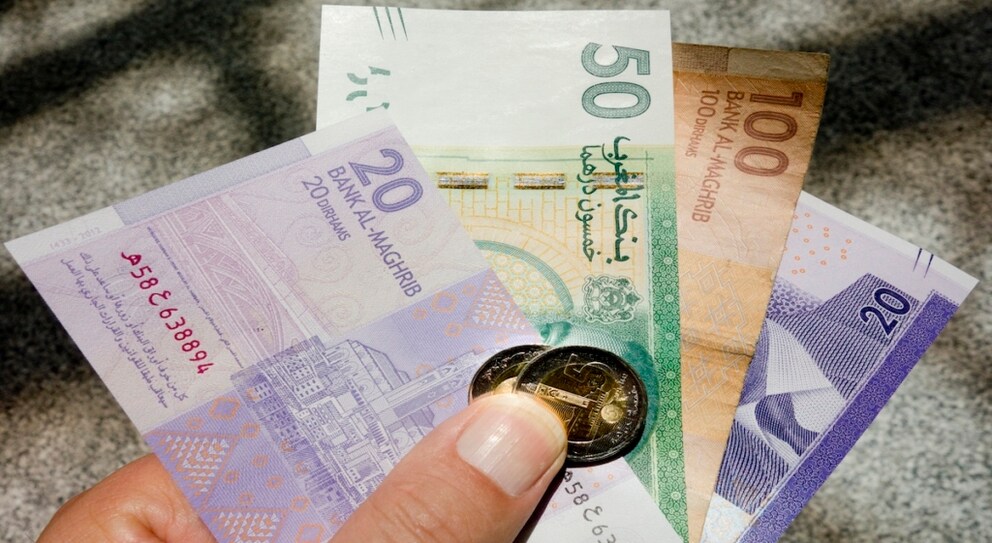
Morocco has its own currency and is not part of the EU, creating ideal conditions for high ATM fees. Each withdrawal costs between 5 and 10 euros. It’s best to withdraw cash in the U.S. before traveling. As a guideline, plan for daily expenses of 40 to 50 euros per person. You can easily exchange U.S. banknotes for Dirham locally. However, be sure to check and compare the current exchange rate online beforehand. Many restaurants, shops, and small hotels do not accept card payments, either because they lack card readers or because tips can only be paid in cash.
Our tip: The only bank that allows foreign cards to withdraw money without fees is “Al Barid Bank.”
Also interesting: 7 tips for Marrakesh—and 2 things to avoid
7. Avoid “camel riding”
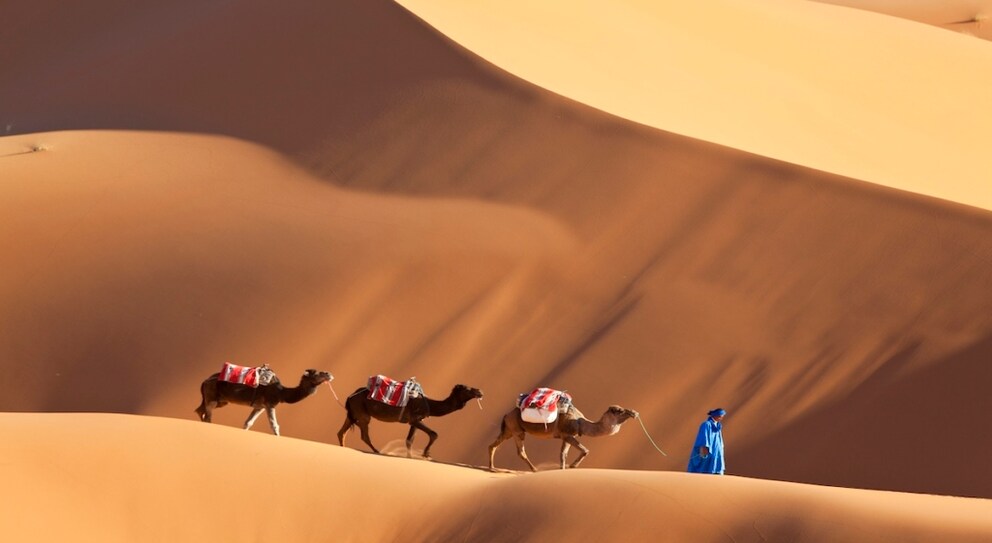
Morocco has dromedaries, not camels. Due to prevailing stereotypes, the animals are still marketed as camels everywhere. Unlike camels, dromedaries have only one hump. Deeply rooted in Moroccan culture and history, they now primarily serve tourist entertainment. Camel riding is considered animal cruelty and should be avoided. Fortunately, there are plenty of alternatives in Morocco.
Our tip: Instead, ride a quad over the dunes at the beach or through the desert!
Also interesting: Why a visit to Marrakesh is definitely worth it
What is taboo in Morocco?
To avoid negative attention in Morocco, there are several things to keep in mind. Avoid short clothing and showing too much skin—regardless of gender! You’ll find that long, airy clothing makes much more sense in the Moroccan climate. Most people here wear clothes that protect them from the sun while remaining breathable. When it comes to public displays of affection, there are things to consider. Homosexuality is illegal in Morocco. Public displays of affection, such as kissing, are frowned upon even among heterosexual couples.
Our tip: The best way to get to know a foreign country is to blend in with the locals. This is easiest when you don’t stand out. Try wearing long clothing in muted colors.