

February 11, 2026, 12:46 pm | Read time: 5 minutes
February 17 marks the start of the Chinese New Year. Not only in China, but also in many East and Southeast Asian countries, the New Year or Spring Festival is one of the most important holidays of the year.
Anyone traveling to Southeast Asia between mid-February and mid-March should plan ahead to avoid disruptions. This period is not only popular with Europeans: “Chunyun” is the approximately 40-day travel period around the New Year festival, considered the largest annual migration in the world. In China and many other Asian countries, travel volume increases massively. Millions of people are on the move—for family visits or annual vacations.
Our author spent this time last year in Taiwan, Singapore, Thailand, and Malaysia. Here are some tips to fully enjoy the Chinese New Year and make the most of your vacation.
Chinese New Year–What Travelers Should Know
Book Accommodations Early
During the Chinese New Year, one should not be too picky about accommodations. Prices in many places are double or triple the usual rates. Many hotels are booked months in advance. If you haven’t planned a fixed route and want to book spontaneously, use platforms with free cancellation options. This allows flexibility for changes. Having a reservation as a backup saves stress and prevents you from ending up without a room late at night or in a poor accommodation.
Since many people use the time around the Chinese New Year not only to visit family but also for annual vacations, tourist areas are particularly popular. In Malaysia, for example, it’s easier to find a hotel room in the mega-metropolis Kuala Lumpur than on the vacation island of Langkawi. The Thai islands are also bustling now. In Taiwan, where many people live in the Taipei metropolitan area, family outings to nature are very popular. If you’re seeking peace, choose less-known places or book early.
Allow More Time for Flights and Trains
In general, spontaneous travel planning is not advisable for Southeast Asia trips during the Chinese New Year, as trains, ferries, and flights can quickly sell out. Air and rail traffic face major challenges during this period, with crowded platforms and delayed departures not uncommon. Plan for more time, both for domestic travel and when traveling between East Asian countries.
Restaurants and Shops: Expect Closures
Don’t be disappointed if the small, family-run restaurant you wanted to visit is closed. Chinese-owned businesses often close for several days during the holidays. Company holidays are otherwise rare, but many take time for family during the Chinese New Year. But don’t worry: In countries like Malaysia, Thailand, or Singapore, this affects “only” Chinese businesses. Even in Chinatowns, some restaurants remain open, often with special Chinese New Year offers or menus.
Show Respect and Observe Local Customs
For many people, the New Year’s festival is one of the most important days of the year. Travelers should therefore be considerate. Behave respectfully in temples or at public ceremonies. If places remain closed or events are reserved for locals, accept it. This way, you experience the celebrations authentically and avoid unnecessary conflicts. And you’ll be rewarded with the opportunity to witness a very special time.
Highlights During the Festivities
Fireworks
What would the New Year be without fireworks? For those who love the colorful spectacle in the night sky: Many cities in Southeast Asia have fireworks during the festivities, such as in Chinese cultural centers or at temple sites. The spectacle is especially beautiful when viewed from rooftop bars or sky bars with a view over the city. If you’re sensitive to noise, it’s best to pack earplugs. Fireworks can last late into the night.
Lion Dances
Another highlight not to be missed during the Chinese New Year is the lion dances: This ceremonial Chinese dance theater is usually performed by two people under a colorful lion costume. The acrobatic shows are accompanied by percussive music. The performance always attracts many visitors and creates a festive atmosphere. During the holidays, traditional dances are performed in many places on public squares or in shopping centers.
Decorations and Red Lanterns
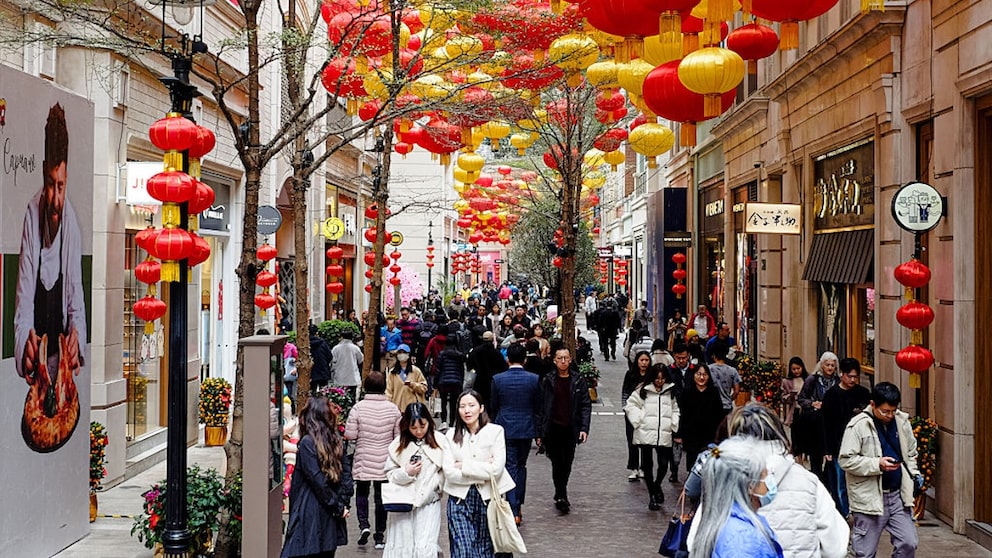
What makes the Chinese New Year a particularly special travel time in Southeast Asia is the festive decoration: During the New Year, cities decorate their streets elaborately. Temples, shopping malls, and squares glow in red, the color of luck. Lanterns, floral arrangements, and string lights create a festive atmosphere. Photography enthusiasts will find perfect subjects here.
Shop for Souvenirs and Special Editions
Many brands release limited special editions for the Chinese New Year. Perfume bottles, cosmetics, or accessories appear in the design of the respective zodiac sign. Additionally, there are lanterns, greeting cards, or traditional sweets like mooncakes. If you’re looking for a special souvenir, you’ll find it quickly during this time!