

January 6, 2026, 4:09 pm | Read time: 3 minutes
A seemingly harmless spider bite turned into a painful ordeal for a woman in Menorca—and it’s not an isolated case. A particularly dangerous species of spider is spreading across the Balearic Islands and other parts of Europe, with venom that can lead to amputations in extreme cases. A related species has also been documented in Germany for the first time.
A 60-year-old woman from the town of S’Arenal d’en Castell in Menorca reached for a sweater last September, according to a report by BILD—shortly afterward, a sharp pain shot through her arm. The area swelled, and she suffered intense pain for two days, unable to sleep. At the pharmacy, she received a cream with an antihistamine and an antibiotic. She was informed that several similar cases had already been reported—apparently caused by spider bites.
Misdiagnosis at the Health Center
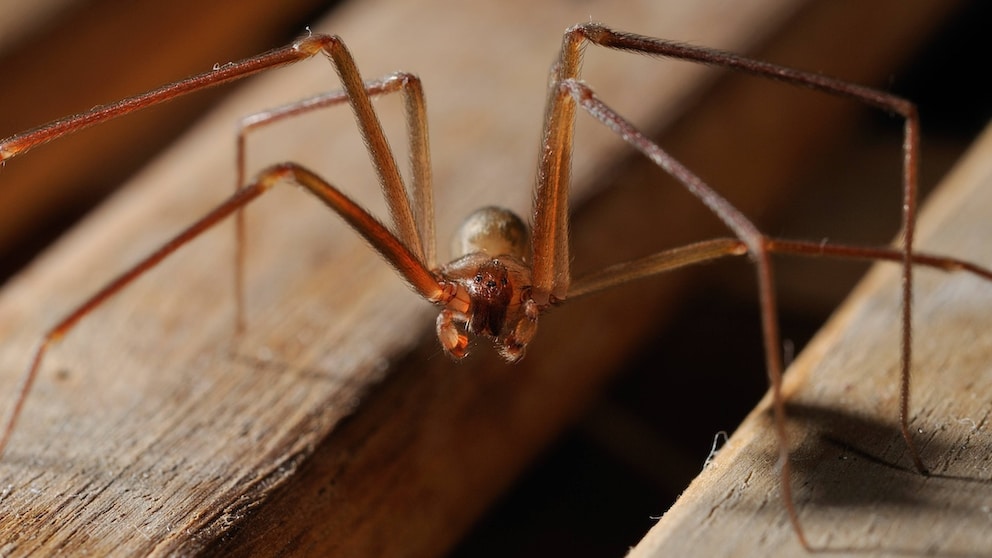
According to the report, the woman later visited a doctor and expressed her suspicion that she might have been bitten by a Brown Violin Spider (Loxosceles rufescens). However, the attending physician dismissed this: “That’s impossible, they don’t exist here.” A misjudgment—as this species is indeed widespread in the Balearic Islands.
Biologist Guillem Pons, who specializes in spiders, took up the case and criticized the inadequate training of many medical professionals. Many doctors are unaware of how dangerous a bite from this spider can be—and how crucial quick action is, Pons said. He strongly advises seeking medical help immediately if a bite from this species is suspected and explicitly mentioning the possibility of a Loxosceles bite. The “Mallorca Magazine” had previously reported on the incident.
The seriousness of a bite’s consequences is illustrated by a case from 2024 in Ibiza: A 32-year-old woman suffered severe tissue necrosis after a spider bite—the venom destroyed tissue and cells. Her leg was saved only through multiple surgeries, timely treatment, and skin grafts. Italian media even reported two deaths last summer linked to a Violin Spider bite. However, there was no direct evidence for this.
Spread in the Mediterranean Region—Related Species Discovered in Germany
The Violin Spider belongs to the genus Loxosceles, which is primarily found in regions with mild climates. The Mediterranean Recluse Spider has established itself throughout the Mediterranean region. Due to its distinctive markings, it is also called the Brown Violin Spider.
In the fall of 2025, a related species was clearly identified in Germany for the first time. A craftsman discovered and photographed a striking spider in the basement of the University of Tübingen. The image reached Hubert Höfer, a spider expert and head of biosciences at the Natural History Museum Karlsruhe.
The analysis revealed: The creature was neither Loxosceles rufescens nor the well-known Loxosceles reclusa, but the Chilean Recluse Spider (Loxosceles laeta). A total of 15 specimens have since been found beneath the university. They likely arrived in Germany unnoticed through goods transport. Experts believe the spiders had been living there for an extended period.