

July 14, 2026, 12:49 pm | Read time: 4 minutes
There are places no one visits voluntarily, only when it’s absolutely necessary–highway rest stops fall into this category for many. The ritual is familiar: signal, find a parking spot, take a deep breath, and hope the restroom looks better than expected. A new ADAC test shows: This hope is often dashed.
For the first time since 2022, the Allgemeine Deutsche Automobil-Club (ADAC) has again examined unmanaged highway rest stops. In March, testers checked 50 of these stops with sanitary facilities nationwide along major travel routes. In total, there are about 1,500 such rest stops in Germany.
The results are disheartening: Nearly every second rest stop received a “poor” rating. At the same time, the proportion of well-rated facilities has significantly decreased compared to the last test–from 40 to just 18 percent. None received a “very good” rating.
This negative trend is also reflected in drivers’ perceptions: Nearly half of those surveyed are dissatisfied with the conditions at Germany’s rest stops.
Toilet Cleanliness Especially Disappointing
Fifty rest stops along all major highways in Germany were examined: from the A1 to A9 and along the travel routes A14, A20, A44, A61, A81, and A93. Only unmanaged rest stops were investigated–those without a gas station or restaurant, offering only parking and restrooms.
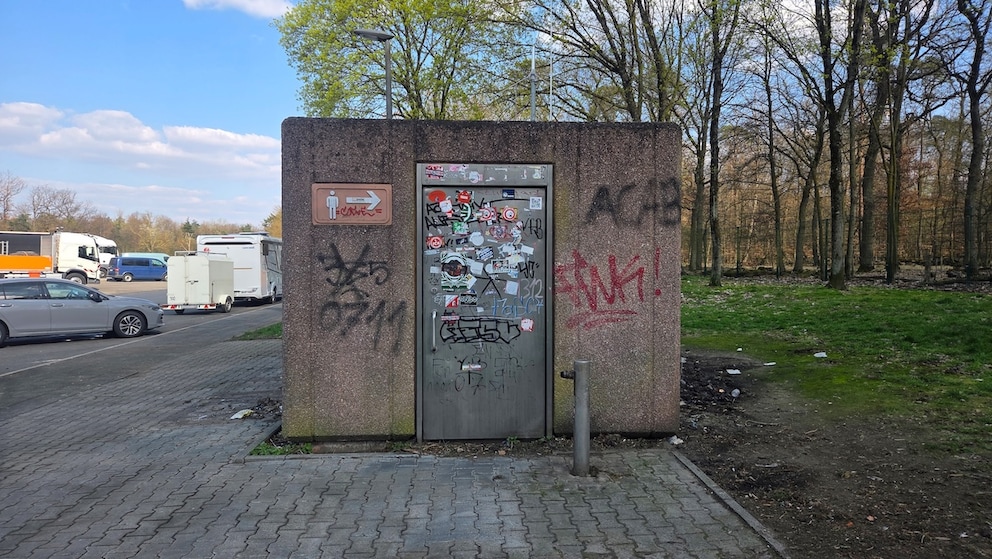
Although clean sanitary facilities are the most important criterion for most drivers, this is where the biggest deficiencies are found. Missing soap, empty toilet paper dispensers, or broken hand dryers are considered minor issues. Worse still: when toilets are unusable or even locked. These fail the test outright. Overall, 62 percent of the inspected sanitary facilities were rated “poor” or “very poor.”
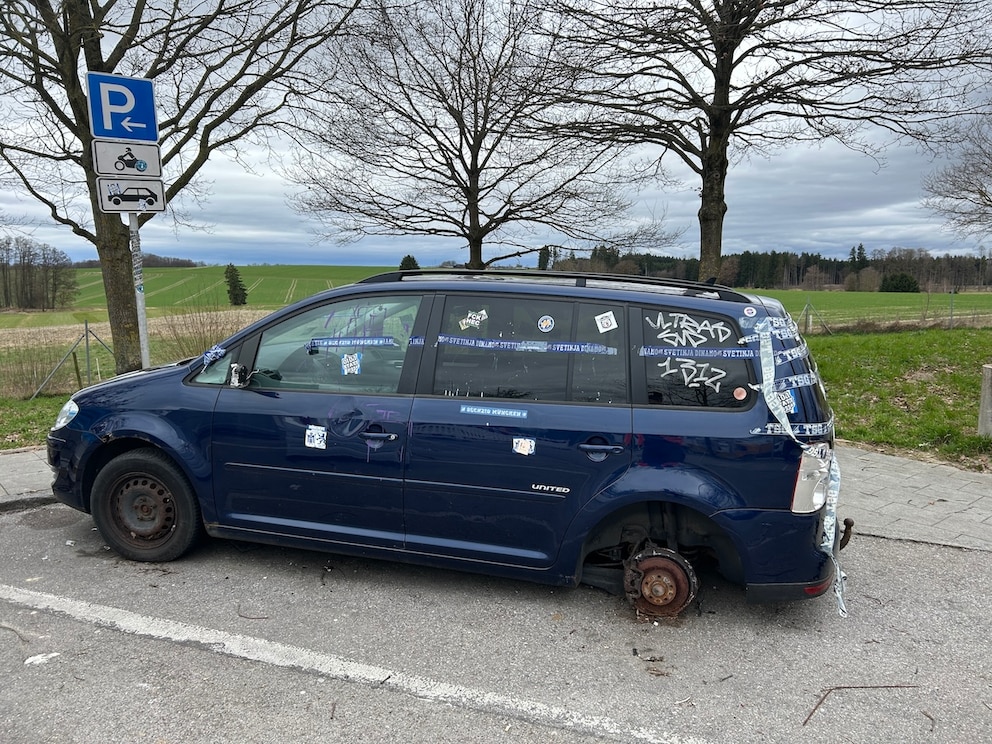
The most obvious aspect, parking, worked well at two-thirds of the rest stops. However, parking spaces for RVs were often lacking. A new problem was also noticeable: At eight locations, testers found abandoned junk vehicles, some without tires and heavily damaged.
Traces of vandalism were found by inspectors at nearly every rest stop. Graffiti, sticker-covered signs, or deliberately destroyed facilities are now a common sight in many places.
As a place for a short break, many rest stops are only somewhat convincing. While basic amenities are usually present, the quality of the stay is often lacking. Walking paths, play or exercise areas, and effective noise protection are often missing. Only two rest stops have a playground. One at least has a fenced dog area.
In terms of personal safety, the overall rating is only “sufficient.” On the positive side: At all tested rest stops, the sanitary facilities were lit at night, and there was cell phone reception. However, the lighting of parking areas was rated poor at more than half of the facilities. At least 40 of the 50 inspected rest stops have an emergency call station.
Responsibility Lies with Users–and Autobahn GmbH
Travelers making a quick stop don’t expect a luxury rest area. Clean toilets, a tidy environment, and a sense of security should be a given. Yet, many unmanaged rest stops still fall short in these areas.
Part of the problem also lies with the visitors themselves. Carelessly discarded trash or deliberate damage contributes to the deterioration of many facilities.
However, Autobahn GmbH of the federal government is responsible for cleaning, maintenance, and repairs. Depending on the region, highway maintenance depots or contracted service providers carry out the work.
Travelers encountering severe dirt, broken toilets, or vandalism can report it directly through the citizen service portal of Autobahn GmbH. The affected rest stop can be selected on a map–photos can also be uploaded.
The ADAC test clearly shows where the issues still lie. Hopefully, the results will lead to faster rectification of the deficiencies. Then, the obligatory rest stop might once again be just a break–and not a moment to take a deep breath before entering the restroom.