

December 12, 2025, 6:21 pm | Read time: 4 minutes
Whether strolling through Paris, visiting a café in Rome, or taking a weekend trip to Barcelona—in popular European cities, criminals seize every opportunity to steal from tourists. Particularly insidious: Many scams seem harmless or even helpful at first glance. But often, a brief moment of inattention is all it takes—and your wallet, phone, or ID is gone.
How a Couple Was Nearly Robbed on the Highway in Spain
Ignacio and Dominika set off by car from Poland to Spain: Over 2,500 kilometers passed without incident—until they reached Catalonia. Their story is reported by the Polish portal Onet (also part of Axel Springer).
“The car in front of us started signaling that something was wrong with our vehicle. It was a very chaotic situation, and we didn’t know if it was true, so we pulled over to the shoulder with them,” the couple reports on their social media channels.
At first, they thought it was a helpful gesture—but in reality, it was an attempted theft. “The police told us that this is a very typical method on the highway, especially on the AP-7 in Catalonia. If you’re driving with a non-Spanish license plate, you immediately become a target,” they emphasize.
Active in Big Cities Too: Pickpockets Rely on Classic Methods
It’s not just drivers who are affected—thieves are also very active in trains, buses, and at tourist attractions in cities like Barcelona, London, Paris, or Rome. Their methods are varied and designed to distract.
Pickpocketing in Crowds
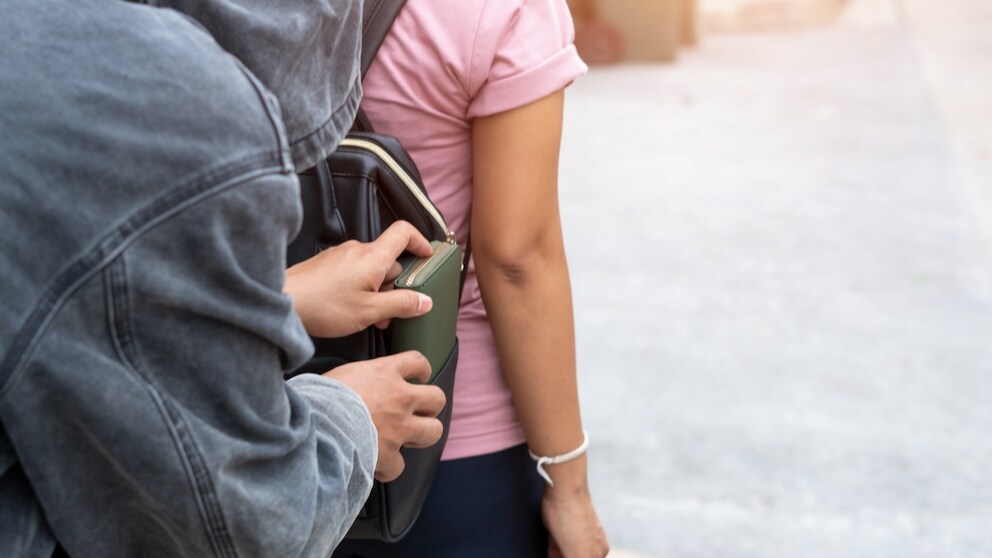
In crowded places like squares, subways, or popular sights, pickpockets watch their victims closely. They look for moments of inattention and strike quickly—often so skillfully that it goes unnoticed. What seems like a coincidence is usually a rehearsed trick. Especially in dense crowds, stay alert.
Protective measure: Carry your wallet and phone in inner pockets or under your clothing. Bags with hidden zippers and sturdy straps make access more difficult. Do not keep important documents together; instead, distribute them. After physical contact—such as a bump—immediately check your pockets.
The Trick of Seemingly Friendly Help
The so-called “friendly helper” is also a popular trick. Someone offers unsolicited assistance—wants to take a photo, give directions, or let you try something. It sounds harmless, but often a second person reaches for your bag.
Protective measure: Decline if strangers offer help without a clear reason. Always carry bags in front of you. Stay vigilant even in “harmless” situations—because that’s often when perpetrators strike.
Theft in Cafés or Restaurants
What seems like a harmless habit—placing your phone or wallet on the table—can end badly. The perpetrator distracts with small talk, sales offers, or an innocent question. A brochure might be placed over the phone, and then both the brochure and the phone are discreetly taken.
Protective measure: Best to put valuables in the inner pocket of your bag, place it on your lap, or secure it with a strap to the chair leg. Be especially cautious if someone wants to “show you something”—often, a distraction tactic is behind it.
Fake Taxis and Fraudulent Ride Services
At airports and in vacation areas, many unregistered drivers promise cheap rides. But often they later demand exorbitant prices, steal luggage, or drive the victim to another area. In some cases, they work with parking attendants.
Protective measure: Use only licensed providers—preferably book through official apps or the hotel. Agree on the price in advance and always keep an eye on your luggage.
Change and Banknote Fraud
Tourists are also a popular target at markets, small shops, or checkouts. Vendors exploit stress and haste to swap banknotes or take more from the wallet than allowed.
Protective measure: Always count your money yourself, do not let the vendor see into your wallet, and pay with small bills whenever possible—this minimizes the risk.