

January 6, 2024, 5:37 am | Read time: 4 minutes
Vacationing in the tropics–it conjures images of palm trees, white sandy beaches, and turquoise seas. Unfortunately, it also brings the risk of exotic diseases. To avoid these dangers, good preparation is advisable.
To travel safely in the tropics, one should prepare against the deadliest creature the planet has to offer: the mosquito! According to the World Malaria Report 2022 by the World Health Organization (WHO), approximately 247 million people worldwide contract malaria each year. About 620,000 of them die, with three-quarters being children under five.
While most victims are not travelers, mosquitoes do not discriminate. “In the event of an infection, rapid treatment is essential,” says Peter Kremsner, director of the Institute of Tropical Medicine, Travel Medicine, and Human Parasitology at the University Hospital Tübingen. This is especially true for the malaria tropica pathogen, Plasmodium falciparum. As Kremsner notes, “Untreated or treated too late, it is fatal.”
Take Preventive Medication
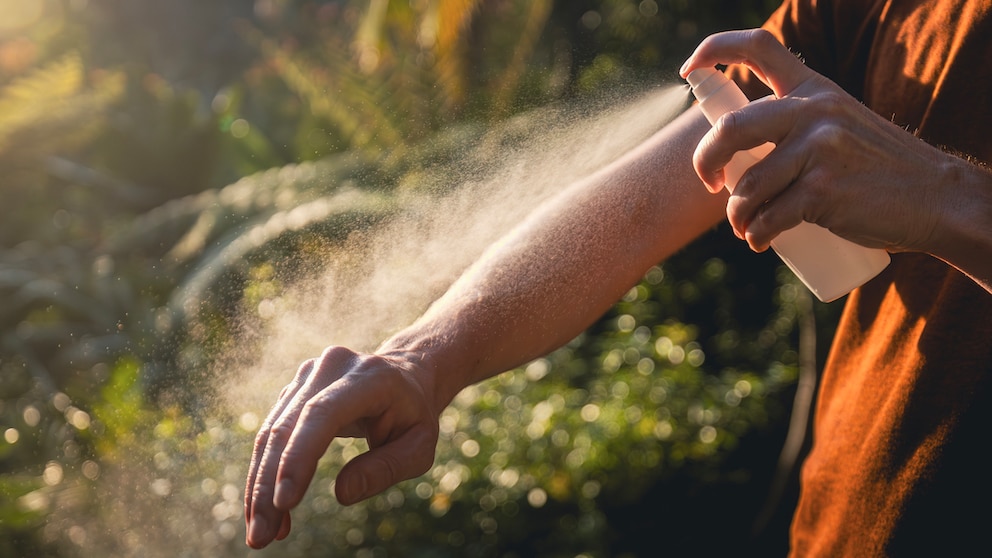
The most important protection while traveling is mosquito nets over the bed and a mosquito repellent that acts as a deterrent. This alone can significantly reduce the risk of disease. In malaria regions, chemoprophylaxis can also be crucial: Essentially, this means taking anti-malaria medication throughout the trip as if already infected.
“Consult a travel or tropical medicine specialist well before your trip to determine if chemoprophylaxis is recommended due to the frequent occurrence of malaria in your travel area,” advises Achim Hoerauf. Sometimes a standby medication for a specific infection case is sufficient. Achim Hoerauf is director of the Institute of Medical Microbiology, Immunology, and Parasitology at the University Hospital Bonn.
Also of interest: Mayotte–the little-known tropical paradise of the EU
It Depends on the Region
But where can one actually contract malaria? Many websites and guides provide only rough maps that usually depict entire countries. However, in Asia and South America, distinctions are important, as malaria often occurs only regionally.
“In tropical Africa, malaria is present everywhere,” says Kremsner. Indeed, according to WHO, just four African countries–Nigeria, Democratic Republic of Congo, Uganda, and Mozambique–account for nearly half of all malaria cases worldwide.
In Asia, it is mainly Papua New Guinea and India, while in South America, Venezuela, Brazil, and Colombia are affected. “Before traveling, be sure to consult one of the tropical medicine facilities available in cities like Berlin, Hamburg, Munich, Tübingen, and many others,” says Kremsner–and do so two months in advance, as malaria prophylaxis is often not enough.
Don’t Forget Classic Vaccinations
There are numerous other vaccinations, some of which are mandatory for entry into certain countries: from Japanese encephalitis and yellow fever to rabies, typhoid, or hepatitis. Since not everything can be done in a single appointment, some lead time is necessary.
“Amidst concerns about malaria and other exotic diseases, one should not forget the classic vaccinations that are also sensible in Europe,” advises Hoerauf. Tetanus, polio, and others are more common in the tropics as well. There are also ongoing developments: For example, there are now two approved vaccines against dengue fever in Germany.

Which Vaccinations and Preventive Measures Are Important Before Vacation

What Vaccinations Do I Need for a Trip to Bali?
No Barefoot Walking and Drinking from the Tap
Sometimes diseases lurk where you least expect them. Walking barefoot is not always without risk. “Worm larvae can penetrate healthy skin,” explains Hoerauf. The same applies to beaches.
Sometimes it’s simply the tap water that causes problems. If there are water bottles in the hotel bathroom, use them only for brushing your teeth. For the same reason, it’s advisable to avoid fresh salads and other raw foods in the tropics.
The principle “as long as it’s cooked or fried” is correct but not always sufficient. “At street stalls, it can be wise to bring your own bowl and fork,” says Hoerauf.
Lastly, he advises always carrying disinfectant and bandages to promptly address any injury–even minor skin abrasions.
Take Later Illnesses Seriously
As a rule, anyone who becomes ill after returning from the tropics should definitely mention their trip to the doctor or go directly to a tropical medicine institute. Incubation periods can be long, sometimes lasting weeks or months.
With material from dpa